


































Why do I need travel insurance for Canada?
Canada is generally a fairly safe destination, but that doesn't mean it's without risks. The country's vast, rugged wilderness tempts winter sports enthusiasts and intrepid outdoor adventurers, but a fall on the ski slopes or an encounter with a grizzly bear or moose could see you injured, and even in need of evacuation.
Heed local news reports and keep a close eye on weather warnings and alerts before your trip. Depending on where you’re travelling, natural disasters in Canada could include forest fires, floods and torrential rains, hurricanes, tornadoes, earthquakes, avalanches and landslides, ice storms and volcanic eruptions.
Canada doesn’t share a Reciprocal Health Care Agreement (RHCA) with Australia. This means that if you're injured or fall sick and are in need of medical assistance, you'll need to foot the bill, and these kinds of costs can add up very, very quickly.
Therefore, it’s important to ensure you have adequate travel insurance to cover any medical treatments you may require while on vacation. Travel insurance can also provide cover for cancellations, reimbursement for lost luggage and travel documents, and legal liability.
How to choose the right travel insurance for Canada?
The right travel insurance policy is the one that fits your holiday plans and budget, but your choice shouldn’t be based on price alone. Opting for the cheapest travel insurance might mean that your level of cover is inadequate for your vacation itinerary.
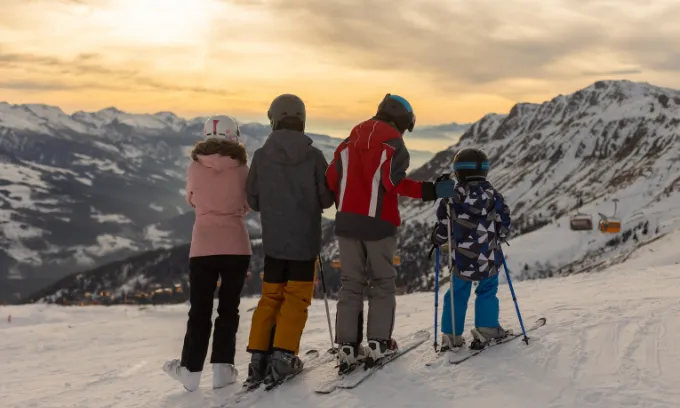
For example, if you’re travelling to Canada for a winter sports holiday, then you'll need to look into travel insurance for skiing and snowboarding, which can be purchased as an add-on to a standard travel insurance policy. While this will make your premiums more expensive, it can save a great deal of expense in the long run should you have an accident.
Comparing travel insurance with Canstar lets you search policies covering you for travel to Canada, and compare limits for overseas medical and hospital cover, cancellations and lost luggage. You can also see whether cover for snow sports is available as an optional extra.
What does travel insurance for Canada cover?
Most general travel insurance policies for Canada include cover for:
- Medical and dental treatment expenses: This includes admission to hospital, medical treatments, emergency dental work and evacuation/repatriation to Australia.
- Stolen or lost luggage and travel documents: Covers the cost of replacing personal possessions or travel documents such as passports that are lost or stolen overseas.
- Unforeseen cancellation or amendment of holiday plans: Life is unpredictable, and illnesses and bad weather can put holiday plans on hold, or cause major changes to itineraries. This can be expensive if you don’t have travel insurance coverage.
- Legal liability: Travel insurance can cover you for any accidental damage you cause to other people or their property while you’re on holiday, including related legal fees.
- Optional extras: Optional extra cover packages offered by travel insurance providers can include: snow and adventure sports, riding a motorbike or moped, rental vehicle excess, cover for individual high-value personal items, existing serious medical conditions, late-term pregnancy, pet kennelling and loss of income due to serious injury overseas.
- Repatriation: Should somebody lose their life while on holiday, repatriation cover will meet the costs of returning their body home. Some policies also include funds to cover funeral expenses.
What does travel insurance for Canada not cover?
General exclusions included in most travel insurance product disclosure statements (PDS) include:
- Failing to take due care: If you intentionally put yourself, your property, or others at risk through reckless behaviour, any resulting losses are unlikely to be covered under your insurance. This includes leaving your possessions unattended where they can be easily stolen.
- Acting unlawfully: An insurance company is unlikely to pay any claim for a loss or injury incurred while you were breaking the law.
- Riding a motorcycle or moped without a helmet or licence: Even if you take out additional insurance to cover yourself while riding a motorcycle or moped in Canada, the insurance will only be valid if you hold an Australian driver’s licence that permits you to ride a comparable bike at home. You must also wear a helmet.
- Being under the influence: Any claims for injury or loss caused directly or indirectly by you being under the influence of drugs or alcohol will be rejected.
- Pre-existing health conditions: Pre-existing, acute health conditions are usually not covered by regular travel insurance, although many insurance providers do offer optional cover for those with serious health issues. However, failing to disclose your pre-existing condition to your insurer at the time your policy was taken out automatically voids any cover for it.
How much does travel insurance cost for Canada?
According to policies on Canstar's database in September 2026, standard comprehensive travel insurance for a couple on a one-week trip to Canada, without any level of snow sports cover, costs approximately between $200-$400. Additional skiing and snowboarding cover ranges from approximately $327 for a basic snow package, up to around $658 for more comprehensive policies.
Prices and levels of cover vary depending on your choice of insurance provider and travel details. You can compare travel insurance with Canstar to find travel insurance that suits your requirements and budget.