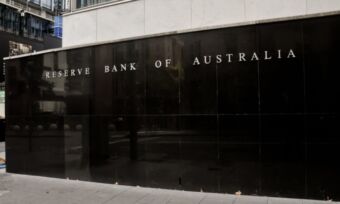


Interest rate forecast and predictions for 2026

 29 Sept 2026
What is happening with the cash rate?
Last year, variable rate borrowers were offered a measure of reprieve when the Reserve Bank of Australia (RBA) cut the cash rate three times. After that came a series of hikes at the start of 2026, a couple of holds in June and August, before a further hike in September which took rates to 4.60%, the highest since October 2011.
As a home loan borrower, you’d be forgiven for thinking that your rates are currently on a see-saw. So where to from here? Economists at the nation’s big four banks previously predicted that the hikes were behind us, but following recent comments from the RBA chief, there may be more yet to come.
Will Australians see rate cuts in 2026?
After four cash rate hikes already this year, the RBA has sent a clear signal about its low tolerance for inflation, leaving little room for any possibility of a cut until at least next year.
In the past, RBA chief Michele Bullock has spoken about taking a “narrow path” approach to taming inflation, a concept originally coined by her predecessor Philip Lowe. The “narrow path” refers to the tricky process of raising rates while avoiding job losses and preventing the economy from slowing down.
Speaking to a parliamentary committee on September 18, Ms Bullock said that she “retired” this thinking a while ago. She indicated she now feels a more hawkish approach is required to bring inflation back to the RBA’s target range, especially in the face of global pressures like the ongoing Middle East conflict and resulting oil price spikes.
“I think we still can have that goal, but the bottom line [is] that we need to get inflation back down because if we don’t, that is a worse outcome across the board,” she said, noting that feared “upside risks to inflation” have started to materialise.
What are the big four banks’ cash rate predictions?
Here’s what the major banks currently have to say about the RBA’s predicted movements throughout 2026 and into 2027:
- ANZ is currently predicting a follow up hike in November, bringing the cash rate to 4.85%. At this stage, ANZ economists predict we may see cuts again from November 2027.
- CommBank, Westpac and NAB for now expect no more rate hikes, with cuts potentially on the table from August 2027.
Where the RBA board formerly met on the first Tuesday of each month, excluding January, it now meets eight times a year, for two days at a time. This means that the RBA’s next cash rate announcement is due on Tuesday November 3 at 2.30pm.
Will interest rates rise again in 2026?
One of the RBA’s key mandates is to keep inflation in line in the economy, and has signalled it will not hesitate if it deems further tightening of monetary policy is necessary to bring prices back under control. In the most recent cash rate decision, the monetary policy board signalled it “will continue to do what it considers necessary to bring inflation sustainably back to target, including increasing the cash rate target further if needed”.
If there is another 25 bps hike in November, the cash rate would be 4.85%, which would be the highest since November 2008.
How can I compare home loans?
If you’re looking for a low fixed or variable rate for a new home loan or a refinance, you can compare home loans with Canstar to see if you can find a lender offering a deal that meets your needs and circumstances.
If you’re considering refinancing from a variable rate to a fixed one, it may also be worth considering the pros and cons of fixing your home loan, and considering the current interest rates on home loans to see how fixed and variable rate loans stack up.
You might also want to consider some of the home loan refinancing deals that might be available.

This article was reviewed by our Editor-in-Chief Nina Rinella before it was updated, as part of our fact-checking process.



 Owner occupied
20% min deposit
Redraw facility
Owner occupied
20% min deposit
Redraw facility
Try our Home Loans comparison tool to instantly compare Canstar expert rated options.