





























What is trailer insurance?
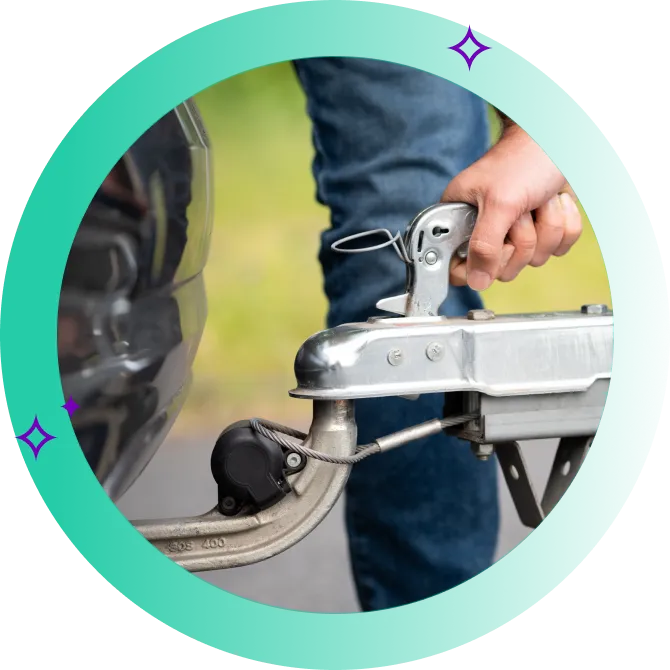
Trailer insurance is an insurance policy designed to cover your trailer if it’s damaged, stolen, or involved in an insured event. Trailer insurance is generally provided by car insurance companies and typically provides cover for work trailers, horse floats, and similar towed vehicles.
While trailer insurance isn’t a legal requirement in Australia, it can provide valuable peace of mind, especially if you regularly use a trailer for work, camping, or travelling.
What types of trailer insurance are available?
Like car insurance policies, there are several types of trailer insurance available:
- Third party property damage: Covers the cost of repairing or replacing other cars or property damaged by your trailer in an accident.
- Third party fire and theft: Covers the cost of repairing or replacing other cars or property damaged by your trailer in an accident, as well as damage to or loss of your trailer if it catches fire or is stolen.
- Comprehensive: Covers the cost of repairing or replacing your trailer if it’s damaged in an accident or fire or if it’s stolen, as well as the cost of repairing or replacing other vehicles and property damaged by your trailer.
What does trailer insurance cover?
Depending on the type of policy you choose, your trailer insurance may cover the cost of damage to other vehicles and property, as well as repair or replacement costs for damage to or loss of your own trailer after a fire, theft, or accident.
Trailer insurance may also include cover for the likes of:
- Trailer contents: Lets you repair or replace what you were carrying in your trailer (such as tools or camping equipment) if it’s damaged or lost in an insured event.
- Towing and transportation costs: Covers the cost of getting your trailer to a repairer and getting yourself and your cargo to a safe place following an accident.
- Food spoilage: If your trailer was carrying perishable foodstuffs that could no longer be safely stored following an accident, the insurer may compensate you accordingly.
- Storage: Covers the costs involved if your trailer or its contents need to be kept at a safe location overnight or longer while repairs and other arrangements are made.
What isn’t covered by trailer insurance?
Similar to car insurance policies, trailer insurance policies have exceptions and exclusions that vary between insurers. Common exclusions include wear and tear, mechanical or electrical breakdowns, and damage to tyres.
You also may not be covered if you were driving or using your trailer irresponsibly, such as by driving under the influence, overloading your trailer, making unauthorised trailer modifications, or using the trailer for purposes that aren’t covered by your policy (like using your trailer for business purposes without telling your insurer).
What affects the cost of trailer insurance?
Several factors can impact your trailer insurance premiums, including:
- The value of your trailer
- The type of trailer you want to insure
- Where and how your trailer is stored
- Your claims history
- The level of cover you want
- Any optional extras
Comparing quotes can help you find the right level of cover that suits your budget and your insurance needs.
Does trailer insurance differ by state?
Trailer insurance is generally optional Australia-wide, with most trailers not requiring separate CTP insurance. However, trailers used on public roads typically need to be registered. Registration and towing requirements can vary between states and territories, so it’s important to check what’s required where you live or where you’re travelling to.
Trailer insurance in Queensland
Trailer insurance is optional in Queensland but can provide protection (and potentially save you money in the long run) if your trailer is damaged or stolen. All trailers used on Queensland roads must be registered.
Trailer insurance in New South Wales (NSW)
Trailer insurance isn't mandatory in NSW, although owners can choose to insure their trailer against theft, accidental damage, or other insured events. Registration requirements may apply depending on the type of trailer, so check with the state transport authority.
Trailer insurance in the Australian Capital Territory (ACT)
Trailer owners in the ACT aren't required to have trailer insurance, although optional cover may provide valuable financial protection if your trailer is damaged, stolen, or causes damage to someone else's property. Registration is required for trailers used on public roads.
Trailer insurance in Victoria
Victorian trailer owners are also not required to take out trailer insurance, but optional cover can help protect against repair or replacement costs following an insured event. Registration requirements vary depending on the type of trailer you own, so check before towing.
Trailer insurance in South Australia
Trailer insurance isn't mandatory in South Australia, but optional cover may protect your trailer against theft, damage, and other insured events. Registration requirements vary depending on the trailer's type and specifications.
Trailer insurance in Tasmania
Trailer insurance is also optional in Tasmania, but can help cover the cost of repairing or replacing your trailer after certain insured events, such as an accident, theft, or fire. Most trailers used on public roads must also be registered, so check the applicable requirements before towing.
Trailer insurance in Western Australia
Trailer insurance is optional in Western Australia. Depending on the policy, cover may help protect your trailer against accidental damage, theft, and a range of other insured events. Most trailers used on public roads must be registered, although the requirements may differ depending on the trailer's type and where you live.
Trailer insurance in the Northern Territory
Trailer insurance is also optional in the Northern Territory. Depending on the policy you choose, cover may help protect against accidental damage, theft, fire and other insured events. Check the Northern Territory's registration requirements before using your trailer on public roads.
How to compare trailer insurance
Not all trailer insurance policies offer the same level of cover or optional extras, so it’s good practice to compare carefully before choosing which insurer to go with.
If you’re thinking of taking out trailer insurance, consider the following when weighing up your options:
The type of cover you need
Think about how much cover you actually need. If a lower level of cover, such as third party property damage insurance, may be enough for how you intend to use your trailer, you might not need to go all-in on comprehensive cover.
What are you covered for?
Check which insured events are included under the policy you’re reviewing. Some may cover theft, accidental damage, fire and storm damage, while others may offer more limited protection, sometimes for the same cost.
What’s not covered in the policy?
Review the policy's exclusions to understand when a claim may not be paid. Common exclusions can include wear and tear, mechanical breakdowns, and damage occurring from DIY or unauthorised modifications.
What are the cover limits?
Take a look at the maximum amount the insurer will pay out for your trailer. If you're carrying or storing tools, equipment, or other valuable items within your trailer, check whether contents cover is available and what limits apply.
How much is the excess?
The excess is the amount you'll need to pay when making a claim, in addition to your premium. Choosing a higher excess can reduce your premium, but may increase your out-of-pocket costs if you ever need to make a claim.
Consider what you’re using your trailer for
If you use your trailer for work, transporting equipment, or commercial purposes, check that the policy is suitable for your circumstances, as some policies have restrictions around how your trailer is used.
Does it offer value based on your needs?
While price is an important consideration when taking out an insurance product, the cheapest policy might not give you the cover you need. Comparing premiums alongside features, benefits and exclusions that suit your needs can help you decide if you’re getting value for money.