






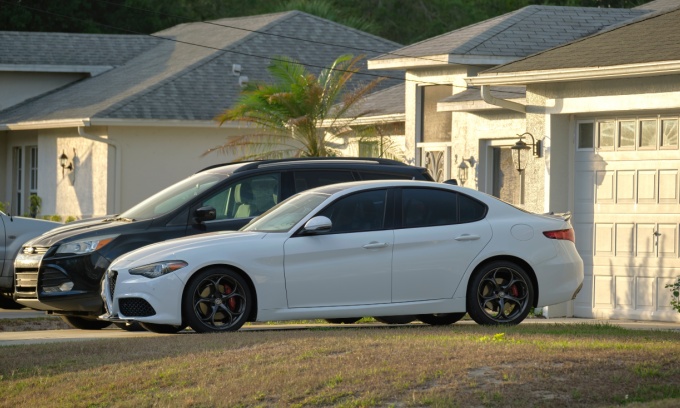
What is a multi-vehicle car insurance policy?
Multi-vehicle or multi-car insurance policies insure two or more vehicles under the one policy. But a single policy doesn’t mean a one-size-fits-all approach; each car is typically assessed separately, based on factors like make and model, primary driver, the level of cover, and your policy’s excess.
As there’s only one policy, there’s also only one premium to pay. This can reduce paperwork and time spent keeping track of car insurance policies. It may also be cheaper than taking out separate policies for each vehicle, but that’s not always the case.
The challenge, though, is finding a multi-vehicle car insurance policy. Few providers offer these bundled policies. You might have to shop around to find one, and take the time to ensure you’re still getting a deal that suits your needs and budget.
Who is eligible for a multi-vehicle car insurance policy?
Generally speaking, anyone who lives in a household with more than one vehicle can apply for a multi-vehicle car insurance policy, even if all vehicles belong to different people. In most cases, the owners of the cars only need to live at the same address to qualify.
You may be interested in applying for a multi-vehicle car insurance policy if you fit into any of the following scenarios:
- A single person with more than one vehicle.
- A couple that owns more than one vehicle between them.
- Friends, siblings, and relatives who live together and have more than one vehicle between them.
- Families with adult children who own their own vehicles.
Eligibility requirements will vary depending on your circumstances and the provider you choose, so it’s important to read a policy’s Product Disclosure Statement (PDS) or check with the provider directly. When searching for a multi-vehicle policy, it could be worth asking a provider if it offers one, even if it doesn’t mention such a policy on its website.
If your business or company owns a number of vehicles, there may be other options that better suit your needs, like business or commercial car insurance. Some of these policies can cover a business’ entire fleet of vehicles.
What are the pros and cons of multi-vehicle car insurance policies?
Pros
- May be more convenient when it comes to paying your premium, keeping on top of your renewal date, or contacting your insurer
- Your premiums may be cheaper than if you were to take out two or more separate policies
Cons
- Each vehicle listed on the policy will likely be treated separately, so if one driver is struggling to find affordable insurance options, they might face the same challenges with a multi-vehicle policy.
- Splitting a joint premium can get messy if your household maintains separate finances. If that’s the case, you might want to ask your preferred provider if it will provide an itemised breakdown of a policy’s cost.
- If you need to remove vehicles from the policy, it could affect any deal or discount being offered.
How many cars can you add to a multi-car policy?
This will ultimately depend on the provider, so it’s best to check to see what their terms and conditions allow for.
What other car insurance discounts are available?
There are other ways you may be able to get a discount on your car insurance:
- Online discounts: A number of providers on Canstar’s database offer a discount if you buy your policy online rather than in person, usually by reducing your first year’s premium.
- Named Driver discounts: Some providers offer a discount if you name each of the drivers of your car on the policy, though listing young or inexperienced drivers may lead to higher premiums.
- Multi-policy discounts: You might get a discount by taking out two or more policies with the same provider, like car insurance and home insurance. But it’s important to check if you’d get a better deal with separate policies from different providers.
- No claims or safe driver discounts: A provider may give you a discount if you don’t claim on your insurance for a period of time. The discount typically increases each year you don’t make a claim (up to a certain limit).
- Lower premiums for securing your vehicle: Do you park your car in a secure garage? You might be eligible for cheaper premiums, as the risk your vehicle is stolen or damaged could be lower than if it were parked on the street.
- Discounted policies for driving less: A driver who doesn’t drive very far or often may be eligible for reduced premiums through a low kilometre or ‘pay as you drive’ policy.
Getting multiple car insurance quotes and comparing your options regularly can help you get a better deal, or even give you leverage with your existing provider. You can compare comprehensive car insurance using Canstar’s comparison tables.