































Why take out travel insurance for Japan?
Japan may be relatively safe thanks to its low crime rate, but it’s still prone to a variety of natural disasters like earthquakes, typhoons, snow storms and tsunamis. Events like these can cause major disruptions to your plans, and if your trip is delayed or cancelled outright because of one, travel insurance may be able to help with the costs.
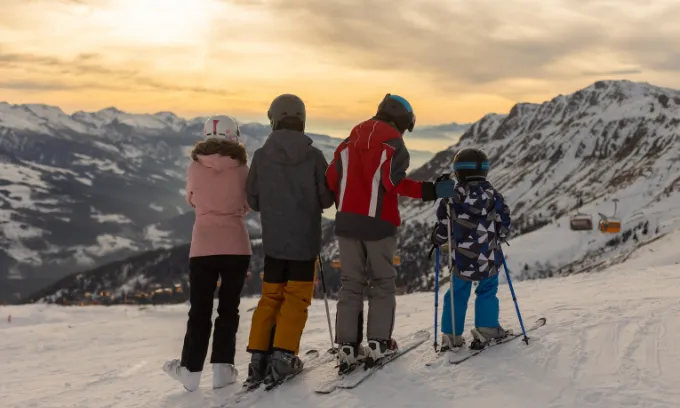
Due to its wintry climate, Japan is also a popular spot for those partial to winter activities like skiing and snowboarding. While these sports can be exhilarating, they're also risky. If the worst happens and you're seriously injured, emergency medical facilities in Japan are of a high standard, but can also come at a high cost, leaving you significantly out of pocket if you don't have insurance.
How to choose the right travel insurance for Japan?
Since your idea of a great holiday is likely different from someone else’s, there’s no one-size-fits-all travel insurance policy. The right one for you will depend on your particular needs and what you plan to do on your trip.
For example, when comparing travel insurance with Canstar, you can search for policies with live estimated pricing that cover you for travel to Japan, and see the limits each policy provides for overseas medical and hospital cover, as well as for cancellations, lost or stolen luggage, or rental car excesses.
You can also filter your results to show policies that cover a range of options that may be applicable to your trip. For example, if you plan on skiing or snowboarding, cover for these activities may not be standard and may need to be added on. If you have pre-existing medical conditions you wish to be covered, you can also filter for providers that allow for a medical assessment.
Do I need travel insurance for Japan?
Travel insurance isn’t a requirement for entry into Japan, but it’s highly recommended you take out a policy. The Australian Government's Smartraveller cautions that if you can’t afford travel insurance, you shouldn’t travel.
Travel insurance can cover you for a variety of things, like emergency medical treatment and evacuation, stolen or lost luggage, and trip delays and cancellations. It can also offer you peace of mind that if the worst happens on your trip, you’ll be financially covered to some degree.
What does travel insurance for Japan cover?
- Medical and dental emergencies: Hospital admissions, emergency care, ambulance transport and medical evacuations.
- Lost or stolen luggage: Compensation for lost or stolen luggage and travel documents like passports, depending on the circumstances and the limits and sub-limits of the policy.
- Unexpected trip cancellation: Cancellations may be covered due to illness, accident, or a natural disaster at home or at your intended destination. Depending on your policy, you may also be covered for travel delays.
- Legal liability: If you break a local law and need a lawyer or interpreter (e.g., if you injure someone or are held accountable for damaged property).
- Optional extras: Some policies offer a variety of useful extras like cover for rental vehicle excesses, snow and other adventure sports, kennels and catteries for your pets at home, and even cover if you suffer a loss of income or a permanent disability while overseas.
- Repatriation: If tragedy strikes while you’re away, repatriation covers the cost of flying your body and belongings back home to Australia. Some policies also include a separate sum for funeral expenses.
What does travel insurance for Japan not cover?
Your travel insurance policy won’t cover everything that happens to you while travelling in Japan. There are a number of common exclusions, as well as things that could void your cover, such as:
- Riding without a helmet: If you plan to ride a bicycle, scooter, motorcycle, or go-kart while in Japan, your travel insurance will not cover you if you’re found to be riding without a helmet. This may also apply when skiing or snowboarding, so it’s important to check your policy’s Product Disclosure Statement (PDS) before doing so.
- Being under the influence: Travel insurance usually doesn't cover you for accidents, injuries, or losses that are directly or indirectly caused by your consumption of drugs or alcohol. For example, if you have a fall or lose your phone in a taxi after a night out, your claim will likely be knocked back if your insurer believes you were impaired by drinking.
- Pre-existing medical conditions: While pre-existing medical conditions can sometimes be covered as standard or at an additional cost, there may be situations in which you won’t be offered cover. An exclusion will also apply if you make a claim related to a pre-existing medical condition that wasn’t covered by your policy. It’s worth checking the terms and conditions of your policy to find out if your condition is covered.
- Failing to report stolen items or leaving them unattended: Leaving your possessions unattended will often void your cover. In the event your possessions are lost or stolen, you’ll need to report the loss to local authorities, generally within 24 hours, and then inform your insurance provider as soon as possible. Your policy will typically state the required timeframe in which you must make a report to the police and to your insurer.
- Travelling to dangerous locations: Travelling to restricted zones (for example, around the Fukushima Dai-ichi nuclear power plant) can also void your insurance.
Can you get skiing and snowboarding insurance for Japan?
Aussies flock to the countless world-class ski resorts Japan has to offer and while the thought of skiing and snowboarding in the beautiful Japanese snow is appealing, there are numerous cases of people being injured in snow sport-related accidents each ski season. That’s why having an insurance policy that covers snow sports can be important if you plan on hitting the slopes.
Generally, standard travel insurance policies don’t include cover for snow and winter sports. Cover for these activities is often an optional extra that can be added to the policy. This will likely increase the premium you’ll have to pay, but may be worth the peace of mind knowing you’re covered in the unfortunate case you suffer a serious injury.
Some policies may also have safety requirements, such as the wearing of a helmet or only skiing on marked slopes, for you to be covered. It’s important to read the terms and conditions of your policy to check these requirements. Failure to meet these safety requirements may result in claims being denied and/or your cover being voided.
What does travel insurance for Japan cost?
At the time of writing, the average cost of travel insurance premiums is $146 for a traveller aged 30, on a 14-day trip to Japan (based on a selection of international policies rated in Canstar's 2025 Travel Insurance Star Ratings & Awards, November 2025, calculated October 2026). Prices for policies will vary depending on the provider and level of cover and inclusions that you need. You can compare travel insurance with Canstar to find cover that suits your particular needs and budget.
What are some of the risks you could face in Japan?
Although the Government has the lowest level of travel warning on Japan, there are still a few risks you should watch out for when venturing to the land of the rising sun:
Natural disasters
Japan sees above average rates of natural disasters, particularly earthquakes and tsunamis. Common weather events can also include typhoons (most likely between July and September) and snow storms (particularly in northern regions like Hokkaido). Japan can also be affected by severe heat waves between July and September.
Japan's public broadcaster Nippon Hoso Kyokai (NHK) provides a free app that can keep you up to date with natural disasters and other emergency alerts. You can find out more information on the NHK WORLD-JAPAN website. Warnings are also published by the Japan Meteorological Agency (JMA) on its website.
Areas affected by nuclear radiation
The restricted areas near the Fukushima Dai-ichi nuclear power plant are classified as ‘Reconsider your need to travel’ by Smartraveller, which means it’s unlikely you’ll be covered by travel insurance if you venture there. It’s important to note that radiation levels in most parts of Japan, including Tokyo and Hiroshima, are within the normal range.
Theft and crime
While Japan has a low crime rate, petty theft can happen, especially at popular tourist attractions. The Australian Government recommends being vigilant when visiting bars and nightclubs as overcharging, credit card fraud, forced withdrawal of large amounts at ATMs, drink spiking, and assault can happen. If you or one of your travelling companions is the victim of a crime, call 110 for the police.
Sickness and injury
If you require hospitalisation while in Japan, this can be quite expensive if you don’t have travel insurance. You may also be asked to pay the full amount for your treatment upfront if you’re not covered by insurance. If you require emergency medical help, call 119 for the ambulance and fire department.
Here are a few other things to keep in mind when visiting Japan:
- Skiing and snowboarding on unmarked trails and runs can be dangerous and often excluded from insurance coverage. It’s best to stay within the boundaries of your chosen ski resort and on marked trails.
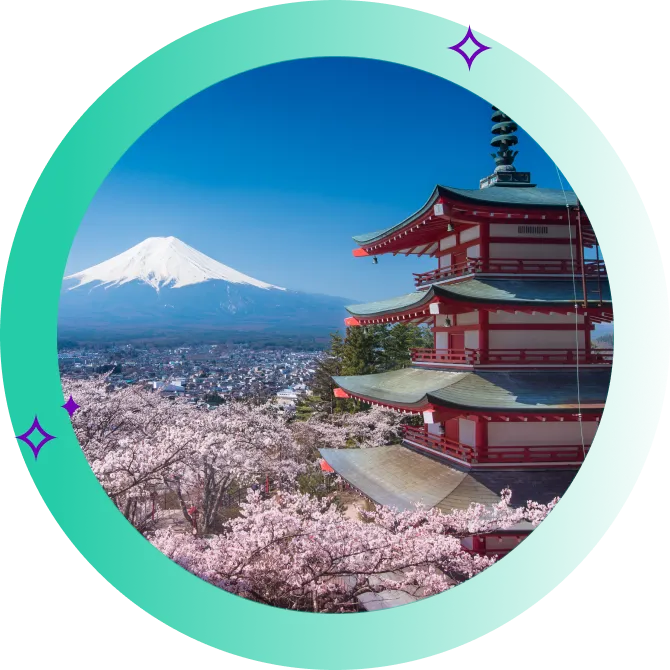
- Japanese Emergency Services warn against climbing Mount Fuji from September to June, as it can be very dangerous.
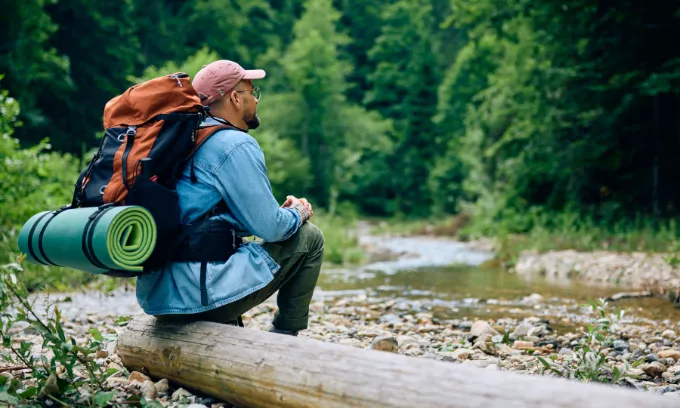
- If you’re hiking through rural parts of the country, you may encounter bears or insect-borne diseases like Japanese encephalitis.
- Cases of measles and rubella have been reported in recent years, so it’s worth asking your doctor about health risks and vaccines before visiting.