
What are the ongoing costs of owning a car?
Currently, the ongoing cost of car ownership for a typical two-car household is around $23,302.32 a year, according to the Australian Automobile Association (AAA), the country’s peak motoring body.
Here’s what that figure looks like broken down:
- Car insurance: $2,693.08
- Registration and licensing (may include CTP, depending on the state): $1,768.52
- Fuel: $5,265.52
- Servicing and maintenance: $1,834.56
- Car loan payments (if any): $11,219.52
- Roadside assistance: $130.52
- Tolls: $1,952
Source: AAA, Q1 2026. Accurate as of September 2026. AAA figures apply to the typical household with two mid-range, high-selling cars – a near-new car financed with a variable-rate car loan and an older car owned outright.
Keep in mind that the ongoing cost of owning a car can vary greatly; everyone’s situation is different, and there is no one-size-fits-all figure. The numbers above also don’t factor in these variables:
- Your car’s make and model
- Your car insurance policy’s excess
- Parking fees
- Depreciation.
Car insurance
According to Canstar Research, this is how much the average Aussie spends on comprehensive car insurance every year in each state:
State | Average annual comprehensive |
|---|---|
NSW | $2,792 |
QLD | $2,169 |
VIC | $3,293 |
SA | $2,145 |
WA | $2,208 |
TAS | $2,014 |
NT | $2,577 |
Source: Canstar. Based on comprehensive car insurance policies rated in Canstar's 2026 Car Insurance Star Ratings. Premiums include quotes for both new and used cars for a range of scenarios, with a state-specific target excess of $800 to $1,000.
Car insurance policies are not made equal; each type of car insurance provides different levels of cover, while some are optional or mandatory.
Compulsory third party (CTP) insurance
Compulsory third party (CTP) insurance is mandatory. It financially protects you if you injure or kill someone in a car accident. CTP insurance is included in your registration cost in many states and territories, with exceptions like NSW.
Optional car insurance
Higher levels of car insurance are entirely optional, but they provide financial cover for cars and property damaged or destroyed in a road accident. These are the three common types of optional car insurance (from least expensive to most):
- Third party property damage (TPPD): Covers you if you damage someone else's vehicles or property if you are at fault in an accident.
- Third party fire and theft (TPFT): Has the same cover as TPPD, plus cover for your car if it’s damaged by a fire or attempted theft, or stolen.
- Comprehensive: Offers the highest level of cover, including all of the above, plus repair or replacement costs if your vehicle is damaged in an accident, cover for damage caused by weather events like hail or floods, as well as acts of vandalism.
Some car insurance policies can also include roadside assistance as a standard or optional extra. If your policy doesn’t include roadside assistance, calling a tow truck can easily cost you hundreds of dollars.
Factors impacting the cost of car insurance
The cost of car insurance depends on these factors, which give you possible avenues to save:
- Your age: Younger drivers, especially under-25s, are often deemed higher-risk by insurers because of their perceived inexperience. Listing a driver under 25 in a policy will increase the premiums.
- Your mileage: A low kilometre or pay as you drive car insurance policy could be a cheaper option if you don’t clock that much distance on your car.
- Optional extras (if any): Extras such as roadside assistance and windscreen cover will add to the cost of your premiums.
- The make, model, and age of your vehicle: Newer, luxury cars with expensive parts may drive your premiums up. In comparison, older and cheaper cars that use common parts are typically cheaper to insure.
- Your claims history: The more claims you’ve submitted to your insurer, the higher your premiums will be. If you haven’t submitted a claim for a specified period of time, you may be eligible for a no claims discount.
- The excess you choose: A higher excess lowers your premiums, but you’ll have to pay more if you need to submit a claim, and vice versa.
- The policy and insurer you settle on: Because the car insurance market is competitive, insurers may offer cheaper premiums, deals, and offers to encourage new sign-ups.
One simple way to find out if you’re overpaying is by comparing car insurance through Canstar’s panel of insurers.
Registration and licence fees
To keep your wheels on the road, you’ll need to pay ongoing fees to register your car and maintain your driver’s licence.
According to the AAA, car owners can expect to pay around $1,768.52 a year (or $34.01 weekly) in registration and licence costs.
Registration costs will differ depending on:
- The state or territory you live in
- Your car’s type and specification (e.g. a motorcycle, sedan or EV)
- If you’re eligible for a registration concession
- If you’re including CTP insurance in your registration (depending on the state that you live in).
Some state transport authorities may offer the option to pay for your registration costs quarterly, half-yearly, or annually. Paying your registration as a yearly lump sum could save you hundreds of dollars in monthly surcharges.
Fuel
Fuel is an unavoidable cost to keep those wheels turning. According to the AAA, the average household spends around $5,265.52 every year ($101.26 weekly) on fuel.
But fuel prices can differ from suburb to suburb and brand to brand, so it may be wise to shop around and fill up when you spot a reasonable price.
Download a fuel monitoring app such as MotorMouth or Petrol Spy to monitor current petrol prices, and help you find the cheapest fuel. Some reward programs, such as Everyday Rewards, Flybuys, and Origin Energy, may also host running fuel discounts with specific fuel franchises, giving you more options to save.
If you’re driving an EV, you get the privilege of bypassing fuel altogether, but you’ll have to contend with the cost of electricity.
Some electricity plans, like EV-specific electricity plans or the Solar Sharer Offer (SSO), deliver free hours of electricity that could be used to charge an EV.
However, there’s no guarantee that this will save you money over a standard electricity plan with lower rates — it’s important to crunch the numbers before jumping headfirst into any plan.
Servicing and maintenance
Regular servicing is important to make sure your car stays in tip-top shape. Paying for servicing today can potentially help you avoid more expensive issues down the track.
The AAA puts the average price of servicing and tyres at $1,834.56 per year ($35.28 per week).
The general rule is that you should service your car every 10,000 kilometres or six months, whichever comes first.
Car servicing costs fluctuate depending on:
- Your car’s make and model
- What is required, including repairs
- The mechanic you choose.
It’s a good idea to have an emergency fund at hand to cover large out-of-pocket repairs.
There are some basic routine maintenance checks you can perform on your car, which could spare you a pricey trip to the mechanic. But you run the risk of damaging your car further if you simply lack the know-how or training.
Instead of avoiding a visit to the mechanic altogether, shop around for competitive quotes from reputable workshops online. As a rule of thumb, local mechanics will cost less than a dealership.
According to the ACCC, getting an independent mechanic to service your car won’t void your car’s warranty, provided certain conditions are met.
If you’re planning to buy a used car, consider paying for a pre-purchase inspection, which can reveal a car’s hidden issues; issues that may require costlier fixes if left unchecked.
Loan repayments
If you bought your car using a car loan, you’ll also have to make regular loan repayments until the loan is paid off.
The AAA cites loan repayments as the highest ongoing vehicle cost for the average Aussie household, equalling $11,219.52 a year ($215.76 a week).
These repayments typically include part of the car loan’s principal (the amount you borrowed) and an interest charge. Some car loans also charge fees you may need to budget for.
The cost of your car loan repayments will largely depend on:
- How much you borrow to buy the car.
- How long the loan term is, which is the time needed to pay the loan back.
- The interest rate.
- The fees charged (if any).
Not making your loan repayments on time will hurt your credit score. Your lender may also repossess your car if you’re on a secured loan, or take you to court to recover the outstanding amount.
One way to save is to compare car loan options, potentially refinancing to a loan product with a more competitive interest rate. One possible drawback to this is the fees you may have to pay to terminate the old loan and to set the new one up.
Buying a car outright could save you hundreds of dollars in interest and fees, as long as you have the cash in savings and a larger purchase is within your means and budget.
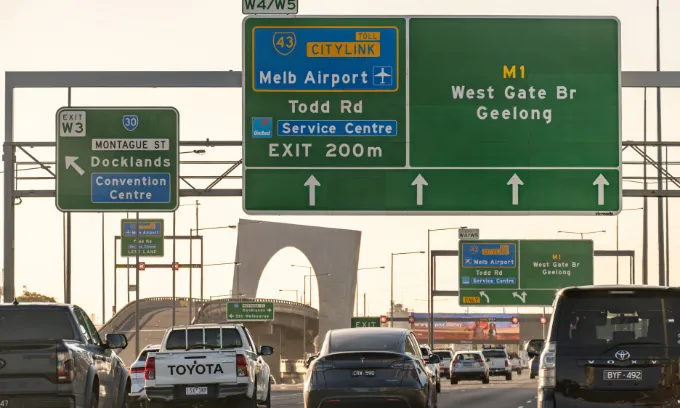
Tolls
Where do you regularly drive? In some cases, you may need to regularly travel on toll roads, which can take a bite out of your household budget.
The AAA estimates that households roughly pay $130.00 each year ($7.51 weekly) on toll road use.
Here’s a handy tip: there may be options available to reduce your spending on road tolls. For example, NSW residents may be able to claim toll rebates.
You can also toggle the ‘avoid toll roads’ option on your navigation app, such as Google Maps, to find toll-free roads to get to your destination. Keep in mind that toll-free roads may be more congested than tolled options — you may find yourself waiting longer in traffic.
Carparks
Parking your car is a necessary evil. If you find yourself frequently driving into your city, the cost of parking alone could burn a hole in your wallet.
According to Parkhound, a website helping carpark owners lease out their empty lots, drivers who park their cars in the CBD can expect to pay these prices:
City | Average On-street (Hourly/1P) | Average Off-street (Daily) |
|---|---|---|
Brisbane | $3.45 – $6.35 | $78 – $83 |
Sydney | $6.40 – $8.40 | $77 – $81 |
Melbourne | $4.00 – $7.00 | $60 – $75 |
Perth | $5.40 – $7.00 | $15 – $40 |
Adelaide | $3.00 – $5.50 | $15 – $35 |
Hobart | $2.20 – $5.60 | $14 – $20 |
Canberra | $2.00 – $5.00 | $14 – $35 |
Darwin | $1.80 – $3.20 | $5 – $12 |
Source: Parkhound, June 2026.
Parking for eight hours every weekday on-street can cost you up to $336 a week — that’s $17,472 a year.
Consider opting to travel into the city via public transport or parking off-street. If you travel mainly for work, some workplaces may offer free or discounted parking for employees.
As a long-term solution, you may consider leasing a carpark lot yearly. While the upfront cost isn’t pretty, it’s almost always cheaper than paying daily.
Depreciation
Unfortunately, cars are a depreciating asset, meaning they lose value as time passes. Even though depreciation isn’t an ‘actual’ running cost per se, it may affect the car’s resale value.
This could also affect the market value your insurer pays out if your car is to be written off in an accident. You can use this simple method to calculate the depreciation rate of your car:
- Find the current value of your car.
- Subtract your car’s current value from the car’s new value.
E.g. $50,000 (new value) - $30,000 (current value) = $20,000 (how much the car has depreciated by) - Divide how much your car has depreciated by the new value of your car.
E.g. $20,000 ÷ $50,000 = 0.4 - To get your car’s depreciation rate, multiply the figure in step 3 by 100.
E.g. 0.4 x 100 = 40%
But there are some exceptions to the rule. One such example is enthusiast cars. Because of how sought after they are, their value tends to trend upwards, rather than downwards.
Just keep your car’s depreciation in mind when you’re ready to part with it for a new set of wheels.