
What is a pre-purchase car inspection?
A pre-purchase car inspection involves a qualified mechanic evaluating a car’s condition before purchase, flagging any safety or performance issues. Think of it as a health check-up for a car: its health is looked at from different angles and the results are compiled in a report.
Pre-purchase car inspections are sometimes split into tiers, like basic, standard, or full inspections, with more comprehensive checks usually costing more.
How can I get a pre-purchase car inspection?
When buying from a dealership:
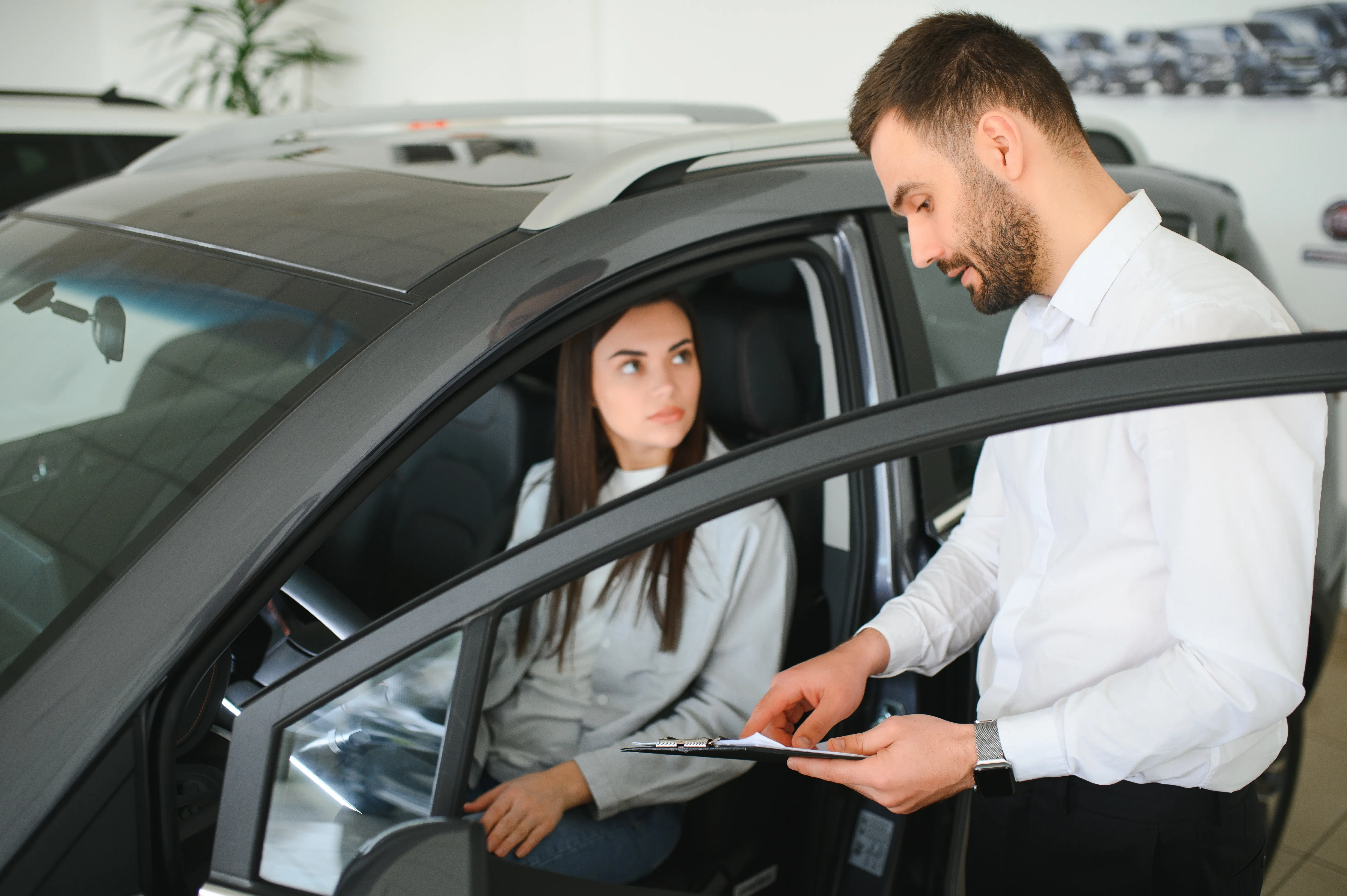
A car dealership may provide you with an inspection report before you buy. For example, Toyota says its used vehicles include a full history and comprehensive quality check.
Bear in mind: it’s important to ask what’s covered in your pre-purchase car inspection, especially if this was done at the dealership you’re buying the car from.
Under the Australian Consumer Law (ACL), dealers are required to be honest and truthful and are forbidden from making misleading or deceptive representations (statements or claims) about a vehicle.
When buying from a private seller:
If buying a second-hand car from a private seller, you may want to consider getting a pre-purchase car inspection.
Even if a car has a good service history and an up-to-date logbook, there may be hidden issues, like worn brake pads, that need quick fixing or replacing. A pre-purchase inspection helps highlight such problems in advance.
Pre-purchase car inspections are typically an independent service. If you are buying a used car from a private seller, you may want to get an inspection done through:
- National mobile inspection services, like RedBook Inspect
- Automotive clubs
- Major mechanic networks (e.g. Ultra Tune).
What should be included in a pre-purchase inspection?
Once a pre-purchase car inspection is booked in, an inspector will come at a pre-arranged time to inspect the used car you’re interested in, helping you avoid any nasty surprises after you drive it home.
According to ASAP Roadworthys, an agency that conducts pre-purchase inspections, you can expect these components to be looked over:
- Tyres and wheels
- Engine
- Gears
- Steering and suspension
- Dashboard
- Brakes
- Transmission
- The interior and exterior of the vehicle
- Electrical components
- Heating, ventilation, and air conditioning (HVAC)
- Undercarriage
- Exhaust
Modern cars, especially models with Advanced Driver Assistance Systems (ADAS), may require a computer diagnostic test to ensure they’re running smoothly.
Once the inspection concludes, you’re usually provided with a report summarising the car’s condition, with photos and (possibly) the road test results.
If you are unsure what components will be covered in your pre-purchase inspection, check ahead of time, making sure nothing important is missed.
How much does a pre-purchase car inspection cost?
AutoGuru says a pre-purchase inspection can roughly cost between $130 and $300, while MyCar prices start at $249.
NRMA members can get an inspection of a standard car from $284 ($294 for non-members) at the time of writing.
Pre-purchase car inspection prices will also depend on whether it is a mobile service or conducted at the workshop. You may need to pay extra for the mechanic’s time if they’re travelling to and from where the car is.
Based on your requirements, a mechanic may also recommend the car be moved to a workshop for closer inspection (using a hoist if necessary). This may take place at your mechanic’s workshop or at a dealership.
It’s worthwhile discussing the price and a preferred approach with your mechanic before the inspection, ensuring they thoroughly check the car and provide you with relevant professional advice.
Once you’ve paid for your used car, you are fully responsible for it. Before driving away, it’s a good idea to arrange some level of car insurance cover.
Where can I go for a pre-purchase car inspection?
Most mechanics, car dealerships, and all the major state and territory motoring organisations will offer some sort of pre-purchase car inspection service.
Some will offer you the choice of a mobile service, where they travel to the used car, or a fixed repair shop that you take the car to. A mobile service is quick and convenient, but taking it to a mechanic may mean the car is inspected using more specialised on-site equipment.
If the car you want to buy is a collectible, you may want to find an expert on that particular make and model of car to conduct the inspection.
Why should I consider getting a pre-purchase car inspection?
Buying a second-hand car can be fraught with unknowns, especially if you're buying it sight unseen (e.g. buying interstate). Even if you’re buying a car in person, a car’s underlying problems are not immediately apparent just by looking at it.
Unless you’re a qualified car mechanic, there may be things you miss. While a car may look good to you, there could be major issues hiding beneath the bonnet.
CarsGuide says getting a pre-purchase car inspection is an absolute must, as it helps you make an informed decision before handing over payment.
You never know a vehicle’s history with a previous owner. It could have been in an accident, undergone dodgy repairs, or just not been serviced regularly for wear and tear.
Depending on the final report, a pre-purchase car inspection could give you more negotiating power to ask for a lower price or for necessary repairs before shaking hands on the deal.
What is a vehicle history check?
A vehicle history check informs you if the car you’re planning to buy:
- Is free from any financial interests (e.g. whether it is listed as security for debt owing on a car loan)
- Isn't stolen
- Has never been written off.
Checking the VIN (vehicle identification number), the engine number (located on the engine), and the car’s registration number can all be important, including comparing these against its registration papers.
Doing a PPSR (Personal Property Securities Register) check costs $2 and will show if the car you’re thinking of buying has any outstanding debts or other risks attached.