


What is a SMSF Electronic Service Address (ESA)?
 15 Aug 2023
If you want your employer to make super contributions to your self-managed super fund (SMSF) then it will need to know your fund’s Electronic Service Address (ESA). So what is an ESA and how is it used?
What is an Electronic Service Address (ESA)?
An Electronic service Address (ESA) is part of the details your employer needs to make sure any super contributions made to you go to your nominated self-managed super fund (SMSF).
When you start a new job with an employer you’ll be asked to complete a Superannuation standard choice form. This tells your employer where you want it to pay any statutory super guarantee contributions.
You can nominate an existing super fund – perhaps your stapled super account – or opt to join your employer’s default super fund. Either way, the details your employer needs are pretty straightforward: your existing super provider can help with the details you need in the first case, and your employer will complete most of the details in the second case.
If you want to nominate your self-managed super fund (SMSF) then you need to provide details of your fund. This includes your SMSF’s name, the fund’s Australian business number (ABN), your full name and the relevant banking details.
You will also need to provide your fund’s Electronic Service Address (ESA) to allow any communication of information with your SMSF.
Technically an ESA is a type of web address but will usually be given to you as an alias in the form of an alphanumeric code, made up of letters and possibly numbers. The ESA is case sensitive, so make sure you use the correct upper and lower case characters when you include it on any form.
Your ESA is not unique to you or your fund – the same ESA could be used by other SMSFs – but it’s used by your employer as part of the SuperSteam process, the way businesses pay employee super guarantee contributions to their super funds.
Mark Phillips, a senior financial adviser with InterPrac Securities, told Canstar that there are a limited number of ESAs, which have been set up by various providers to operate within the SuperStream environment. The ATO has a list of ESA providers.
“Each (SMSF) fund registers with an ESA provider, which is also recorded in their tax office record,“ he said. “The ESA works in conjunction with the fund’s ABN.”
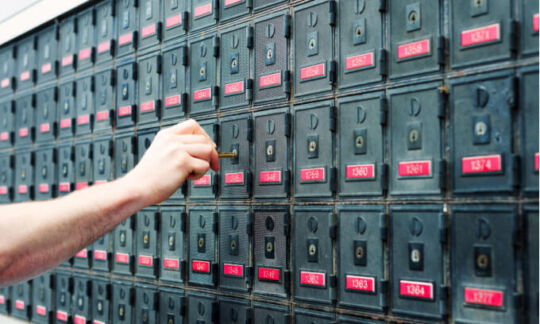
You can think of an ESA as similar to a digital post office. Several people may use the same post office entry point, but you still need further details, such as the PO Box (think ABN) number to get any information to the right person.
How do I get an Electronic Service Address (ESA)?
Your ESA should have been set up as part of the establishment of your SMSF.
The Australian Taxation Office (ATO) says you can usually get an ESA through your SMSF intermediary such as SMSF administrator, tax agent, accountant or some banks.
If your SMSF doesn’t use a SMSF intermediary, then the ATO says you’ll need to register directly with an SMSF messaging provider.
Either way, once you have an ESA you need to let the ATO and your employer know.
So if you have a SMSF, then you should be aware of your ESA. If not, check with other fund trustees or your fund’s administrator.
One thing to note is that not all ESAs are the same.
Mary Simmons, Head of Technical at the SMSF Association, the peak body representing the SMSF sector, told Canstar it’s important to check what sort of ESA you have if you intend to use your SMSF for more than just employer super guarantee contributions. For example, do you also intend to do any rollover of money into or out of your fund?
“An SMSF can only have one ESA recorded with the ATO at any given time and it is important for SMSF trustees to understand that not all ESA providers offer both contribution and rollover/release authority functionality,” she said.
The ATO says you need to check to see if your chosen ESA can provide rollover services, otherwise you may not be able to roll money into or out of your SMSF. Again, the ATO’s list can tell you which ESA providers allow super contributions, and which also include other services.
Cover image source: Alena Levykin/Shutterstock.com

Try our Superannuation comparison tool to instantly compare Canstar expert rated options.