






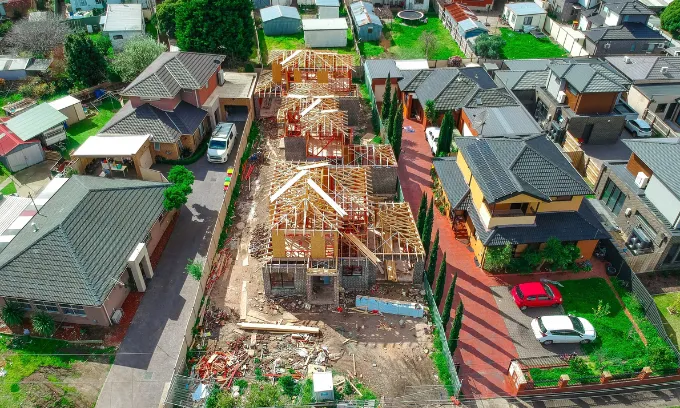
Should you build or buy a house?
There’s no easy answer to this question. The decision between building and buying a house will mean weighing up your budget, timeline and desire for customisation with your willingness to manage stress and potential budget blowouts.
Buying an existing home offers a degree of certainty, as you’ll know roughly what you’re getting and how much you’ll pay. It’s generally also a quicker option, as you won’t need to wait for the home to be finished.
Building, while more complex and potentially more costly, can allow you to create a home that truly feels like it’s yours. You’ll need to be prepared for potential construction delays and budget overruns, but the end result can be tremendously rewarding.
If you’re currently weighing up the question of buying versus building, here are some considerations that could help you decide.
Is it cheaper to buy or build a house?
Whether buying or building a home is cheaper for you will often be influenced by a number of factors like the property’s location and the price of materials and labour.
How much does it cost to buy a house?
The median price of a residential dwelling (both houses and apartments) in Australia is $928,421, according to Cotality data from July 2026. Broken down by capital cities, the median price is:
- Adelaide: $944,909
- Brisbane: $1,104,094
- Canberra: $883,138
- Darwin: $642,175
- Hobart: $756,951
- Melbourne: $797,354
- Perth: $1,029,797
- Sydney: $1,244,617
That said, median price alone doesn't tell the whole picture. The true cost of buying a house depends on its size and location, and a number of associated costs, ranging from conveyancing through to government duties like stamp duty.
How much does it cost to build a house?
The average cost to build a home can range from $620 to $3,900+ per square metre, according to online tradie platform Hipages. Keep in mind this wouldn’t include the cost of land, or demolition if you’re knocking down an old house to build a new one.
Some of the factors to take into account when determining the cost of building a home are:
- Whether you’ve chosen a pre-designed home or are having one custom designed.
- The type of frame and other building materials being used.
- The location and size of the property.
- The building site itself, including the soil quality and connection to services like water, gas, and electricity.
- The cost of labour and the pricing structure of your building contract.
- The installation of features to protect it against natural disasters like bushfires or flooding.
What are the pros and cons of buying a house?
Some potential pros of buying a house include:
- Certainty: You'll know what you’re getting (in most cases, barring any surprises).
- Speed: Buying is typically faster than building.
- Location: You’re often more likely to find an existing home than a vacant block in a favourable location, unless you’re planning a knock down-rebuild.
Potential cons include:
- Maintenance: Older homes can come with costly wear and tear.
- Ongoing costs: Renovating a home down the line can be pricey.
- Government fees: These can be higher when buying versus building.
Pro: You know what you’re getting with an existing house
When you purchase an existing home, generally you’ll be able to inspect the property, to get an idea of its condition and any structural flaws or defects.
It’s possible to make the sale conditional on the result of a building and pest inspection meaning if any major issues are uncovered, you’ll be able to back out. It’s worth noting, however, that when you buy at auction, the sale is final, so in this instance you would need to do any pre-purchase research beforehand.
Pro: Buying a house may be faster
Generally speaking, it’s faster to buy and move into an established home than building one from scratch. The time between signing the contract and moving in can be as short as 30 days, depending on the settlement period you opt for. This means, in theory, you could view a property, decide to buy it, and have the keys within the space of a month.
By contrast, the process of building a home is usually a lot longer. It can take between six months to a year to build a house in Australia, and potentially longer for more complex builds, according to the Australian property marketplace, Domain.
Pro: Finding an established home in a more favourable location
If living in an inner city suburb is a priority, then it’s worth keeping in mind that the closer you get to the CBD, the harder it might be to find vacant land. Therefore, if you wish to live in a location like this and have access to the amenities and cultural life that a city offers then buying an established house may be preferable.
If you wish to build a home closer to town, you could consider a knock down-rebuild. This may be easier to find vacant land in outer suburbs, which may be a more practical option if you wish to build rather than buy. New housing developments with vacant blocks may well be planned to include amenities like public transport, medical centres, schools, and shops.
Con: Old house problems
Buying an established home may be appealing if you feel the home was ‘built to last’, with better craftsmanship and more sturdy materials. On the flipside, older houses can have issues with wear and tear. The longer the house has been around, the more of these problems you may face, leading to more work for you when you live there.
What exactly are some of these problems? They can range from maintenance issues and things that need replacing, like older hot water or air conditioning systems, through to issues such as antiquated layouts and features in need of modernising. Even issues with the roof or foundations may necessitate repair over time.
Con: Potential need to renovate
Even if an established home is structurally sound, you may buy it with a view to renovate, and this could mean knocking down walls or installing a new kitchen and/or bathroom. While all these things can be done prior to moving in, renovations take time and money, so you may decide to move into your new home and renovate it piece by piece.
While this is certainly achievable, you’ll need to keep in mind that living amongst renovations can be inconvenient. You may even need to move out for a few weeks if you’re without a kitchen or bathroom. Building a new house with everything as you want it before you move in may be appealing, but it can also take several months or more, so it’s important to factor this into your decision making.
Con: More to pay in government fees
When buying a house, you may find that you need to pay stamp duty. Stamp duty, also known as transfer duty, is a tax you’re charged by your state or territory government when purchasing a property. It can add potentially tens of thousands of dollars to the overall cost of a home.
When buying a vacant block of land to build a new home on, you could receive a concession on the cost of stamp duty or not be charged at all, depending on your circumstances.
What are the pros and cons of building a house?
There are a number of potential pros to building your own house, including:
- Customisation: The ability to choose your own design specifications.
- Government support: Possible savings from accessing grants and stamp duty concessions.
- A greener home: You can build an energy-efficient home with sustainable materials.
There are a number of potential cons also, including:
- Construction industry uncertainty.
- Risk of budget blowouts: New builds can cost much more than you bargained for.
- Risk of poor workmanship: Substandard work can be costly to fix.
- Complexity of construction loans.
Pro: A house designed to your specifications
Whether you’re buying a new house off the plan or constructing your dream home, you know that when you get the keys, you’ll be moving into a house that’s yours, where nobody has lived before.
Pro: Possible access to grants and stamp duty concessions
The First Home Owners Grant (FHOG) program is available across almost all states and territories, with the exception of the ACT, which only offers stamp duty exemptions and concessions instead.
While eligibility can differ, it’s generally only available to people who are buying or building a brand-new home. This means that, depending on where you live, you could have access to anywhere from $10,000 to $50,000 in grants, as long as you meet the eligibility criteria.
Another potential advantage of building a house is that if you purchase a vacant block of land with the intention of building, you may be entitled to a stamp duty exemption or concession, depending on your circumstances. Rules around stamp duty can also differ depending on the state or territory.
Pro: Option to build an energy-efficient home
Using energy-efficient building materials and techniques in your new home could help you save on your power bills. If you’re contemplating a new build, Canstar has a guide on ways you can make your home more energy-efficient; with tips on everything from insulation and airflow through to energy-efficient appliances.
While some energy-efficient options could be expensive up front, like solar power systems, they could help you save on your energy bills in the long run. That said, there are a variety of rebates available for installing solar panels around Australia.
Con: Uncertainty in the construction industry
While fewer construction firms went under in the 2025-26 financial year compared to the previous year, insolvency levels remain historically high, says the Master Builders Association (NSW). If your builder becomes insolvent, construction immediately comes to a halt. You’ll generally need to then terminate the contract and lodge a claim through your mandatory home warranty insurance (or domestic building insurance). This can help cover the costs of hiring a replacement builder to complete the project, but will likely mean delays.
Many construction companies continue to feel the squeeze, thanks to high interest rates, increasing material costs and labour market shortages, making it more difficult for them to deliver on fixed-price contracts.
Con: Potential for cost blowouts
Whether buying off the plan or building an architect-designed home, you may find you end up spending more than you budgeted for. You may even find adverse weather conditions can delay the build, which in turn drives up the price.
Price increases for customers who’ve signed fixed-price building contracts are becoming a common problem in Australia. Issues like supply chain delays, materials shortages, and increased costs for building materials like steel and timber could see your costs potentially balloon. It’s important to seek legal advice and read the contract carefully before agreeing to or paying an increase to the price of your fixed contract.
Likewise, when you buy a home off the plan, ask questions about what inclusions come as standard, and which come as extras. For example, you may find certain fittings and features don’t come as standard, meaning you’ll need to pay extra for the ones you want.
When it comes to building a new home, it’s also important to check your contract carefully and find out exactly what is and isn’t included. For example, you may discover something you thought might be standard (a driveway, for example) is not included, and will cost extra.
Con: Risk of poor construction work
Building a home means trusting builders to construct your house to a standard that’s satisfactory, with no major issues.
If an issue arises and you cannot reach an agreement with your builder as to having it repaired, you may need to take the matter to your state’s relevant consumer affairs body or even to court.
The quality of a build will also depend on the skill and experience of your builder and the materials available. If you’re thinking of building a new home, it may be worth asking friends who’ve built or purchased a newer property about any issues they’ve had with their builds, to get a sense of what you might be in for.
You’ll generally pay for construction in stages, and your builder will collect final payment once the project is complete. Before completion, you’ll need to conduct a pre-handover inspection to have any defects remedied before the keys are handed to you and the house becomes yours.
Con: Construction loans can come with time constraints
Construction loans are complex. Some can come with constraints, particularly related to when you have to start and finish the build.
For example, the time you have to finish a build can range from six to 24 months, depending on the lender and the size of the project. Some lenders may also require you to start construction within a certain time after settling on the land purchase.
While these things can all be discussed with your lender and your builder ahead of time, it’s still important to understand that the time frames associated with construction loans can be limiting.




