






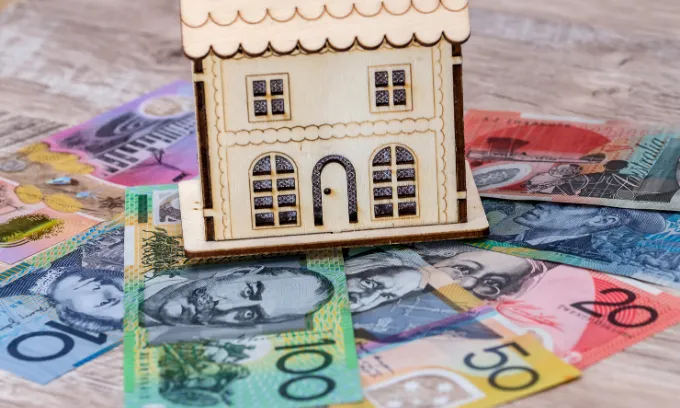
Can you buy a house with cash?
Yes, you can buy a house with cash if you have the funds available. Contrary to popular belief, it’s not necessarily a strategy limited to the uber-rich.
Nearly a third (32%) of Aussies own their home without a mortgage, according to the Australian Bureau of Statistics (ABS), with one in five households owning multiple properties.
How to buy a house with cash
The buying process works largely the same way, whether you’re a cash buyer or you need to take out a home loan. But there can be minor differences you need to be aware of.
When you buy a house with cash, you get to skip out on the steps needed to acquire a mortgage, such as:
- Comparing home loans: You don’t have to shop for home loans with competitive interest rates.
- Filling out a loan application: There is no need to fill out lengthy paperwork for a home loan.
- Property evaluation: A lender doesn’t have to independently assess the property you’re interested in buying.
- Financial assessment: You can skip out on the bank’s credit check process and evaluation of your financial position (through measures like your debt-to-income ratio).
- Lender approval: You don’t have to wait for the lender to approve your home loan application.
Additionally, you no longer need to include a ‘subject to finance’ clause on your offer to buy a home. That’s because you already have the cash on hand. You might also bid more confidently at an auction, where subject to finance clauses generally don’t exist and which can be risky for non-cash buyers.
But if you’re a cash buyer, the seller’s agent or conveyancer may require evidence that you have the funds available to buy the property. There have been past examples of buyers making a cash offer when a home loan was actually needed to complete the purchase.
Once you and the seller reach an agreed price, you’ll be expected to pay a deposit and exchange copies of the signed sale contracts.
If you’ve added other conditions, like ‘subject to pest and building inspection’ and ‘subject to satisfactory searches’ clauses, to your contract, take the time to organise a pest and building inspection and body corporate searches through a conveyancer before the set period for each clause has passed.
During this time, if any problems are identified during your pre-purchase checks, you can likely back out of your contract under any relevant clauses.
From there, the normal process of settlement takes place, transferring the property out of the seller’s name and into yours on settlement day.
Make sure you speak with your bank and the selling agent to decide how the balance owing on the property should be paid on settlement day. Banks often place daily limits on electronic transfers, so it’s wise to discuss your payment options with yours prior to the settlement date.
Is it a good idea to buy a house with cash?
If you have the money available, buying a house with cash seems like a no-brainer. It means no debt, no monthly repayments, and no interest costs.
But before you hand over what is likely to be a significant amount of cash, it’s worth taking a moment to consider the pros and cons of buying a house with cash.
The pros of buying a house with cash
- The potential to negotiate a good price: Without the need to be approved for a home loan, you may have more negotiating power. This can lead to flow-on benefits, including the potential to arrange a shorter settlement period if this suits everyone.
- Savings on upfront purchase costs: As a cash buyer, you may be able to avoid some upfront costs of buying a home such as mortgage registration charges and home loan application fees.
- You can own your home debt-free: Paying for a home with cash means you won’t need to budget for mortgage repayments, and you stand to save a bundle in the interest charges that can go hand-in-hand with a home loan.
- You have 100% home equity: You will have 100% home equity from day one. This equity can be a valuable resource, as lenders may let you use your home equity to buy a second property with no deposit.
The cons of buying a house with cash
- Don’t assume you’ll score a price discount: Paying for a house with cash doesn’t guarantee a big discount on the sale price.
- No discount on buying costs: Paying with cash won’t entitle you to any savings on costs such as stamp duty.
- You won’t have the benefit of a lender’s valuation: When you borrow to buy a home, the lender is likely to conduct a valuation of the property. This gives the financial institution and the homebuyer confidence that the agreed price isn’t above market value. When buying a house with cash, you’ll have to determine your property’s value yourself by hiring a professional property valuer.
- You are tying considerable cash resources to one asset: As a cash buyer, you may be investing all or most of your savings into a single property. It’s always a good idea to be sure this won’t leave you strapped for cash if emergency bills arise.
- You could earn a better return by investing the cash elsewhere: While buying a house with cash yields considerable savings on home loan interest, there could be more productive ways to use that money. By investing the capital elsewhere, you could potentially earn more in returns than you save in home loan interest.
When it can be a good idea to buy a house with cash
There are circumstances when buying with cash may be the ideal strategy.
- You’re struggling to get home loan approval: Lenders look at a variety of factors to decide your eligibility for a home loan. But certain factors, such as having a low credit score, can make it challenging to be approved for a loan with a mainstream lender.
- You don’t want to take on more debt: The decision to buy a house with cash can be driven by personal preferences, such as a lower risk appetite.
- The property doesn’t pass muster with a lender: Lenders each have their own rules about which properties they’ll accept as security for a home loan. In general, very small apartments, homes on risky land such as beachfront blocks subject to coastal erosion, rural properties, and houses with serious structural defects can all be no-go zones for them.
Should I buy a house with cash?
The decision to buy a house with cash means living without a mortgage—something many Australians aspire to.
Whether or not you decide to buy a house outright with cash depends on your needs and financial circumstances.
Be sure to weigh up the pros and cons of devoting a large sum of money to buying a property, especially if this could leave you with very little savings to handle life’s inevitable curveballs. You could also consider seeking out professional financial advice before making your decision.




