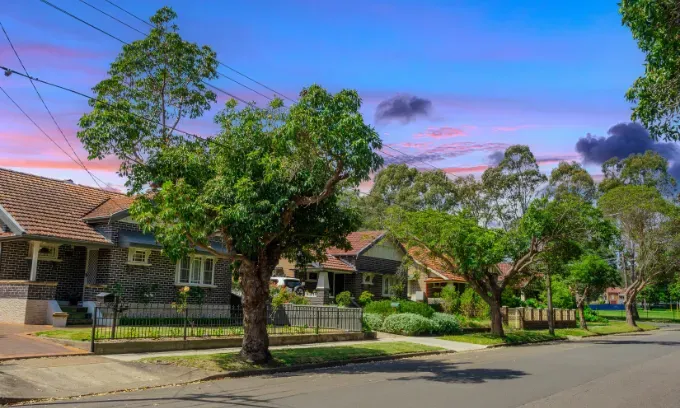


























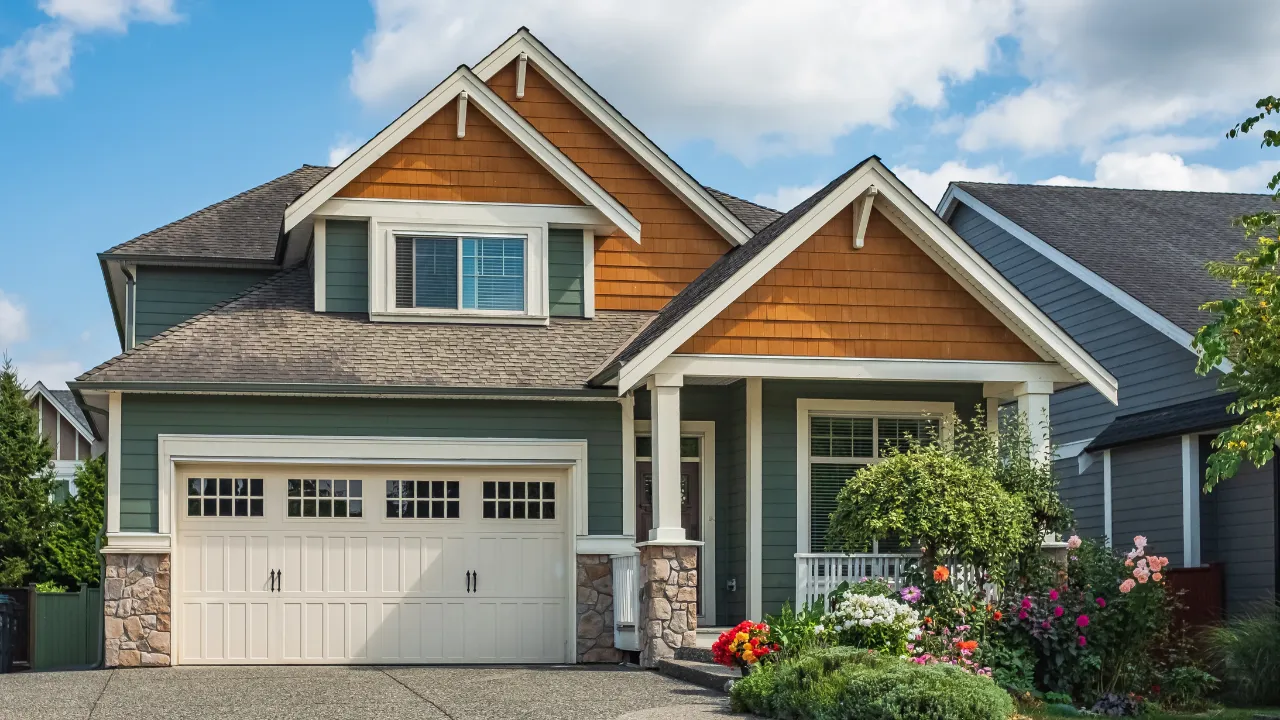






What is building insurance?
Building insurance, also known as home building insurance, helps pay to repair or replace the physical structure of your property if it’s damaged by events like storms, fire, or burglary. It can also cover some permanently attached fixtures, such as garages, fences, solar panels, or hot water systems.
It’s crucial to understand that building insurance only covers the structure—not the items inside your home. To protect furniture, appliances, and other belongings, you’ll need to take out contents insurance. While building and contents insurance are separate, many people take them out together, and some providers offer discounts for combining both.
How does building insurance work?
When you take out building insurance, one of the first things your insurer will ask is how much you want to insure your property for—this is called the ‘sum insured’ amount. It’s the maximum the insurer will pay to rebuild your home if it’s damaged or destroyed, including materials, labour, and replacement of fixtures like built-in wardrobes, toilets, showers, and air-conditioners.
Some insurers also offer total replacement cover. Unlike sum insured policies, where you estimate the rebuilding cost, total replacement cover pays to rebuild your home to the same standard it was before the damage. This reduces the risk of being underinsured, but it’s less common and usually more expensive.
Your building insurance will also have an excess—the amount you pay toward a claim before your insurer contributes. Many providers let you choose the excess level: a lower excess means less out-of-pocket if you claim, but may increase your premiums, while a higher excess can lower your premiums but costs more if you make a claim.
What does building insurance cover?
Building insurance is designed to cover your home for a variety of ‘insured events’ (i.e. events that you can make a claim for if they cause damage) such as:
- Floods
- Storms, lightning and storm surges
- Fires, including bush and house fires
- Earthquakes and tsunamis
- Theft or burglary
- Escape of liquid (i.e., a burst water pipe or leaking washing machine)
- Impact (such as from falling trees)
- Damage by animals (not including your pets, vermin or rodents)
- Explosions
- Riots and civil commotions
- Malicious acts of vandalism
The specific events you’re covered for varies between insurers, so make sure to read your policy’s Product Disclosure Statement (PDS) to find out exactly what you’re covered for.
Depending on the insurer and the type of coverage you take out, a typical policy may include:
- Rebuilding costs: If you need to rebuild all or part of your property due to damage caused by an insured event. Some policies may provide an extra benefit (in addition to the sum insured) to pay fees for professionals such as architects, engineers and lawyers.
- Cover for legal liability: If you’re found liable to pay compensation to someone because they suffered accidental injury, death or property damage while in your home; building insurance can provide towards your legal costs.
- Alternative accommodation: If an insured event, (like a storm or fire) damages your property to the extent that it’s unliveable, building insurance may cover the cost of rental accommodation for a period of time—for example, up to 12 months depending on the policy.
- Boarding for your pets: In some cases, policies may offer a payment for the boarding of your pets in a commercial boarding establishment if your house becomes unliveable.
- Removal of debris: If parts of your house are damaged or destroyed by an insured event, then building insurance can potentially pay for the removal of debris.
- Replacement of locks or cylinders: If your house is broken into and you have a reasonable belief that your keys have been copied, building insurance may cover the cost of replacement locks for external doors or windows.
- Making your house more green: If your house is destroyed by an insured event and requires rebuilding, some insurers may pay an extra benefit (in addition to the sum insured) to help you rebuild a more energy efficient home, contributing towards fixtures such as rainwater tanks and solar power systems.
What optional extras can I get through building insurance?
Most providers will offer additional cover options you can include on your policy, usually at an additional cost to your premium. Some optional extras commonly offered include:
- Accidental damage cover: Many standard home insurance policies do not provide cover for accidental damage (i.e., dropping a heavy pot and cracking a stone tile or making a hole in your wall when moving furniture).
- Flood cover: Since the definition of flood can vary from insurer to insurer, flood cover will sometimes be offered as an optional extra by the insurers that don’t have it as part of its standard building insurance policy.
- Motor Burnout cover: This form of cover allows you to claim for damage or loss of electrical appliances due to motor burnout that occurs in your home. When it’s not included as part of a standard policy, insurers will often include it as optional extra.
- Domestic worker’s compensation: This type of cover protects you in the event of a compensation claim from someone that’s injured while working in or about your property (e.g. a gardener or an au pair). Although many policies include public liability insurance, it often only covers visitors to your house and not employed individuals that work on your property.
What does building insurance not cover?
Like all insurance policies, building insurance comes with general exclusions, restrictions, and situations where you’ll not be covered, including:
- Leaving your property vacant: Some insurers will not cover your property if it sits unoccupied for a certain period of time, which can be between 60 or 90 consecutive days, depending on the insurer.
- Failing to secure your property: If you have not taken reasonable steps to secure your property from a break-in (i.e., left your doors unlocked) or weather event (i.e., left windows open), your insurer may reject your claim.
- General wear and tear: Building insurance will not cover the general maintenance of your home, such as fading paint, cracked roof tiles or slow water leakage from pipes that cause damp or mould growth.
- Poor workmanship and/or design: Your building insurance will usually not cover DIY projects or renovations done to or on your property. It’s important to talk to your builder about any insurances they personally hold to ensure you’re covered.
- Damage from pests and vermin: Building insurance won’t cover damage due to pests and vermin such as rats, cockroaches and termites.
- Illegal acts and intentional damage: If you commit illegal actions on your property or intentionally damage your home, your claim will likely be rejected.
- Flood damage: It’s important to understand that flood damage does not always come as standard with building insurance, meaning you may need to purchase it as an optional extra. Even if it’s included, it may only extend to certain types of flood damage (i.e., riverine flooding, dam or reservoir release etc.). Read your policy’s PDS or check with your provider directly to confirm exactly what you’re covered for.
- Actions of the sea: Rising sea levels and king tides not provoked by a storm or cyclone are not usually covered by building insurance, regardless of if you have flood cover or not.
Do you need home building insurance?
It’s not a legal requirement to have building insurance, but if you’re purchasing a property using a home loan, it’s likely that your lender will require you to have home building insurance (with a minimum sum insured amount) as a condition of approving your loan. Even if this is not the case, you may wish to take it out for your own peace of mind.
If you’re purchasing a property, the rules on when you’ll become responsible for damage to the property varies between different states and territories. In some parts of Australia, this happens on settlement day, but in others, it’s as soon as contracts are signed. It’s therefore important to understand when you’ll need to have building insurance in your state or territory in order to be covered.
How much does building insurance cost?
Building insurance costs can vary significantly because insurers consider a range of factors when calculating premiums. These can include your home’s location, how it’s built, the level of cover you choose (such as sum insured or total replacement), and the excess you set.
To give you a broad idea of the potential cost, the Canstar Research Team has compiled the following general estimates, based on research carried out for Canstar’s Home and Contents Insurance Awards:
Average annual | |
|---|---|
NSW | $2,320 |
VIC | $2,024 |
North QLD* | $4,117 |
QLD | $2,881 |
SA | $1,675 |
WA | $1,943 |
TAS | $1,882 |
NT | $4,393 |
National | $2,485 |
Source: www.canstar.com.au - 05/01/2026. Premiums based on quotes obtained for Canstar's Home and Contents Insurance Awards and Star Ratings (August 2025), for a range of addresses, property assumptions and building sum insured amounts. Premiums based on building sum insured amounts between $300,000 and $1,500,000 and a contents sum insured of $50,000. *North QLD is defined as the portion of Queensland north of, but not including, Rockhampton.
How can I work out how much building insurance I need?
You generally have three main ways to calculate how much building insurance you may need. A good starting point is using an online calculator, such as Cotality’s Sum Sure tool, which can estimate rebuild costs using property data.
You can then sense-check this estimate using two common manual methods. The first is a cost-per-square-metre estimate, which calculates rebuild cost based on your home’s size. The second is elemental estimating, which looks at more detailed factors like build quality, design features, and whether your home is built on a slope.
How can I keep the cost of building insurance down?
One of the best ways to keep premiums down is to shop around and compare your options. Compare building insurance options from our Online Partners by using the table at the top of this page. You can also change the table’s filters to suit your requirements. Don’t just pay your renewal without first taking the time to get quotes from a few different insurance providers. You may be surprised by the potential savings.
Providers frequently offer deals to new customers or discounts for paying your premiums annually rather than monthly, which are worth considering when you’re shopping around.
Another cost saving method is considering a higher excess, as this can often lead to lower premiums. Remember, however, that this option means contributing more if you need to make a claim.
Who offers building insurance?
There’s a wide array of insurance providers that offer home building insurance in Australia. Use the table at the top of the page to see the providers on Canstar’s database that offer this type of insurance.
It’s worth checking out Canstar’s Home and Contents Insurance Awards. Our annual awards recognise the providers who offer outstanding value home building insurance to Australians on a national level, as well for some specific states:
National award winners
- AAMI, Allianz Australia, QBE, Westpac
State award winners
- AAMI - QLD (Rockhampton and all areas south)
- Allianz Australia - NSW
- NRMA - NT, SA and WA
- QBE - North QLD (north of Rockhampton), VIC and TAS