






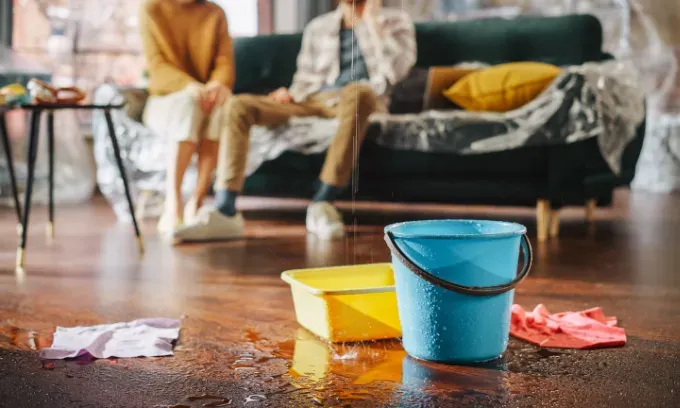
Water damage isn’t always obvious. Sometimes it’s a slow leak, sometimes a sudden flood, but either way it can wreak havoc on your home. Home insurance policies typically cover water damage, but the coverage can depend heavily on how the damage occurred.
There are a number of ways your home and its contents could be damaged by water. Beyond severe storms or rising floodwaters, a slow, hidden leak in your internal plumbing or a malfunctioning appliance can cause water to slowly weep into the surrounds, causing notable damage.
Does home insurance cover water damage?
Home insurance policies on Canstar’s database include ‘escape of liquid’ as a standard inclusion. This typically covers you for loss or damage caused by water leaking, bursting, or overflowing from appliances, fixtures or plumbing.
However, insurers will usually only cover an escape of liquid if it's sudden or accidental. You generally won’t be covered if water damage is caused by wear and tear or a gradual leak that you could have reasonably been aware of.
How do you know what water damage you're covered for?
The way home insurance policies cover water damage can vary. For example, some policies cover the cost of finding the cause of the water damage if the source is unclear, but may not cover the actual cost of repairing or replacing the item that caused of the leak (like a cracked pipe).
Many home insurance policies also cover loss or damage caused by flooding or storms as a standard or optional inclusion.
You can typically find details on the kinds of water damage you're covered for by looking at your home insurance policy document and Product Disclosure Statement (PDS).
How to make a successful insfurance claim for a water leak in Australia
To make an insurance claim through your home and contents insurance after a water leak, you can follow these steps:
- Prevent further damage if it's safe to do so. For example, if you have a leaking pipe, you could turn off the water at the mains to help stop the problem from getting worse.
- Gather as much evidence of the water damage as possible. Take photos, videos, and notes outlining the damage.
- Contact your home insurer and make your claim. Have your policy number and information supporting your claim at hand. If specific items have been damaged, it’s worth providing information about their make and model too.
- Contact a qualified plumber or relevant technician to make repairs if necessary. It’s worth speaking to your insurer before making any repairs, as it may send someone to visit your home and report on the damage.
- If your claim is successful, your insurer will arrange for the repair or replacement needed.
If you need further help making a claim, reach out to your home insurer for assistance.
Tips to give your water leak insurance claim the best chance of approval
While you can't guarantee a water damage claim will be successful, there are steps you can take to help improve your chances:
- Conduct regular maintenance on your home and inspect flexi hoses (those attached to dishwashers, washing machines, sinks, and taps) for any signs of damage. This is important as your insurer typically won’t cover you for water damage caused by a leak you could reasonably have been aware of.
- Maintain records of any repairs you have made over the years.
- Read your policy documents so you're aware of the circumstances you are and are not covered for.
Insurers are required to respond to your claim within 10 business days of receiving it. If your provider needs more information from you, it will need to let you know within this timeframe.