






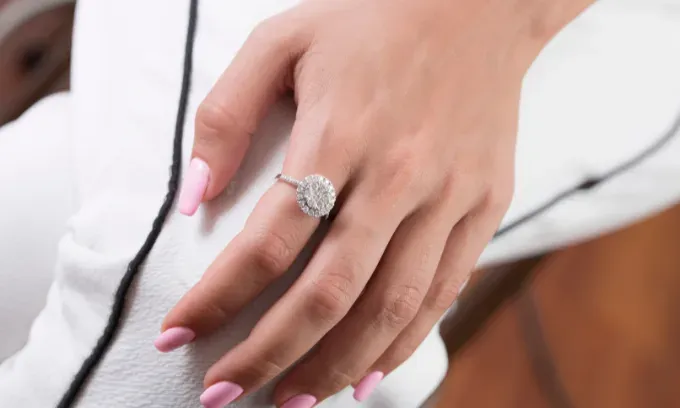
Jewellery insurance can cover the cost of jewellery if it's lost or damaged. If you have a collection of jewellery, or even just one precious piece like an engagement ring, then insurance can provide valuable peace of mind.
While standard home and contents insurance can cover jewellery, coverage may be more limited than you think. If you need cover for a prized piece, then it’s important to do your research so you’re not left out of pocket should it be damaged or lost.
How does jewellery insurance work in Australia?
There are three main ways you can insure your jewellery in Australia: a standard home and contents policy, a portable contents policy (usually sold as a contents insurance add-on), or a specialist standalone insurance. Each of these is more comprehensive than the last, and it’s important to know you have the right cover for what you need.
1. Standard home and contents insurance
A standard contents insurance policy can cover you for loss or damage to your jewellery while at home, but there are some key limitations to be aware of.
- Sub-limits: Contents insurance policies typically include a cap on the amount you can claim in a certain category. For example, if your sub-limit for jewellery is $2,500, you’ll only be able to claim up to this amount for loss or damage, even if you have a collection or a valuable piece worth more than this.
- Limits to where you’re covered: Standard contents insurance usually only covers you for loss or damage at home, meaning your jewellery won’t be covered if lost or damaged while you're out and about.
If you have an especially valuable item—for example, an engagement ring worth $5,000—you may be able to ‘list’ this on your cover to insure it for its full value. This means you won’t be affected by a cap, but it's also likely to increase your premiums.
2. Portable contents insurance
Portable contents cover is an add-on that can be purchased as part of contents insurance. It can insure your possessions against loss or damage while away from home. If you wear valuable jewellery out, this may be an option worth exploring.
Portable contents insurance typically covers you Australia-wide, and depending on your policy, you may also be covered for some limited overseas travel. There are two types of portable contents cover:
- Unlisted or unspecified: This provides cover for items that aren’t individually listed, up to a set amount—for example, $1,000 per item.
- Listed or specified: This provides cover for a specific item, like a $5,000 watch. You can insure it for its full value, but this will likely make your premiums more expensive.
3. Specialist or stand-alone insurance
Some specialist insurers in Australia will offer stand-alone or 'single item' insurance for a single piece of jewellery.
Unlike standard insurers who may assess your piece based on its current market value, these specialist insurers may offer ‘agreed value’ cover, where you agree upon the value of the item upfront.
If you have jewellery of significant value, you may want to insure it separately so it isn’t limited by standard home and contents claim limits.
Depending on your policy, you might also get the option for repairs or replacements to take place at your original jeweller, optional cover for items you wear outside your home, and sometimes limited worldwide protection.
It’s important to understand, though, that premiums for this kind of specialist insurance may be higher than for standard contents insurance.
If you’re unsure about what kind of policy works best for you and your jewellery, you may be interested in having a chat with our home and contents insurance broker.
How do I insure an engagement ring?
An engagement ring can be insured in the same way as any other important item of jewellery. Most engagement rings are covered in one of two ways:
- Home and contents insurance: You can often list the ring as a specified item on your policy. This is important because standard contents policies usually have a maximum payout for jewellery, which may be lower than the ring's value.
- Standalone jewellery insurance: Specialised policies can offer broader coverage, such as agreed value rather than market value, and may allow you to choose your own jeweller for repairs or replacement.
Note that most insurers will require an up-to-date professional valuation and proof of purchase to ensure the sum insured is accurate.
When should you take out jewellery insurance?
Ideally, insurance should start the moment a valuable item leaves the jeweller. If you plan on purchasing a valuable item of jewellery, it may be worthwhile to discuss and review your insurance options ahead of time.
What to consider when insuring your jewellery?
Identify what to insure
Decide what jewellery you’d like to cover and whether any high value or sentimental pieces should be listed as specified items. You may consider portable contents cover if your items are worn outside your home.
Determine value
Check the replacement value of your jewellery. You may choose to get your jewellery professionally valued, as this can give you an official certificate describing your jewellery and its value. This can help you avoid underinsurance and simplify claims.
Check existing cover
If you already have a home and contents or contents-only policy, it may include some cover for jewellery. Check the claim limits and any caps on individual or multiple items to see if the cover is sufficient. You may need extra insurance to fill any gaps.
Understand the claims process
Knowing your coverage is one part of choosing a policy; another is how claims are handled. For example, if your jewellery is lost or damaged, check whether the insurer offers cash settlements or discounted replacements through partner jewellers, and what evidence may be needed to make a claim.
Compare costs and premiums
Higher coverage can be useful, but premiums should align with your budget. Compare multiple options, looking closely at costs, inclusions, limits, and exclusions to find suitable cover. Adjusting your excess can help lower the premium but also means higher out-of-pocket costs if you ever need to make a claim.
What’s not covered by jewellery insurance?
Exclusions for your jewellery insurance depend on the type and level of cover you choose, and whether you take out cover with a specialist insurer or through your home and contents policy.
Some common exclusions that may apply include:
- General wear and tear.
- Losses arising out of structural defects, faulty design, or poor workmanship.
- Lawful confiscation of jewellery.
- Jewellery that's been illegally acquired or held.
- Intentional loss by the policyholder, their spouse or partner, family member, or a person they live with.
- Misplaced jewellery with no identifiable event to account for the disappearance. This exclusion may not apply to portable contents or specialist jewellery insurance.
- Items not defined as jewellery, such as unset gemstones.
- Loss due to theft if your home wasn’t properly secured or you fail to report the theft to the police.
What to do when making a claim?
If you suspect your jewellery has been stolen, immediately notify the police and obtain a police report.
Contact your insurer as soon as you become aware of any loss or damage to your jewellery. They should let you know what they need to assess your claim, including detailed information about the incident.
What evidence do you need when making a jewellery insurance claim?
Insurers may request a range of information or documents when you make a jewellery insurance claim, including:
- Proof of ownership in the form of purchase receipts and photographic evidence of your jewellery in your home.
- A jewellery valuation certificate describing each item and its value.
- A copy of your police report for loss caused by theft.