








































Mobile networks in Australia
There are three mobile networks operating in Australia: the Telstra network, the Optus network, and the Vodafone network (now owned by TPG Telecom). Each of these networks combines 4G and 5G technology to allow mobile devices to make and receive calls, send and receive messages and access the internet.
While there are dozens of telcos available to Aussies, all of them offer service on one of these three networks — they simply resell Telstra, Optus or Vodafone access. However, these smaller telcos can set their own plans, prices and inclusions, which can be very competitive.
What is an MVNO?
A Mobile Virtual Network Operator (MVNO) is a telco that does not own or operate its own mobile network, but instead leases network access from a Mobile Network Operator (MNO). Telstra, Optus and Vodafone are the three MNOs available in Australia. All other telco companies are MVNOs.
What is the best mobile network in Australia?
The major telcos often promote their networks in terms of how much of the population can access combined 4G and 5G coverage. 2025 figures are below.
- Telstra: 99.7% of the population
- Optus: 98.5% of the population
- Vodafone: 98.4% of the population
Optus and Vodafone have a network sharing agreement as of 2025, which has boosted each telco’s coverage and performance in regional areas. Prior to this deal, Vodafone’s coverage reached only 95.4% of Australians.
One thing to note is that while MVNOs on Optus and Vodafone network offer the same coverage to customers, Telstra reserves full network use only for Boost Mobile. All other Telstra MVNOs use its wholesale network which covers 98.8% of Australians.
If you’re unsure which networks are available in your area, you can check coverage maps on Telstra, Optus and Vodafone's websites. These maps will also indicate separate 4G and 5G coverage, so you can gauge which technology is accessible to you.
Aside from coverage, networks may also be measured by the speed at which customers can download data. This is measured in megabits per second (Mbps). 5G networks offer the fastest speeds, at upwards of 500Mbps, but how fast your connection is will depend on factors such as location (e.g. how close you are to the nearest mobile tower, and how many people are also using the network in your area).
Some plans may also come with speed caps, which will limit the speed of your connection.
What’s the difference between 4G and 5G?
The terms ‘5G’ and ‘4G’ refer to generations of mobile network technology. A ‘generation’ is a term that categorises major developments in how these mobile networks operate, such as a move to a different frequency or a jump in speed.
The big differences between 4G and 5G are speed, latency, and bandwidth. Theoretically, 5G can reach speeds 20 times faster than 4G. 5G can also reduce lag on video calls and gaming, and allow more users to connect to the network at once with less congestion. This is achieved through a combination of improved technology, updated infrastructure, and utilising new wireless frequencies.
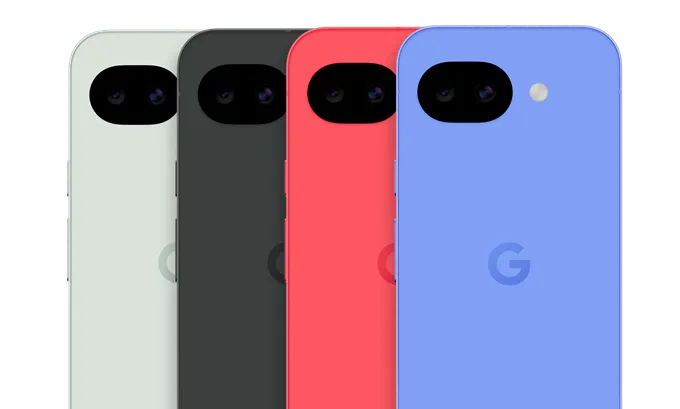
4G is available across all areas where network coverage is offered, with 5G also rolling out across most of the population. To access 5G, you’ll need to be on a plan that includes it and have a 5G-capable phone. Most mid-range and high-end smartphones are now 5G compatible, including models from Apple, Samsung, Google, OPPO, Motorola, Nothing and HMD.
How mobile plans work in Australia
What types of mobile plans are available in Australia?
There are two main categories of phone plans: phone-on-a-plan or SIM-only.
- Phone-on-a-plan: Allows you to bundle the cost of a new phone and the cost of your SIM plan on the one bill. Buying a mobile phone-on-a-plan means you’ll agree to paying off the cost of your phone over 12, 24, or 36 monthly repayments, rather than paying full price upfront. You can choose your preferred repayment term; you’ll pay the same in total for your phone overall, but can reduce the monthly payment by opting for a longer repayment period. These plans involve a credit check, but don’t require you to pay interest or any additional fees — you’ll generally pay the same amount for your phone as you would buying it outright.
- SIM-only plans: Include just the mobile plan itself, so you’ll need to supply your own phone. SIM-only plans are available as postpaid or prepaid, and can be a popular option for customers who can afford to buy a phone outright and don’t want to be tied to a provider long-term.
What’s the difference between postpaid and prepaid?
Prepaid plans require you to pay for your service and/or inclusions in advance: customers will need to 'recharge' their plan after each expiry period ends in order to keep using it. These plans also require no credit check at sign-up, just a valid ID, so can be a good option for tourists, new arrivals in Australia or anyone without a credit history.
Postpaid plans require you to pay for your service and/or inclusions after use: customers receive a bill for their previous month's usage, which they'll need to pay by a due date. Postpaid plans can also be bundled with a new phone, in a phone-on-a-plan deal. You’ll require two valid forms of ID and a valid debit or credit card for postpaid plans, and telcos may perform a credit check as part of the sign-up process
What is a SIM and do I need an eSIM?
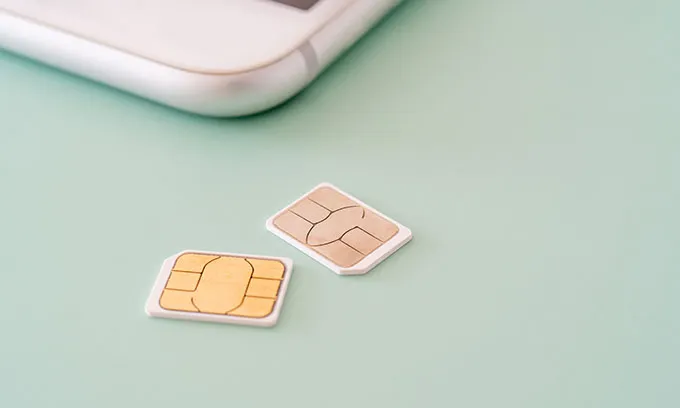
A Subscriber Identity Module (SIM) card is the small physical card that you slot into your smartphone to connect you to your mobile network. It contains a chip that stores your phone number and authentication details, as well as some data such as contacts (although generally you’ll store most of your data on your device or in the cloud). SIM cards are how your telco’s mobile network identifies your account, enabling you to make calls, send texts and use data.
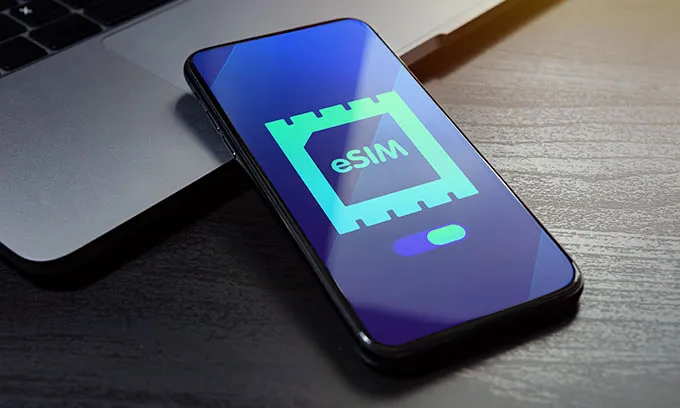
Some telcos also offer ‘embedded SIM’, also called eSIM. These are digital SIMs that are embedded into a device through its software, and allow you to connect without the need for a physical SIM card. Most mid to high-range smartphones released in the last few years are eSIM-compatible, as are smartwatches. eSIM-ready phones are also usually dual SIM, so you can use both a physical SIM card and an eSIM in the one device — ideal if you have separate business and personal SIMs, or need SIMs for more than one country.
What is included in a mobile plan and how is my usage charged?
All monthly mobile plans on Canstar’s database now include unlimited standard calls to national numbers and unlimited standard messages. This means there’s no limit on the number of calls you can make to standard landline and mobile numbers in Australia (including 13, 1300 and 1800 numbers, plus voicemail retrievals and deposits — premium or subscription numbers or numbers outside Australia are excluded), as well as the text and picture messages you can send to Australian mobiles. The exception is ‘pay as you go’ plans, which require you to pay for each minute of talk time or each message you send.
Plans also include a data allowance, which is measured in megabytes (MB) or gigabytes (GB) per month or recharge period. Plans will generally include a set number of GB that you can use until your plan renews or your bill cycle resets; once you hit this limit, you may be able to continue to use data, but be charged per excess GB. Your telco is required to notify you via SMS or email when you’ve reached 50%, 85% and 100% of your data allowance.
Other features that may be offered on plans include:
- Calls and messages to international numbers: This may be unlimited calling to standard numbers in specific countries/destinations, or a number of free international call minutes each month/recharge. If international calling isn’t listed as a feature it may be still available on a pay-as-you-go basis only: for postpaid, you’ll be charged extra for these calls on your bill, while prepaid customers may need to add on international call credit.
- International roaming (being able to use your plan overseas): Some plans will allow you to add-on overseas roaming credit or data packs, or pay a daily fee to use your Australian plan’s features overseas. You may also be able to use data, make calls or send texts internationally on a pay-as-you-go basis. Check with your telco for roaming rates in specific countries.
- Data roll over/data banking: This allows you to store unused GB for later use, either in the next recharge/month or any time in the future, provided your plan is active.
What is the average mobile phone plan bill in Australia?
According to research conducted by Canstar in June 2025, the average mobile plan bills for Australians are:
- Postpaid plans: $44.50 per month
- Prepaid plans: $25.40 per month
- Phone-on-a-plan: $81.90
Canstar also found that only 27% of Aussies felt that cost of living increases in 2025 impacted what they’re willing to spend on their mobile plan.
What is mobile data?
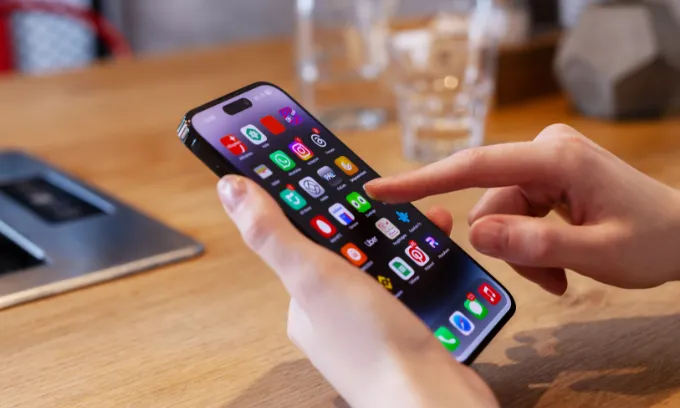
Data is a measure of the information your phone sends and receives when connected to mobile networks. If you’re using your phone’s mobile network to connect to the internet (rather than WiFi), you’re using mobile data.
What happens if I go over my mobile plan’s data allowance?
Plans will generally include a set number of GB that you can use until your plan renews or your bill cycle resets. Once you hit this limit, you may be able to continue to use data, but be charged per excess GB (usually around $10 per GB).
Some telcos, including Telstra, Optus and Vodafone, instead drastically slow the speed of your data once your allowance is reached. So you’ll have ‘unlimited’ data use, with a limited amount of GB available at high speed and ‘unlimited’ GB at a slower speed.
Prepaid plans may also come with a hard cap for data use. This means once you’ve hit your allowance, you’ll be unable to use data until your plan is recharged.
What is data rollover and data banking?
Data rollover or data banking allows you to carry over any unused mobile data from one billing period or recharge to the next. Depending on the plan and provider, you can store unused data to be used the following month, or for an indefinite period. Some telcos have a limit on how much data you can bank for future use, such as 200GB or 500GB. Prepaid plans may also require you to recharge before each expiry to maintain your data bank.
How much mobile data do I need?
The number of GB you need will depend on how you use your phone when not connected to WiFi. If you frequently go over your current plan’s data allowance, you’ll need to switch to a plan with more monthly GB. However, if you barely make a dent in your plan’s data, you’re probably paying too much for GB you don’t need.
To help track how much data you typically use, you can:
- Check the usage on your current plan: most telcos offer apps or online portals that can measure and track your usage, or you may find your use listed on your phone bill.
- You may also be able to check how much mobile data your most-used apps burn through. For many iPhone and Android devices, you can find this in your phone’s settings under ‘mobile data’.
- Third-party apps that track data usage are also available from the App Store or Google Play.
If you’re a light data user (you don’t use your mobile data for streaming or gaming, just essentials only such as email, maps or occasional web browsing), or almost always use your phone with WiFi, you may only need around 10GB of data each month. Moderate users (daily social media and web browsing and small amounts of streaming or gaming) may need 20GB to 40GB each month and heavy users who use mobile data frequently for activities such as streaming, gaming and video calls should consider a big-data plan of 50GB or more.
How much mobile data do Australians use on average?
According to Canstar’s June 2025 research, 20% of respondents were on plans with data allowances of 20GB to 49.99GB per month/recharge. 14% were on plans with 50GB to 99.99GB, 13% on 100GB+, and 9% on unlimited data plans.
Around a quarter (26%) in total were on plans with zero to 19.99GB of data per billing period. Out of all the Australians surveyed, 59% have never gone over their data allowance, 16% ‘rarely’ go over, and 15% go over their data cap monthly.
How much mobile data does video streaming use?
Video streaming varies from app to app, and the quality of your stream will also impact how much data it uses per hour. As a general guide, Netflix cites the following:
- Standard definition streaming: 1GB of data per hour
- High definition streaming: 3GB of data per hour
- Ultra high definition streaming/4K: 7GB of data per hour
So if your data allowance is tight, watch out for tethered children streaming high-definition TV on that five-hour trip up the coast.
How much mobile data does gaming use?
The data used in mobile gaming can vary: the more graphics intensive the game, the more data it will use. For example, Pokemon Go uses between 2MB to 8MB per hour, but Call of Duty Mobile can use around 35MB per hour at a minimum.
How much data does social media use?
As with video streaming, the amount of data social media apps use will depend on the video quality or photo resolution of the media you’re viewing, as well as how much content you’re uploading. As a guide, expect the following hourly usage:
- TikTok: 840MB of data per hour on default settings (up to 3GB for high-definition video playback)
- Instagram: From 100MB per hour for general browsing, up to 1GB per hour for watching Reels or live videos
- Snapchat: 1MB per Snap, with video up to 150MB per hour
- Facebook: 80MB per hour for browsing, up to 2GB per hour watching Live videos
Getting a new mobile phone
What phones are available in Australia?
Australian shoppers can pick a wide range of models from manufacturers including:
- Apple
- ASUS
- HMD
- Honor
- Motorola
- Nokia
- Nothing
- OPPO
- Samsung
- TCL
- Xiaomi
Phones sold by Australian retailers are compatible with all three Australian mobile networks.
If you buy a phone from overseas, you may need to confirm it supports Australian network frequencies, especially now that 3G networks locally have been closed.
What features should I look at when buying a phone?
Some of things you’ll want to consider when comparing smartphones include:
- Price: Does it fit your budget?
- Size: How big is the display and the phone’s body?
- Design: Do you like the overall look and feel of the phone, including its colours?
- Storage: How much information, such as apps or media, can you save on the phone?
- Cameras: What camera features and modes are available?
- Battery: How much use can you get from a single charge?
- Processor: If you’re a heavy user, does the chip that powers your phone offer a strong performance?
- Software: What operating system does the phone use?
- Security: How does the phone unlock and how does the software protect your information? Are there family sharing or parental controls available?
What is the best phone in Australia?
There’s no one ‘best’ smartphone, as the right device for you will depend on how you use your phone, your budget, and other preferences.
If you’re trying to narrow down your choices, Canstar’s yearly Most Satisfied Customers Award for Smartphones recognises the brand that customers rate highest for factors including overall satisfaction, value for money, user friendliness, battery and charging, durability, camera and design.
Canstar also rates the best mobile trade-in services, which allow you to trade in an older phone for cash or credit. Our Most Satisfied Customers Award for Mobile Trade-In Services rates brands and retailers on overall satisfaction, customer service, value and more.
Do I need a new phone?
You don’t need to buy a new phone to switch your phone plan. If you want to keep your current device, you can go SIM-only and take it with you.
If you want a new phone, you can buy one outright from any Australian retailer and pair it with a SIM-only plan, or opt for a bundled phone-on-a-plan deal from participating telcos.
Should I buy a phone on a plan or outright?
Buying outright offers flexibility: if you have the money to buy the device you want upfront, you can then pair it with any Australian phone plan, without being locked into a contract. However, buying on a plan means you can spread the total cost of your phone over one, two, or three years of payments, so it may be better if you can't afford to pay hundreds or thousands of dollars upfront. Keep in mind that you will need to pass a credit check to buy a phone on a plan.
Is it cheaper to buy a phone on a plan?
The total amount you’ll pay for your phone on a plan is usually about the same as buying it at the full retail price, unless you’re picking up a discounted device on sale. Phone-on-a-plan offers don’t require you to pay interest on the outstanding balance of your phone, and there’s no additional fees for paying in installments.
However, you may pay more overall for both your phone and your SIM plan when compared to buying your phone outright and pairing it with a cheaper mobile plan, as the providers that offer phones on plans (Telstra, Optus and Vodafone) tend to have pricier plans.
What happens when my phone-on-a-plan contract ends?
While you’re paying off your smartphone, you’ll be billed for both the monthly phone repayment cost and the monthly cost of your SIM-only mobile service. Once your phone payments end and the device is fully repaid, you have several options:
- Stay with your telco on the same SIM-only plan and just be billed for your mobile service going forward (this will happen automatically if you don’t request to change or cancel your service).
- Upgrade to a new phone and sign a new 12, 24 or 36-month contract with your telco.
- Stay with your telco and move to a different SIM plan (this won’t incur any fees, just a change in your monthly plan cost).
- Cancel your plan completely and switch to a different telco (if your phone is fully paid off, there’s no cancellation costs to switch).
Can I break a phone-on-a-plan contract early?
If you’re unhappy with your phone-on-a-plan provider, you can break your phone payment term early, but you’ll need to pay out the full remaining balance of your device. Keep in mind that if you purchased your phone on sale, you’ll likely forfeit any remaining discount.
Some providers may also let you end your phone-on-a-plan contract early if you’re simply looking to upgrade your device, but want to stay with that same provider. This will require you to commit to a new contract with your telco.
Should I buy an unlocked phone?
Phones in Australia now tend to come ‘unlocked’ by default, which means they’re not tied to one mobile network or mobile provider. The exception may be phones bought upfront from a telco on a prepaid plan.
Buying an unlocked phone gives you the freedom to use your device with any Australian telco or phone plan, rather than being stuck with one provider. This makes it easier to shop around and move to a better mobile deal.
What are the best mobile phone plans in Australia?
While there’s no one best mobile plan, the right plan for you will be the option that gives you enough data, the right inclusions based on your usage and the right coverage for where you live and work, for the lowest price.
Canstar's annual Most Satisfied Customers awards were designed to recognise the top-rated mobile plan providers in Australia, in categories including prepaid, postpaid and phone-on-a-plan. We base our awards on the feedback of bill-paying customers, and rank providers based on factors such as value for money, customer service and overall satisfaction.
- Best-Rated Postpaid Mobile Plan Provider 2025: Moose Mobile
- Best-Rated Prepaid Mobile Plan Provider 2025: Aldi Mobile
- Best-Rated Phone-On-A-Plan Provider 2025: Vodafone
- Best-Rated Travel SIM and Phone Plan Provider 2025: Airalo
What mobile plan deals are available in Australia?
Mobile providers often run limited-time and new customer promotions. These can include plan price discounts, bonus data, or even freebies such as streaming subscriptions.
If you’re looking for some current SIM-only or prepaid deals, our experts have picked out a selection of offers for new customers that might be worth factoring into your search (although we’d advise against making a choice based on a deal alone).
- Dodo: 50% off its $30 and $40 SIM-only plan for your first four months (offer expires April 7, 2026)
- Amaysim: $30 prepaid plan is now $12 for your first renewal (offer expires March 31, 2026)
- Felix Mobile: 50% off all SIM-only plans for your first three months (offers available until withdrawn)
- Moose Mobile: $41.80 SIM-only plan is now $29.80 per month for your first six months (offer expires March 31, 2026)
- Yomojo: Discounts across all prepaid plans for your first six recharges (offer expires March 31, 2026)
If you’re buying a phone on a plan, telcos also often offer discounts on the total cost of your new phone, provided you commit to a one, two or three-year payment period.
If a telco offers a new phone at a discounted price, the deal will usually require you to stay with that telco for the full phone payment period. If you cancel your plan and phone payment early, you may be required to pay out the full, undiscounted balance of your phone to end your contract.
The cheapest mobile plans in Australia
While it’s easy to prioritise price, keep in mind that the cheapest mobile plan may not be the best one for your needs. As plans tend to be priced by data inclusions, a cheap plan with a smaller monthly gigabyte allowance may not be suitable for average or heavy data users. This is why Canstar’s Outstanding Value Awards and Most Satisfied Customers ratings for telco aren’t based solely on price, but also factors such as network coverage, customer service and overall value.
However, if low prices are important to you, the overall cheapest monthly or equivalent SIM-only plans on Canstar’s database in March 2026 are:
- Lebara: 10GB of data for $19.90 every 30 days
- Kogan Mobile: 15GB of data for $20 every month
- OnePass Mobile: 15GB of data for $20 every 28 days
The overall current cheapest monthly postpaid SIM plans on Canstar’s database in March 2026 are:
- SpinTel: 25GB of data for $22 per month
- TeleChoice: 12GB of data for $23 per month
- Southern Phone: 20GB of data for $24 per month
How to choose a new mobile plan
You’ll want to keep a few things in mind when comparing mobile plans:
- Price per month
- Data allowance and other features (e.g. international calls or roaming)
- Plan type (e.g. prepaid or postpaid SIM-only, or phone-on-a-plan)
- Network coverage
- Customer service options (e.g. call centre hours and location)
You can filter and sort by many of the above factors when using Canstar’s mobile phone plan comparison tools.
How to switch mobile plans
While the process may differ between providers, you’ll typically follow the below steps.
- Find a new phone plan by comparing mobile plans with Canstar — but don’t cancel your current plan yet.
- Sign up for your new mobile plan. All telcos offer this option online.
How to port your mobile number
- During the sign up process, you’ll be asked if you want to keep, or ‘port’, your current phone number or receive a brand new one. To keep your phone number, follow the steps outlined by your new provider.
- Your new provider will then send you a SIM card — either physical or eSIM, depending on what you choose — which you’ll need to activate to start the phone number porting process (if you’re keeping your number).
- Start the activation process — it’s best to do this earlier in the week and on a weekday, as some telcos may not offer porting services over the weekend.
- Continue using your old phone plan until you no longer have service, which should mean your new mobile plan is activated (you should receive a welcome text when your new plan is active). It may take between five minutes and a few hours for your service to switch over.
- Once your new phone plan is activated and working, your old plan will automatically be cancelled if you’ve transferred your number. If your previous service is postpaid, you’ll receive a final bill from your old provider.
- If you get a new phone number, you’ll need to cancel your old service once your new plan is active.
How to cancel your phone plan
Cancelling postpaid SIM-only and phone-on-a-plan
If you’re cancelling a postpaid SIM plan, or a phone-on-a-plan bundle, you’ll need to contact your telco. This is because you’ll still receive a monthly bill even if you stop using your service, and even if you take the SIM card out of your phone.
Paying off a phone also won’t automatically end your service — you’ll still be charged for your mobile plan each month until you cancel.
Cancelling prepaid plans
If you don’t have automatic recharge enabled, you can simply choose to not recharge your plan when it expires; however, make sure you port your number to another service if you'd like to keep your digits. But if you do have auto-recharge set up, or want to make sure your plan is cancelled ASAP, it's best to get in touch with your telco to cancel your service.
.webp?w=640)
.webp?w=640)