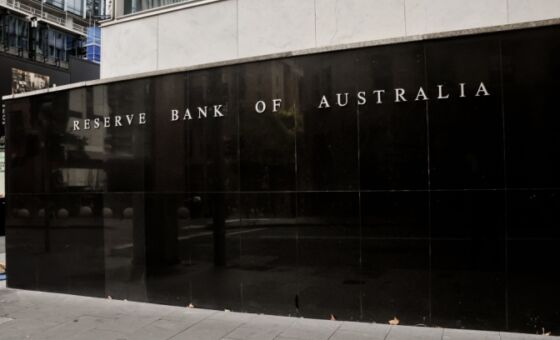





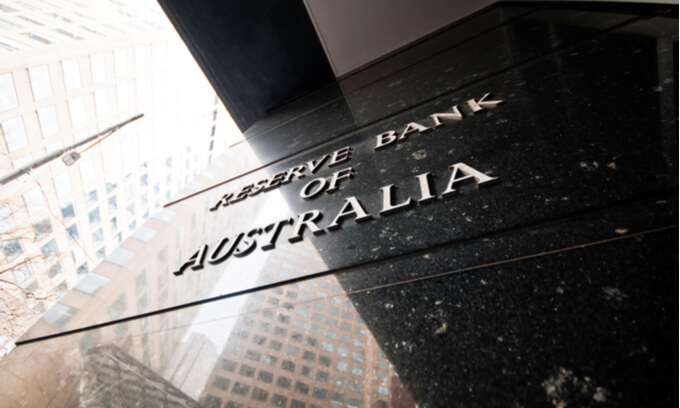
The Reserve Bank of Australia (RBA) has raised the official cash rate by 25 basis points to 0.35%, amidst a backdrop of rising inflation. Borrowers around the nation are now likely to be hit with interest rate increases on mortgages, while savers may see better returns on deposits.
The RBA set the cash rate at the record low level of 0.10% in November 2020, in an attempt to manage the financial effects of the COVID-19 pandemic. While the RBA signalled it did not anticipate increasing the cash rate until 2023 or 2024, recent developments including soaring house prices and an annual inflation rate of 5.1% have forced its hand. The RBA’s Board also said that there will be further rate increases to come.
“The Board is committed to doing what is necessary to ensure that inflation in Australia returns to target over time. This will require a further lift in interest rates over the period ahead,” it said in its statement.
The first rate rise in more than a decade
Today’s hike represents the first time the cash rate has risen in more than a decade, with November 2010 being the last time the RBA lifted it. Interestingly, it is also the first time since 2007 that the RBA has hiked the cash rate during an election campaign.
Former Liberal Prime Minister John Howard, who had campaigned on lower interest rates, went on to be defeated at the polls following the 2007 rate hike. Ahead of today’s announcement, current Prime Minister Scott Morrison said he expected the RBA to do the right thing for the economy.

Borrowers could feel the “full force” of a rate increase
Many Aussie mortgage payers have been on the edge of their seats awaiting this decision and wondering what it could mean for their home loan repayments.
Canstar finance expert Steve Mickenbecker said that Aussies will have to be prepared for lenders to pass the increase on in full for variable rate customers, while the increases on some loans may even exceed the level of today’s increase by the RBA.
“History reveals that home loan rate increases exceed cash rate increases,” he said.
“Between June 2004 and June 2008, the cash went up by 2% and the average variable home loan rate by 2.25%. June 2009 to June 2011 showed a similar trend, with the average variable rate up 1.90% compared to 1.75% in the cash rate.”
“Existing customers will feel the full force of rate increases, unless they have already moved their loan to a fixed rate,” he continued.
“Variable rate borrowers had dodged the bullet until now as fixed home loan rates have rocketed up over the last six months, but will soon feel the heat of interest rate increases.”
RBA cash rate vs standard variable home loan rate over time
How much could your mortgage increase because of the cash rate rise?
Canstar has crunched the numbers on how the cash rate hike could affect hypothetical borrowers with an average owner occupier variable interest rate, based on a range of home loan sizes. The estimates below factor in potential increases in monthly loan repayments, plus the overall impact in terms of additional interest charged over the life of a 30-year loan.
How could a rate rise affect a $500,000 home loan?
- 0.25% rate rise: $68 more in monthly repayments, $24,450 additional interest.
How could a rate rise affect a $750,000 home loan?
- 0.25% rate rise: $102 more in monthly repayments, $36,674 additional interest.
How could a rate rise affect a $1,000,000 home loan?
- 0.25% rate rise: $136 more in monthly repayments, $48,900 additional interest.
Source: www.canstar.com.au - 3/05/2022. Average owner occupier variable rate based on 80% LVR loans. Excludes loans only available to first home buyers and loans with introductory periods. Monthly repayment and interest over the life of the loan calculations based on principal and interest repayments over a 30 year loan term.
The real impact of the rate rise may not be felt for a while
Today’s rate rise could be just the beginning of the pain for Aussie mortgage payers, with Mr Mickenbecker warning that homeowners may need to brace themselves for the impact of further rate hikes down the line.
“The impact of a one-off increase might sound trivial, and the increase in repayments affordable for most, but not when there is already a cost-of-living crisis hitting households,” he said.
“The real impact is a little further down the track, as the Reserve Bank expects to make a succession of increases when it starts moving rates up.”
“History shows that within two years of interest rates starting to rise, rates are 1.5% to 2% higher.
Homeowners need to do their planning to cover that significant increase in repayments.”
→ Concerned about mortgage stress? How to find help
What could a rate rise do for Aussie house prices?
While 2021 saw house prices rise to record levels in Australia, the RBA has predicted that rising interest rates may see them fall in the months and years to come, as rates continue to rise.
Per the bank’s twice-yearly Financial Stability Review (FSR) report, the RBA has said: “Estimates using a model of the housing market that takes into account historical relationships between interest rates and both demand and supply factors suggest that a 200-basis-point increase in interest rates from current levels would lower real housing prices by around 15 per cent over a two-year period.”
While potentially offering a glimmer of good news for people seeking to enter the housing market, this scenario could also spell trouble for people who’ve purchased during the recent property boom if they need to sell quickly and if the value of their property decreases below their original purchase price.
Cover image source: EyeOfPaul/Shutterstock.com