






What is inflation?
Prices tend to increase over time, and we call this inflation. Because inflation means each dollar in your pocket buys you less at the checkout, it also lowers the value of currency.
The inflation rate – usually expressed as a percentage – measures how much prices have risen over a particular period. For example, if something cost $103 today, but it was just $100 last year, it’s experienced 3% annual inflation.
A healthy economy needs some level of inflation, but too much can wreak havoc on household budgets, businesses, and trade. And because inflation is closely tied to interest rates, a spike in inflation usually leads to a rise in rates, meaning your groceries and mortgage could both get more expensive at the same time.
What causes inflation?
There are two main causes of inflation:
Too much demand
If there’s a high demand for a good or service, but there isn’t enough supply available to satisfy this demand, then the good or service’s price will rise.
Think of it like concert tickets; if 100,000 fans are chasing 1,000 seats, ticket prices are likely to climb quickly.
Higher costs
If the cost of providing a good or service rises, this can push up the cost of the good or service itself.
For example, if building materials and labour become more expensive, then the price of new houses will rise.
Why inflation matters to your money
Inflation affects what your money can actually buy, also known as your purchasing power. If prices rise faster than your income, your budget can come under pressure.
When inflation is high:
- Your everyday costs (groceries, fuel, rent) may increase
- Your income may not stretch as far
- Saving can feel harder
- Interest rates are more likely to rise
High inflation can also influence spending behaviour. You might feel tempted to:
- Bring forward big purchases (before prices rise further)
- Cut back on discretionary spending
- Look for better deals or switch providers
Rushing financial decisions can sometimes lead to paying more in the long run, so it’s worth weighing your options carefully.
Is low inflation a good thing?
Not always. While lower inflation can ease cost-of-living pressure, very low inflation (or deflation, where prices actually fall) can signal a slowing economy.
This can lead to:
- Lower business activity
- Higher unemployment
- Reduced wage growth
When inflation is low, people may feel uncertain about the underlying economy, which ultimately means they have lower confidence in their financial future. When people feel uncertain about the future, they may spend less, which can further slow the economy.
Low inflation can also be a cause and effect of high unemployment, as more people out of work leads to lower demand for goods and services.
How inflation affects Australians differently
Inflation doesn’t hit everyone the same way. Your experience will depend on factors like:
- Your income
- Whether you own or rent your home
- What you spend most of your money on
- The amount of debt or savings you have
For example:
- Someone earning a high income may feel price increases less than someone on a lower income
- Homeowners may be more exposed to falling property prices during deflation
- Renters may feel rising living costs more immediately
- Mortgage holders might be hit with higher repayments, as interest rates are linked to inflation
The most obvious effect of inflation is that prices for goods and services rise. When the inflation rate is high, you may find that your money doesn’t go as far as it used to.
If prices rise faster than incomes, this can put pressure on household budgets. It might also encourage people to make investments or major purchases quickly, as hesitating too long could mean paying a higher price later (even if rushing such decisions risks making mistakes that could cost them even more).
Personal circumstances matter, too. For example, someone on a higher income or with regular pay rises may feel less impact from rising costs than someone whose income hasn’t changed. Similarly, homeowners may feel the effects of falling property values more than renters, who are less directly exposed to changes in house prices.
How is inflation measured in Australia?
Even if the cost of individual items are higher today than they were years ago, that’s not enough to accurately measure the national inflation rate.
Inflation in Australia is measured by the Consumer Price Index (CPI), calculated by the Australian Bureau of Statistics (ABS).
CPI measures the change in the price of a hypothetical ‘basket’ of goods and services. It measures prices in 11 different categories of goods and services:
- Food and non-alcoholic beverages
- Alcohol and tobacco
- Clothing and footwear
- Housing
- Furnishings, household equipment, and services
- Health
- Transport
- Communication
- Recreation and culture
- Education
- Insurance and financial services
Different spending categories can affect inflation more than others. For example, housing and grocery costs may take a greater portion of an inflation calculation because they cost the average household more than other expenses, such as phone bills.
How is the CPI basket chosen?
The ABS takes into account data on how Aussies are spending their incomes, including on what goods and services and at what rates, when determining the CPI basket. If regular households are spending more on one particular category, like housing or food and non-alcoholic beverages, this category will likely have a larger weighting in the CPI calculation.
How is price data collected?
The ABS usually collects prices from a range of different sources, like supermarkets and retailers, service providers, government agencies, and even real estate agents. How they collect this data will depend on the type of good or service. For example, scanner and point-of-sale data from supermarkets can give them insight on the price and number of items consumers are buying. Price data for goods and services that are harder to quantify may be collected monthly, quarterly, or annually.
How does inflation affect interest rates?
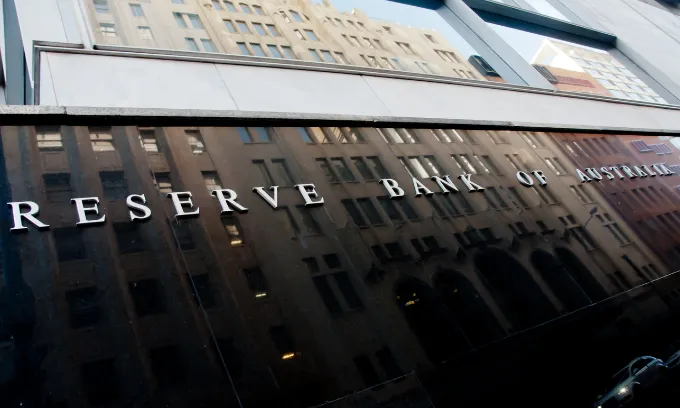
If the ABS are the ‘scorekeepers’ of inflation, the RBA are the ‘goal setters’.
Because high inflation can hurt Australian household budgets and low inflation can indicate an economy that’s in trouble, the RBA sets an inflation target. At present, the annual target rate is between 2% and 3%.
If the inflation rate is outside this band, the RBA may shift the cash rate. If it thinks inflation will be too high for too long, the RBA might raise the cash rate. If inflation is likely to remain too low, the RBA will typically lower the cash rate.
How does changing the cash rate affect inflation?
The cash rate plays a major role in the interest rates that banks charge borrowers and pay out to depositors on products like home loans, savings accounts, and term deposits. In turn, interest rates can influence demand in the economy.
When inflation is too high:
- The RBA may increase the cash rate
- Borrowing becomes more expensive
- Households and businesses may spend less
- Demand slows, helping to ease price growth
When inflation is too low:
- The RBA may decrease the cash rate
- Borrowing becomes cheaper
- Spending may increase
- Demand lifts, helping prices rise gradually
What can you do to protect your finances when inflation is rising?
Rising inflation often adds extra pressure onto household budgets. Here are a few things you can do to help ease the strain:
- Make a weekly or monthly budget and stick to it as best you can. This may help you avoid making unnecessary purchases.
- Reduce your regular expenses, perhaps by switching from branded groceries to lesser-known or ‘home brand’ ones or by cutting back on subscription or streaming services.
- Take advantage of rising rates in savings accounts and term deposits, especially if your current rates aren't competitive compared to the rest of the market.
- Make a list of your financial and household services, like your current home loan rates, premium costs for home, car, and health insurance, and your energy plan prices. Compare these with what’s on the market and see if you can save by switching.