

What is equity?
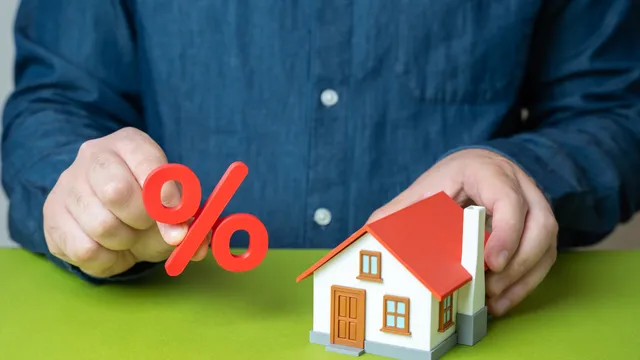
Equity is your ownership stake in your property. It’s the difference between the property’s value and any outstanding loan on it. If your property is worth $800,000 and you’ve got $200,000 left on your mortgage, your equity is $600,000.
You might be able to borrow against the equity in your property. This could go towards all sorts of expenses: renovations, debt consolidation, a Mediterranean summer, or maybe to buy another property.
How does equity work when buying a second home?
Lenders typically only take a portion of your equity as ‘usable equity’. This is generally calculated using 80% of the property value. If the property is worth $800,000 and you owe $200,000, your usable equity would be $440,000 (80% of $800,000, minus the loan).
How do you use equity in your home to buy a second property?
You might be able to use equity in your current property for a deposit towards a second. That means using a home equity loan for an upfront payment on a new property, then usually another mortgage for the remainder.
Say you’ve got $440,000 in usable equity in your home, and you’re looking at an investment property worth $800,000. You could withdraw the $440,000 with a home equity loan, then take out an investment loan for the remainder (remembering you’ll also have to pay stamp duty and other homebuying costs). Since interest rates for investors are typically higher than those for owner occupiers, it might make sense to leverage as much of your usable equity as you’re comfortable with.
Alternatively, you could cross-collateralise, which means both properties are used as security for a single loan. This might be easier to manage than two separate loans, but there’s a greater risk to your home if you default on your repayments.
A general principle recommended by NAB is the ‘rule of four’. That means the maximum you should spend on a property if you’re using your equity is your usable equity multiplied by four.
Can you buy a second property with no deposit?
If you’re using your equity to buy a second property, you might not need to pay anything upfront. You may be able to cover the entire purchase price using your home equity loan and potentially another investment loan.
Keep in mind, though, the deposit isn’t the only upfront cost when you buy a home. You’ll also need to factor in costs like stamp duty and conveyancing. You might be able to borrow extra to cover these expenses, so you truly aren’t paying anything up front, but remember you’ll then pay interest on that extra amount too.
How can you boost equity in your home to buy a second property?
Equity is about the value of your property and the debt you have on it. If you want to boost your equity in your home to buy another property, this can happen either side of that equation.
Increase your property value
As your property goes up in value, so does your equity. If you buy a home for $800,000 and it’s now worth $1,000,000, that’s $200,000 worth of equity even if you haven’t paid off any of the loan.
The property market is obviously out of your control, but you might be able to add value to your property through home renovations or improvements.
Pay off more of your home loan
Every dollar of the principal on your home loan you pay off is added to your equity. If you’re looking to buy a second property using your equity as soon as you can, any payments you make above the minimum will go entirely towards paying down the principal.
Can you use equity in land to finance construction?
If you’re looking to build on land you own, you might be able to use equity you’ve built towards construction. However, land loans sometimes require you to start building within a couple of years of the purchase, which may not leave you much time for your equity to grow.
Can you lose your house if you use your equity to buy another property?
If you use equity in your home to help buy a second property, your home is security for your home equity loan. If you default on these payments, you may risk your property being repossessed. If you take out another investment loan, however, the second property is security, so you won’t lose your home if you default on this loan.
This is part of why lenders consider investment loans higher risk. Presumably if you were running into financial trouble you’d prioritise paying off the loan secured by your house.
Should you cross-collateralise or take two separate loans?
Cross-collateralising and using both properties as security for a single loan can be easier to set up than two separate loans. However, it may also mean you have less control over your properties. If you sell one, your lender might re-evaluate your portfolio and require you to use the proceeds to pay down your remaining debt.