






Property is a popular investment choice in Australia, and as with any investment, there are times that are more suited to buying, holding, or selling. This is usually referred to as the property market cycle, and it’s important for all homeowners, from first home-buyers to seasoned investors, to understand how it works.
What is the property cycle?
The property cycle is the recurring pattern of growth, slowdown and recovery in the property market. While some commentators refer to a ‘seven-year property cycle’ to explain the movement of property prices, the market is complex, and is influenced by various social and political forces.
That said, it’s generally agreed that the property cycle has four phases, and an understanding of these is key to understanding the ups and downs of the market.
How does the property cycle work in Australia?
The four phases of the property market cycle are: boom, downturn, stabilisation and upturn. These four key phases generally go as follows:
The boom phase
This tends to be the shortest phase of a cycle. During the boom stage, real estate prices increase rapidly—often by more than 20% each year. In the boom phase, demand from investors and aspiring homeowners pushes up property prices, to the benefit of those who already own property.
Each boom brings a whole new generation of investors into the market and at the same time, would-be homeowners push up demand for houses. Together this leads to increasing property prices, usually to the benefit of investors and existing homeowners. Builders and developers generally then flood the market with new properties to meet the increasing demand.
The downturn phase
Booms are generally followed by a downturn or slump phase, often characterised by an oversupply of properties, due to the over-exuberant activity of builders and developers during the preceding boom. This can result in increased vacancy rates and decreasing rental prices, as renters and first home buyers suddenly have more options. Property prices tend to stop growing and can sometimes drop by around 10% or so in this phase. This can leave borrowers in negative equity, especially if they recently took out larger home loans.
The downturn phase typically lasts a number of years, but prolonged booms may be followed by longer and deeper downturns, with a greater likelihood of prices falling further.
The stabilisation phase
Eventually, the market stabilises. Falling interest rates and rising demand set the stage for the next property upturn.
But prices generally don’t escalate overnight. Buyers tentatively move back into the market, but since the number of buyers and sellers is in rough equilibrium, property prices remain flat or only move up slowly. This can be a time of opportunity, yet it’s not easily recognised by most homeowners or investors.
The upturn phase
In time, the cycle moves into the upturn phase, when vacancy rates typically slowly fall, rents start to rise and property values increase.
At this stage of the cycle (which could last three or four years) property is generally affordable, returns from property investments can be attractive and more home buyers and investors begin to enter the market. This is also when many builders and developers begin work on new projects, aiming to have them completed by the late upturn or boom phase of the cycle.
At the end of the upturn phase, real estate prices will have risen substantially and property starts to become less affordable for many Australians. This is where the cycle begins again.
“Due to the cyclical nature of Australia’s property cycle, each boom sets Australia up for the next downturn, just as each downturn sets the scene for the next upturn,” says Michael Yardney, the founder of Metropole Property Strategists. “The good news is property value slumps are only temporary, while the long-term escalation of property values in our capital cities is seemingly more permanent.”
How long do property cycles usually last?
A property cycle doesn’t necessarily last a fixed period of time. But looking back over recent decades, property growth in Australia has peaked in the following years: 1981, 1987, 1994, 2003, 2010, 2017 and 2022. It’s easy to see why some people feel property cycles in Australia last around seven years.
Digging deeper into the stats, it’s clear that over the past 40 years, well-located capital city properties have seen their values double every 10 years or so. However, at some stages of the cycle values increase, and at other times they stay flat or decrease.
While most cycles do seem to last between seven and nine years, the length of a particular property cycle can be affected by a combination of factors such as interest rates, inflation and consumer confidence.
At times, government policy can lengthen or shorten the cycle by changing economic and tax policies. A recent example of this can be seen in proposed changes to the CGT tax discount and negative gearing which has led to a drop of 3.1% nationally in the September 2026 quarter according to data from Cotality.
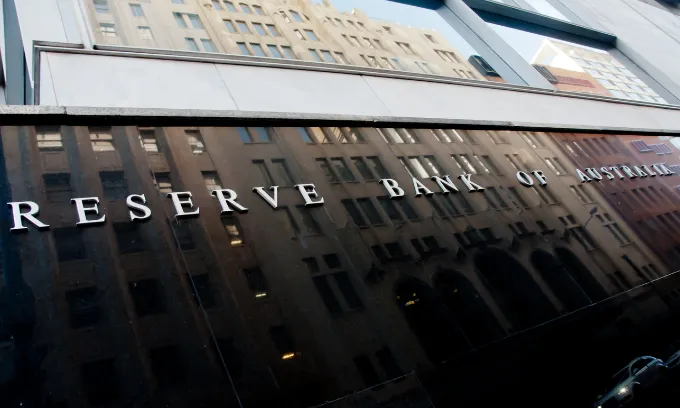
The Reserve Bank of Australia (RBA) also influences property market cycles through its decisions on whether to cut, hold, or raise the cash rate, which in turn affects interest rates. This can either encourage or discourage consumers from borrowing and spending.
For example, the most recent property boom phase, which ended around early 2022, was prolonged by a lengthy period of falling interest rates. It eventually came to an end as affordability dropped, exacerbated by a lack of new properties being built, as well as the 13 straight cash rate rises from May 2022 to November 2023.
How much does emotion drive property cycles?
“Our property markets and the fluctuations of the property cycle can be driven by emotional responses,” says Mr Yardney, adding that this was evident during the last boom, as rising property values created FOMO, or the fear of missing out.
“Australian property markets may also often ‘overshoot’. That is, they may move more drastically than the fundamental influences would seem to require—on the upside as well as the downside” suggests Mr. Yardney. He adds that these larger swings are often driven by a ‘herd mentality’, which can influence people’s home-buying decisions, often to their detriment.
“Home buyers and investors tend to be at their most optimistic near the peak of a property cycle, at a time when they should be the most cautious. They’re also the most pessimistic when media outlets espouse the doom and gloom of the bottom of the cycle, when there could be the least risk involved.
“The fact is, market sentiment is one of the key drivers of property cycles and one of the reasons why our markets tend to overreact, overshooting the mark during booms and falling deeper during slumps.
“During the boom phase of the property cycle, home buyers and investors experience FOMO as they see property prices going up all around them. They’re worried they may miss out on the profits the boom has delivered to other property owners.
“On the other hand, during the downturn phase of the cycle the opposite occurs—FOBE (Fear of Buying Early). This assumption that the slump in values could continue and prices could drop even further stops many homebuyers and investors from taking a chance on a property at the time.
Does all of Australia follow the same property cycle?
While you may see generalisations about the ‘singular Australian property market’, there are many markets within it, often called ‘submarkets’.
Each state and territory is different, and each can simultaneously be at a different stage of its own property cycle. Even the different regions in these submarkets are themselves segmented by geography, price points, and the types of property available.
For example, the more expensive end of the market will tend to perform differently to the new home buyers’ market, which is different again from the investor segment or the established property sector.
Although different states and territories are usually at different stages of their own cycles, during the last property boom almost every property in Australia increased in value. Each of these submarkets, however, are influenced depending on their local economic conditions, population growth/decline, and supply and demand for properties.