





What is a building inspection?
When buying a home, you can conduct a visual inspection yourself, but unless you really know your stuff, there may be numerous defects and faults that you’d never notice. This is where a qualified building inspector can come in.
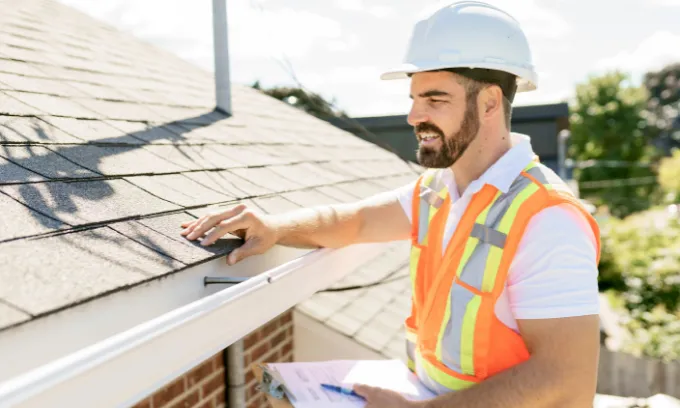
A building inspection is conducted by a licensed professional to assess the state and condition of a building. They’re usually carried out before you buy or sell a property, to bring any major or minor structural defects to light.
After conducting their assessment, a building inspector will write up a report outlining their findings. This may include details of hazards and defects, as well as things they have noticed that may cause problems further down the track.
From a buyer’s perspective, a pre-purchase building inspection can provide valuable peace of mind. It may also be a condition of the contract, meaning that you may be able to withdraw from a contract of sale if it uncovers anything significant.
From a seller’s perspective, conducting a building inspection before selling may highlight any problems with your property that need fixing before you put it on the market.
How much does a building inspection cost?
The cost of a building inspection can vary depending on factors such as the size of the building, its location, and the type of inspection required. To give you a rough idea, online trades services website Hipages gives a range of estimates, saying:
- Small home: $100-$250
- Average-sized home (regional): $500-$750
- Average-sized home (metropolitan): $800-$1,200
It’s quite common to have a pest inspection done alongside a building inspection. Online service marketplace ServiceTasker says that a combined building and pest inspection will cost around $500-$1,000 for a typical home.
How much does a building inspection cost in your city?
According to ServiceTasker, here’s how the cost of a building inspection typically shakes out in some of the nation’s capitals:
City | Average building inspection cost |
Sydney | $400-$800 |
Melbourne | $350-$750 |
Brisbane | $300-$700 |
Perth | $280-$600 |
Adelaide | $300-$600 |
Regional areas | $250-$500 |
ServiceTasker also notes a number of more specialised inspections you may need, depending on your property. The average price ranges for some of these include:
- Asbestos inspection: $300-$600
- Mould inspection: $300-$700
- Pool inspection: $100-$250
- Septic system inspection: $200-$500
- Radon tests (if required): $200-$400
What affects the cost of a building inspection?
The cost of a building inspection is usually quoted and may vary depending on a number of factors, including:
The type of inspection: This may affect the time it will take and whether there are any technical requirements. For example, NSW Fair Trading says specialist inspections for mould or pests are likely to cost extra and inspectors are unlikely to include matters outside of their expertise. This means that an inspection which involves plumbing, electrical, or gas may require a licensed plumber or electrician in addition to a licensed building inspector.
The type of property: This may affect the type of inspection required and the time it will take. For example, according to building inspection company Jim’s Building Inspections, an apartment above the first floor may have a lower risk of termite or other pest-related damage. It could be worth seeking advice from a solicitor, conveyancer, or inspector if you’re unsure about which inspections you should request.
The size of the property: The size of the property being inspected may affect the price, as a one bedroom apartment will generally require less time to inspect than a five bedroom home, according to Hipages.
Your location: The cost of your inspection may vary depending on your state, where you live within the state, and the level of demand for these services in your area.
Building inspection packages: Some building inspectors offer packages with a range of inclusions. For example, it may be cheaper to purchase a package that includes pest inspection, rather than conducting a building inspection and a pest inspection separately.
What does a building inspection cover?
According to online real estate agent specialist, OpenAgent, a building inspection report will generally include the following aspects of a property:
- Plumbing, such as taps, toilets, and drainage systems
- Assessment of the walls, ceilings, and windows for sagging or damp stains
- Checks of all the doors and windows
- Visible framework damage, such as rust
- Additions and alterations to your home and whether they comply with Australian building standards
- Roof, roof space and guttering
- Exterior features such as driveways, fences and non-structural retaining walls
Further assessments can also be made if the initial inspection uncovered signs of more serious problems, such as sinking, structural, or foundational damage.
Why get a building inspection?
Depending on your situation, a building inspection could come in handy for the following reasons:
Buying a home
Once you buy a property, the contract has settled and all the cooling-off periods have passed, any further damage or problems that may arise are your responsibility. Therefore, having a better idea of the condition of the property before you buy may be worthwhile.
OpenAgent says that being aware of some of the property’s weak points in advance may also provide you with leverage when making an offer or negotiating the price of the property. You may also be able to ask the seller to fix some of the identified problems prior to settlement, particularly if there are significant safety issues uncovered.
Selling a home
OpenAgent also says the peace of mind afforded by having done an inspection is often a benefit during the sale process, as it may help to close the sale more quickly.
Your current home
It can also be beneficial to have a building inspection conducted in your current home, regardless of whether you are planning on buying or selling. According to NSW Fair Trading, an inspection can help you identify hazards and defects so that you can stay on top of maintenance and repairs, or prepare for any renovations that you may have planned.
How to ensure you’re getting the best quote
As with any jobs that require a quote, it’s worthwhile to do your homework before you hire someone to conduct your building inspection, as the cheapest quote is not necessarily the best.
According to Jim’s Building Inspections, you should keep the following considerations in mind when choosing an inspector:
- Their experience level
- Their qualifications, keeping in mind the requirements in your state or territory
- The contents of their quote and whether they require any specialist equipment
- Whether they’re covered by appropriate insurance
- The quality of their building reports, bearing in mind that many companies offer examples of their reports online