





Top 10 best suburbs in Brisbane to invest in 2026
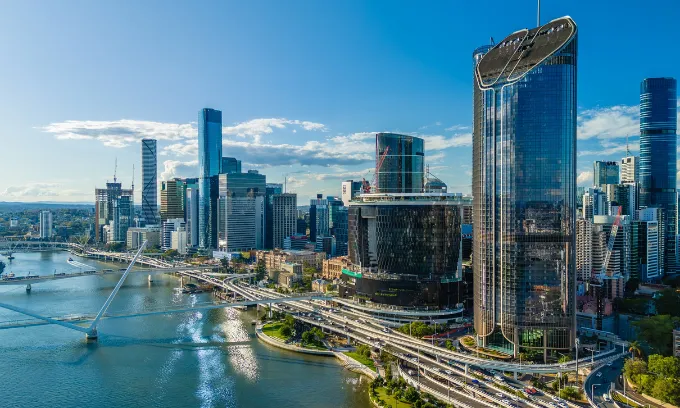
Home to the iconic river affectionately known as the ‘Brown Snake’, Brisbane has been one of the country’s best performing capital city property markets over the past five years, second only to Perth for price growth. But for investors looking for the best Brisbane suburbs to invest in, it can be tricky to know where to start.
The ‘best’ suburb in Brisbane will vary based on your budget, strategy, and risk tolerance, and investors have various opinions on what positions a suburb among the ‘best’ in its class. One might consider vacancy rates the deciding factor, while another might see local economic growth or buyer demand as more compelling factors.
For our purposes, we’ve considered Cotality data highlighting suburbs in the greater Brisbane area boasting the largest annual growth in median property values from mid-2025 to mid-2026:
Rank | Brisbane suburb | Median value | Annual change |
|---|---|---|---|
1 | Beaudesert | $933,746 | +20% |
2 | Sherwood – Indooroopilly | $1,281,099 | +20.4% |
3 | Beenleigh | $927,245 | +19.4% |
4 | Nundah | $1,216,889 | +18.8% |
5 | Springwood – Kingston | $922,492 | +18.7% |
6 | Forest Lake – Oxley | $1,012,441 | +18.6% |
7 | Loganlea – Carbrook | $1,003,001 | +18.2% |
8 | Caboolture | $956,142 | +18.1% |
9 | Sandgate | $1,141,245 | +17.9% |
10 | Springfield – Redbank | $958,532 | +17.8% |
Source: Cotality, August 2026
What do you need to know about the Brisbane property market in 2026?
For a while, Brisbane felt like Australia’s property boom town, finally joining the heavy-hitters of the nation’s property market, with dwelling values jumping by in the 12 months from July 2025 to July 2026. In recent months, though, we’ve seen Brisbane’s explosive growth start to slow.
According to Cotality data, dwelling values in Brisbane fell by 0.6% in July 2026, following a 0.2% increase in June.
As of August 2026, the median dwelling value in the city is $1,104,094, down from $1,126,149 in July. The median house value is $1,207,039, with units priced at a median $875,135.
Other considerations:
- Vacancy rates: Brisbane’s rental market is tight, and demand is surging. The vacancy rate in 2026 is around 0.9%, which is indicative of a supply shortage.
- Sales volumes: Property sales in Brisbane have dropped by 7.2% in the 12 months to July 2026, according to Cotality.
- Rental growth: Brisbane’s rental rates grew by 6.6% between July 2025 and July 2026.
- Rental yield: Rising rents and tight supply have contributed to Brisbane’s high rental yield of 3.4%, as of July 2026. The median weekly rental price is $750 for houses and $800 for units, according to RealEstate.com.au’s August data.
- Infrastructure spending: The Queensland Government’s 2026-2027 Budget commits $55.9 billion to transport and road upgrades, and $2 billion into the state’s Residential Activation Fund to support new housing supply. Brisbane will also benefit from a major expansion to the Princess Alexandra Hospital.
Why is price growth slowing in Brisbane?
Alongside general cost of living pressures and core inflation rising, several key factors may be contributing to the slowdown and may explain why investors seem to be stepping back. These include:
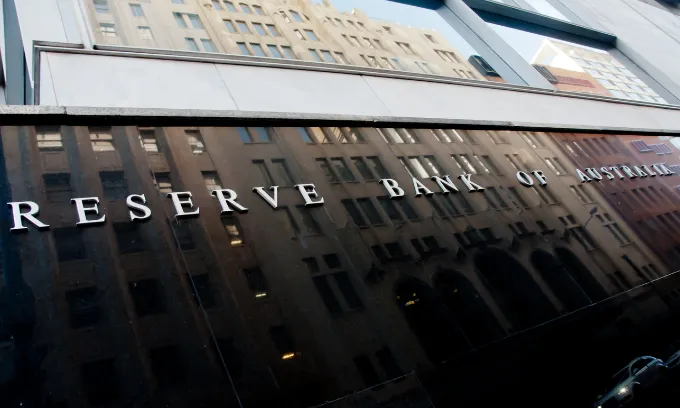
- A series of RBA cash rate rate hikes starting in early 2026: These pushed the cash rate to 4.35% before a pause in June, leading lenders to increase home loan rates and putting the squeeze on borrowers who were already feeling cost of living pressure.
- Proposed changes to negative gearing and CGT in the 2026 Federal Budget: Coming changes to these long-standing rules are attempts to drive investors towards new builds over existing properties.
Brisbane property market forecast: where to from here?
Economists at the nation’s big four banks make forecasts about what’s to come for dwelling prices in the nation’s major property markets.
The big banks generally agree that growth in Brisbane will continue to slow into 2027, but are split as to exactly how much by.
- ANZ: Economists at ANZ predict that dwelling prices in Brisbane will rise 9.7% in 2026 and 1.4% in 2027.
- CommBank: Economists at CommBank predict that dwelling prices in Brisbane will drop 1% this year, but rise by 2% in 2027.
- NAB: Economists at NAB predict Brisbane dwelling prices to rise by 2% over 2026 and 2% in 2027.
- Westpac: Economists at Westpac predict that dwelling prices in Brisbane will rise 9% in 2026 and 3% in 2027.
Other considerations
- Infrastructure spending: The Olympics and Paralympics are coming to Brisbane in 2032. Much of the infrastructure spending will be focused on the inner-city, around Victoria Park, the site of a new 63,000-seat stadium. The city’s Cross-River Rail Project and expected infrastructure upgrades are also expected to drive long-term growth.
What to watch out for when buying Brisbane property
The Greater Brisbane area currently accounts for approximately 49% of the Queensland population, with around 2.8 million residents. The Australian Bureau of Statistics predicts this will increase to over three million residents by 2030.
Aside from pricing and demand trends, there are other factors to consider when buying property in Brisbane.
- Flood, fire, and disaster risk: Some suburbs or locations may be at more risk of severe flooding, bushfires, cyclones, etc. Flooding is a particular concern in Brisbane, as the city itself is built on a floodplain, and experienced recent, large deluges in 2011 and 2022. If you’re thinking of purchasing in the city, it’s important to do your homework and check flood maps to see if the property is in an affected area.
- Transportation: Brisbane’s public transport networks include buses, trains and ferries. However, suburban areas might not be as well connected as those closer to the CBD.
- Local services and amenities: Most of Brisbane is well connected to healthcare, education, shopping, and other amenities and services. Newer and developing suburbs may not yet have the same facilities as more established areas.