


.webp?w=2048)







What is the average electricity price per kWh?
Electricity retailers generally charge between 24c and 45c for every kilowatt hour (kWh) of electricity used, depending on your state, electricity distribution network, and electricity tariff.
The cost of using electricity is referred to as a ‘usage charge’ or 'usage rate'. A usage charge is the cost of every kWh of electricity used.
The table below shows the average usage rate per kWh for single rate tariffs based on electricity plans available from providers in the Canstar database.
State | Distributor | Average usage rate | Lowest usage rate |
NSW | Ausgrid | 32.3c/kWh | 26.4c/kWh |
NSW | Endeavour Energy | 32.7c/kWh | 26.2c/kWh |
NSW | Essential Energy | 34.4c/kWh | 28.3c/kWh |
VIC | CitiPower | 25.1c/kWh | 19.0c/kWh |
VIC | Jemena | 26.5c/kWh | 20.7c/kWh |
VIC | Powercor | 27.3c/kWh | 21.2c/kWh |
VIC | AusNet Services | 30.9c/kWh | 24.5c/kWh |
VIC | United Energy | 26.4c/kWh | 20.4c/kWh |
QLD | Energex | 27.9c/kWh | 22.3c/kWh |
SA | SA Power Network | 41.5c/kWh | 33.9c/kWh |
ACT | EvoEnergy | 32.1c/kWh | 25.3c/kWh |
TAS | TasNetworks | 28.8c/kWh | 24.8c/kWh |
Source: www.canstar.com.au - 4/09/2026. Based on single rate electricity plans on Canstar's database; excluding solar-only plans. Representative customer based on the 2025 reference usage for NSW, VIC, QLD, ACT, and SA (per Victorian default offer for VIC, ICRC for ACT, and AER for others) or the median usage in the Office of the Tasmania Regulator's report, Typical Electricity Customers in Tasmania 2025 for TAS.
South Australians, on average, pay the highest electricity prices per kWh, in addition to often missing out on the big discounts and bonus perks frequently available in other states.
In comparison, households in VIC and TAS generally pay the lowest prices per kWh.
Keep in mind that usage charges are one of two charges that need to be paid on any energy plan, the other being supply charges. A supply charge is a fixed cost (in c/day) you pay to remain connected to the grid.
To start with, click on the ‘Get Started’ button at the top of the page (above the comparison table). You’ll then be asked a few qualifying questions, such as your postcode, before we take you to the results page.
Here, you’ll be shown the cheapest energy plans on our database that are available at your postcode.
You can filter the results to further narrow your search:
- Single rate, ToU or controlled load tariffs (for electricity only)
- Monthly, quarterly, or yearly estimated cost
- Deals, discounts, and offers.
You can also sort the results based on the following presets:
- Estimated price (ascending or descending)
- Provider names alphabetically (ascending or descending)
- Feature rating (from highest stars to lowest stars, or vice versa)
- Solar FiT for electricity only (from highest to lowest, or vice versa)
- Comparison price for electricity only (from highest to lowest, or vice versa).
What is a kWh?
A kWh stands for ‘kilowatt hour’, which is a unit of energy measuring how much electricity your home has used.
K stands for ‘kilo’ or 1,000, W stands for ‘watt’, which is a measure of power and ‘h’ stands for hour.
Appliances are often described in terms of their wattage or the power they require to run. If you run a 1,000 watt (1kW) appliance for one hour, then that will use one kWh. If you run a 5kW air conditioner for one hour, then that would use 5kWh of electricity. One 100 watt light bulb, on the other hand, would take 10 hours to use one kWh.
What’s the difference between a kW and kWh?
A kW is a measurement of power showing how much energy an appliance uses, while a kWh is a unit of energy measuring how much power is used hourly.
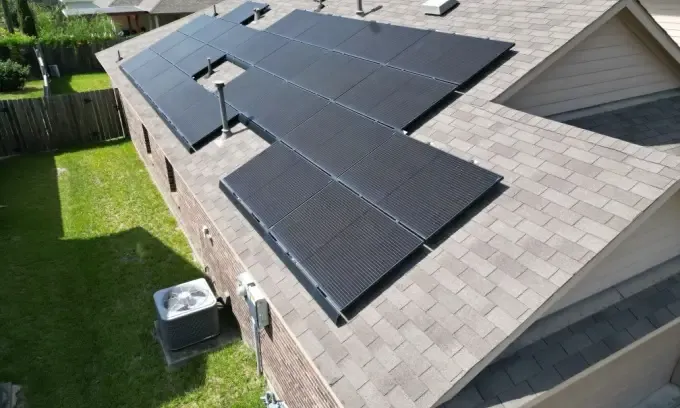
For example, a 4kW solar panel system has a maximum power output of 4kW. If that output was sustained over an hour, then the solar system would produce 4 kWh of electricity. If it maintains that solar output for four hours, then that system will produce 16 kWh.
How are kWh prices calculated on your electricity bill?
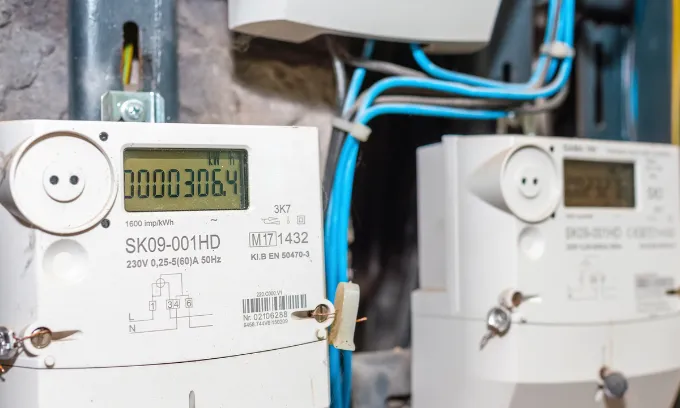
Your home’s electricity usage (in kWh) is recorded by your electricity meter and passed on to your retailer for billing. If you read your electricity bill, you’ll be able to see how many kWhs were used according to the meter.
If you have a smart meter installed, your usage data will be transmitted remotely to your provider in real time.
If you’re still running a legacy meter, your provider will have to send someone to your home to conduct a manual meter read. Your energy company may have to estimate your usage if your meter cannot be accessed safely.
However, the kWh cost of your electricity use is only one part of your electricity bill. Other contributors are:
- The daily supply charge: Regardless of how much electricity you’ve used, you’ll have to pay a daily supply charge on all electricity plans.
- The usage rates of the distribution zone you live in: As seen in the first table above, different distributors charge different usage rates. This cost is determined by factors such as transmission and wholesale purchase costs.
- Your electricity tariff: A tariff refers to an electricity plan’s pricing structure. Here are some common tariffs in Australia:
- Single rate: Electricity rates remain the same regardless of the time of day.
- Time of use (ToU): Different rates depending on when you use electricity — peak, off-peak, and shoulder periods. To access a ToU tariff, you’ll need to have a smart meter installed.
- Controlled load (CL): Energy-intensive appliances, like pool pumps, are metered separately from your home. To be eligible, you’ll need to have a CL meter or a smart meter installed. If you have neither, contact your distributor (the grid) to install one.
Where do I find a retailer's electricity price per kWh?
Energy retailers are required to publish their plans’ exact costs in their price fact sheets, including a plan's electricity prices per kWh.
In NSW, SA, QLD, TAS, and ACT, these sheets are called Basic Product Information Documents (BPIDs). In VIC, they're called Victorian Energy Fact Sheets (VEFs).
In these documents, you will find all the details you need to make an informed decision about that retailer’s electricity price per kWh.
Some places you can find energy price fact sheets are a retailer's website, in your welcome pack, and Canstar
While energy price fact sheets can differ between states, the details about electricity usage costs per kWh usually appear at the top of the page.
Be sure to focus on the electricity usage rates that include GST, as this will be what you actually pay.
If you have a flexible pricing tariff, your fact sheet will also show the varying usage charges based on time of use or block rates.
How do I find a plan with the best electricity price per kWh?
When comparing electricity plans, here are a few features to look out for to get the best overall value:
- Shop around: Start by comparing energy plans and reading their price fact sheets. A plan with a lower usage and supply charge equals a lower cost per kWh.
- Discounts: Typically apply to usage or usage and supply rates for a period of time. Some discounts may only apply if certain conditions are satisfied, like paying on time or setting up direct debit payments.
- Bill credits: Some retailers offer credits off bills to customers who sign up online or bundle their utilities with the same company, such as electricity and gas, or even internet. Energy bill credits are either a once-off or an ongoing feature.
Keep in mind that generous deals, bill credits and rewards programs could be hiding much higher electricity rates. In this situation, you may end up paying more than you’re actually saving. Always study all of a plan’s features instead of just focusing on one.

.webp?w=640)
![Electricity price changes in Australia [July 2026]](https://cns-payload-prod-01-content.global.ssl.fastly.net/payload-media/169%20Ratio%20Images%20(640px%20x%20360%20px)%20(1).webp?w=640)