


Bunnings launches backyard tiny homes as Aussies look for cheaper housing

 04 Feb 2026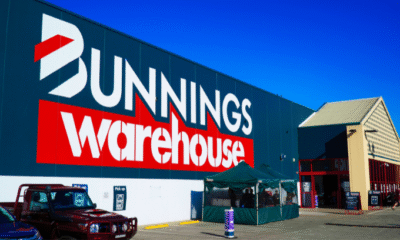
Bunnings has taken a step into the growing tiny housing market, launching modular tiny home pods designed to offer Australians a lower‑cost alternative to traditional builds or extensions. The move reflects growing interest in compact, prefab housing solutions as affordability pressures persist across the nation—meaning you can now pick up a new home along with your Saturday snag, though this purchase might be a bit harder to fit in the back of the ute.
The humble backyard shed gets a prefab upgrade
Partnering with Australian modular housing company Elsewhere Pods, Bunnings is offering two backyard ‘pods’ aka tiny homes:
- The smaller backyard pod measures 2.7 metres by 2.4 metres coming in at approximately $26,100.
- A larger studio pod, measuring about 4 metres by 2.4 metres, is listed for approximately $42,900.
Bunnings advertises that both pods can be assembled in as little as two to three days, making them an appealing DIY project for homeowners with available backyard space. The manufacturer has described them as “the ultimate DIY backyard project” with applications from workspaces to guest retreats.
A rising market for prefab and modular housing
The tiny housing movement is part of a broader trend that’s gaining traction in Australia, with kit homes, prefab builds and modular structures emerging as alternatives to conventional construction. Major lenders and builders are paying attention, and industry forecasts suggest the market for small, modular and backyard housing could grow significantly over the coming decade.
In a recent report released by Mordor Intelligence, Australia’s prefabricated building market, which includes tiny homes, was worth US$7.68 billion in 2024 and is expected to grow to US$12.25 billion by 2030. That’s nearly 8% growth each year in a sector that could include your future home.
How Bunnings’ pods compare with broader tiny home costs
Our guide to building a tiny house shows that prices vary widely depending on size, design, level of finish and whether the build is DIY, prefabricated or custom. Fully functioning tiny homes can range from the tens of thousands into the six‑figure range once fit‑out, utilities and compliance elements are included.
This makes the Bunnings DIY pods a relatively low‑entry option, particularly if you already own suitable land and are comfortable managing installation and local government act (LGA) compliance.
What these pods don’t include
While the cost of a DIY tiny home is indeed eye‑catching, buyers should be clear about what’s included—and what isn’t. The prices quoted relate to the basic shell and structure. Foundations, utilities, site preparation and council approvals typically sit outside the advertised cost and can add materially to the overall spend.
What to consider before diving into your next DIY project
As with any modular or prefab home product, always consider:
- Council and planning rules, which vary significantly by location and may affect what you can install without approvals;
- Total costs beyond the listed price, including site work and connections;
- Financing, as many lenders treat non‑traditional dwellings differently from conventional home loans; and
- Intended use, whether for occasional use, rental or full‑time living.
Is a DIY tiny home for you?
Bunnings’ entry into backyard tiny homes adds another consumer option in the search for more affordable and flexible housing solutions for Australians. For some homeowners, options like this could provide practical extra space at a lower cost than traditional extensions. For others, particularly those planning long‑term living or investment use, they may represent just one piece of a broader housing strategy.
As always when it comes to property and major purchases, doing the sums carefully and understanding all the costs involved is key to making an informed decision.
This article was reviewed by our Consumer Editor Meagan Lawrence before it was updated, as part of our fact-checking process.