






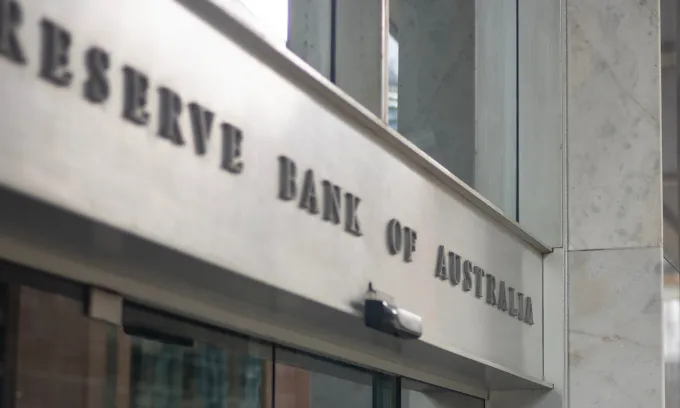
The RBA is set to hit pause at its next meeting in June to give the Board, and the country, time to assess the impact of both the war in Iran and the three cash rate hikes already inflicted on households.
This comes as Australia’s unemployment rate jumped to 4.5% in the April data, the highest seasonally adjusted rate since November 2021.
While this is only one piece of data, in one dataset, it comes following the release of the RBA’s May Board minutes on Tuesday, which said the hike to a cash rate setting of 4.35% would give it “space to see how the conflict in the Middle East develops and Australian households and businesses respond.”
Cash rate hikes could still be on the horizon
NAB has revised its cash rate forecast this afternoon, on the back of this data. It still expects the RBA will increase once more, but not until August, instead of June as previously expected.
As a result, all four major banks now expect the RBA to keep the cash rate on hold at its next meeting on 15 – 16 June, however, only CBA and ANZ expect it to be the end of the rate hiking cycle.
Current big four bank | ||
|---|---|---|
Bank | Forecast | Cash rate - |
CBA | No change | 4.35% |
Westpac | 2 x 0.25 in | 4.85% |
NAB | 1 x 0.25 in Aug | 4.60% |
ANZ | No change | 4.35% |
Impact of a 0.25 cash rate hike in August
For someone with a $600,000 mortgage and 25 years remaining at the start of the hikes, another 0.25 hike in August would increase a borrower’s monthly repayments by $92.
Across what would then be four hikes for the year in February, March, May, and August, the total increase would be $364.
Impact of four 0.25 rate hikes | ||
|---|---|---|
Debt | August | Total increase |
$600,000 | +$92 | +$364 |
$800,000 | +$122 | +$485 |
$1 million | +$153 | +606 |
Source: Canstar. Based on an owner-occupier paying principal & interest with 25 yrs remaining in Feb 2026 on the RBA av. variable rate. Calculations assume banks pass on the hikes the month after. Changes are to minimum repayments.
Borrowers should use this time wisely
Canstar research shows an owner-occupier who took out a new mortgage five years ago and hasn’t renegotiated their loan since will now be on a variable rate of 7.01%.
By switching to a highly competitive rate of 5.99%, a borrower with a $600,000 loan could potentially save over $11,000 in the next two years, even when factoring in $1,150 in switch costs.
Potential impact of | |||
|---|---|---|---|
| Rate | Cost - | Difference |
Do | 7.01% | $82,875 |
|
Refinance | 5.99% | $71,790 | -$11,085 |
Source: Canstar. Notes: calculations are estimates based on an owner occupier who took out an average variable rate mortgage 5 years ago and has not renegotiated since. The person now has $600k debt and 25 years remaining. Savings include interest and switch costs of $1,150 but not ongoing fees or extra repayments.
A pause in June will offer a much-needed breather
Canstar’s Data Insights Director, Sally Tindall, says, “The RBA’s May Board minutes were already pointing towards a likely pause in June to give the Board time to assess the impact of the war in Iran and the last three cash rate hikes. Today’s unemployment figures give it another reason to do just that.”
“While one month of data doesn’t make a trend, the jump in unemployment suggests higher interest rates could now be starting to bite.
“A pause in June will offer a much-needed breather, however, borrowers shouldn’t mistake it for a peak.
“Westpac and NAB still expect further hikes, while CBA and ANZ are expecting this level of pressure to remain for the foreseeable future. In short, the cost-of-living crisis isn't going anywhere.
“While a hold in June is by no means guaranteed, this potential reprieve is a window to shop around and shore up your budget.
“If you are now sitting on a rate starting with a 7, you’re essentially paying a big fat loyalty tax to your bank, especially as an owner-occupier.
“Canstar research shows borrowers who haven’t reviewed their loan in years could potentially save more than $11,000 over two years simply by switching from an average variable rate to one of the more competitive offers currently on the market.
“Banks are still fiercely competing for quality borrowers. Even after this latest hike, there will still be around 40 lenders with at least one variable rate at 5.99 per cent or below.”