






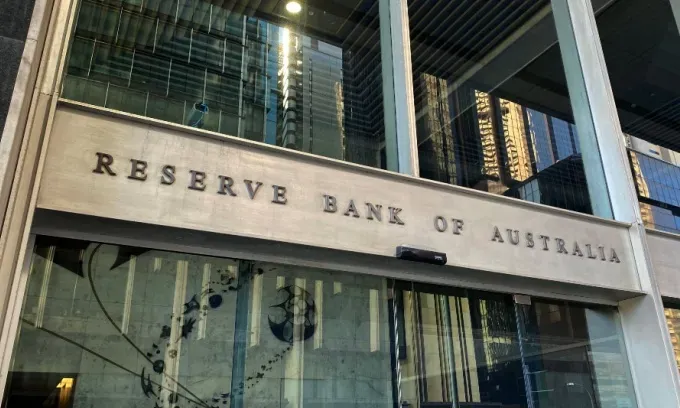
The Reserve Bank of Australia (RBA) hiked the cash rate by 25 basis points to 4.35% on Tuesday afternoon. While the news may be hard for mortgage holders to hear, savers are poised to benefit from rising rates.
Despite the most recent inflation figures coming in softer than some economists expected, inflation was still outside the RBA’s 2% to 3% target band in March. That was the case even before fuel prices skyrocketed on the back of conflict in the Middle East, undoubtedly affecting inflation.
Most economists forecast that the RBA will keep rates on hold for the rest of the year while the effects of three 2026 hikes take hold, though Westpac thinks two additional hikes may be necessary, in June and August 2026.
What does a May hike mean for mortgage holders?
Today’s move marks the third hike in the current cycle and puts many of Australia's mortgage holders back where they started. It effectively cancels out any savings realised from last year's three rate cuts and wipes out repayment buffers for households that chose not to lower mortgage costs during the cutting cycle.
Canstar calculates that, for someone who had a $600,000 mortgage and 25 years remaining at the start of this year's hikes, today’s 0.25% cash rate hike would increase their monthly repayments by $91.
That would see them paying $272 more each month than they were prior to what is now a three-hike-cycle (with the RBA having also hiked in February and March) .
Impact of three | ||||
Debt | Feb | March | May | Total |
$600,000 | +$90 | +$91 | +$91 | +$272 |
$800,000 | +$120 | +$121 | +$122 | +$363 |
$1 million | +$150 | +$151 | +152 | +$453 |
Source: canstar.com.au. Based on an owner-occupier paying principal & interest with 25 yrs remaining in Feb 2026 on the RBA av. variable rate. Calculations assume banks pass on the hikes the month after. Changes are to minimum repayments.
Canstar's Data Insights Director, Sally Tindall, says mortgage holders should do the maths to work out the impact of not just today’s rate hike, but two more in the future, as per Westpac’s forecast, to make sure they’re financially ready.
“While this prediction is still an outlier, it’s better to be overcooked on the mortgage than underdone.”
How do rising rates affect Australia's savers?
It’s important to remember that rising interest rates don’t just affect loans, but deposits too.
Australians with money deposited in savings accounts could receive extra returns if banks pass on today’s rate hike. Term deposit interest rates may also rise, though current depositors would need to wait until their deposits reach maturity before switching to a higher rate.
Extra interest earned on deposits could offset some of the budgetary impact of higher inflation and fuel prices. Deposit accounts with interest rates above the current inflation rate stop your money from effectively going backwards.
Though, make sure you also factor fees and taxes into your calculations. Plus, top-tier savings account interest rates tend to require depositors to jump through hoops each month to qualify for a bonus rate, and missing a single step could see them swapping a market-leading rate for a far lower base rate.