

What is stagflation? Meaning, causes and impacts

 21 Apr 2026
There’s a lot of buzz surrounding Australia’s economy right now, and some experts are flagging that we could see the return of stagflation–but what does that actually mean for your wallet?
What is stagflation?
Stagflation is a combination of two words: ‘stagnation’ and ‘inflation’. It refers to an economic condition where three things are happening:
- slow economic growth,
- high unemployment, and
- rising prices
The first two are signs of economic stagnation, while the third is a sign of inflation. When all three occur at once, the economy is said to be in a period of stagflation.
Australia felt the effects of stagflation in the 1970s due to oil shocks. Back then, inflation was already high when unemployment increased. This eventually led to a recession in 1982.
Over the next few years, stagflation cooled due to factors including the stabilisation of oil prices and supply and policy changes.
Given the recent oil shock brought on by the war in Iran, some economists have been flagging that we could potentially see the return of stagflation.
Is Australia at risk of stagflation in 2026?
Given the current oil shock brought on by the war in Iran, there’s a risk that history could repeat itself.
That said, if Australia was to experience stagflation again, we’d need to see high inflation, high unemployment, and low economic growth. That’s not currently the case – here’s where we stand right now:
Inflation
Australia’s inflation yardstick – the Consumer Price Index (CPI) – was 3.7% in February, meaning prices rose 3.7% over the previous 12 months. That’s nowhere near the heights seen during the first oil shock of the 1970s, which saw inflation reach 17.7% in March 1975 and hover around the 8% to 11% mark in the years that followed.
It remains to be seen whether inflation will climb higher over the next few months due to rising petrol prices and the erratic nature of war in Iran.
Unemployment
Australia’s seasonally adjusted unemployment rate has been sitting at 4.3% for months – still a fair way under its peak of 6.6% after the first oil shock of the 1970s. The rate would go on to surpass 10% in the early 1980s following the second oil shock and the Iranian revolution.
Economic growth
Australia’s economy is growing slowly, up 0.8% in the December 2025 quarter and rising 2.6% over the previous year. This compares to lows of 1.3% in 1975 and 0.9% in 1978.
What are the impacts of stagflation?
Stagflation is a perfect economic storm. While we like to complain about inflation (and too much inflation can cause headaches), it’s often a symptom of a booming economy. Usually when prices go up, it’s because people have lots of money to spend. But with stagflation, you get the bad parts of a boom (high prices) without the rewards (lots of jobs).
Stagflation can also have a negative impact on people’s emotional wellbeing, with its effects estimated using the misery index – the unemployment rate plus the inflation rate. High inflation means the average person might not see their money go as far, while high unemployment means more people are out of work. High levels of both can leave the average person miserable. That said, the misery index has been called an imprecise and simplistic metric.
What causes stagflation?
Economists have pointed to three main causes of stagflation:
A supply shock
An event that suddenly causes the supply of a particular commodity or service to increase or decrease.
If supply of something decreases, prices rise as a result, like when the Strait of Hormuz was closed by the Iranian Government and some Australians began panic buying petrol and diesel, causing supply to drop at the bowser. This could also affect the production and transportation of goods, in turn slowing economic growth.
Poor economic policy
For example, a government makes a policy that increases the supply of money while also making policies that slow economic growth.
This could occur if a government decided to rapidly print a large amount of money while also increasing taxes. This could raise inflation while hampering industry, thereby slowing growth and raising unemployment.
A country’s currency losing value
When a country’s currency falls in value, it makes importing essential products more expensive.
This can cause a sudden increase to business’ production costs and, in turn, they may raise prices on their products. In some cases, businesses may also scale back their production due to higher costs. These two situations could see prices rise for consumers while industries slow down.
Should Australians prepare for stagflation?
If the Strait of Hormuz stays shut for an extended period of time, we could very well see a period of stagflation in Australia. Here’s how you can prepare:
- Pay off debt: Carrying debt during periods of high inflation may leave you worse off and with less disposable income. If you have the ability, paying down debts can see you in a better financial position if worst comes to worst. If you have multiple forms of debt, you may consider rolling them into a debt consolidation loan at a lower interest rate.
- Build an emergency fund: Having an emergency fund is useful regardless of the economic situation. Life often throws us the unexpected, so having savings to fall back on can give you much needed peace of mind and lessen financial strain. Most experts recommend having at least three to six months of basic expenses (rent/mortgage repayments, groceries and regular bills) saved. Building your emergency fund inside a high interest savings account can also earn you a return just for having money sit in the bank.
- Improve work-related skills: If the job market becomes tight, it’s worth building on your skills to become more marketable as a professional. You could consider cross-training in another position at your current workplace, completing more educational training like a post-graduate certificate or other degree, and expanding on your own professional network (Linkedin can be useful for this).
How do you fix stagflation?
There’s no quick fix when it comes to stagflation, as solutions for high inflation and unemployment usually oppose each other. For example, a government might cut budgetary spending to lower inflation, or put money into the economy to encourage businesses to grow and hire more people.
In the early 1970s, economist Robert Mundell proposed a mix of policies could dampen stagflation. He said a two-part plan was needed to fix an economy in stagflation. First, the government should cut taxes to encourage businesses to produce more products. Then, the central bank should hike monetary policy to stop prices rising.
Likewise, Australian economist Saul Eslake suggests the best way for governments to break free of stagflation has been to focus on policies that would expand the growth rate of the economy.
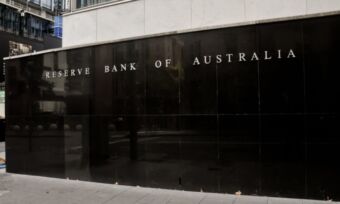
Can the RBA stop stagflation?
The RBA can contribute to stopping stagflation, but it would have to perform a balancing act – keeping inflation low and employment high. The RBA’s primary tool to influence the economy is the cash rate.
The RBA will typically lower the cash rate to stimulate spending and investment in the economy when inflation is low and raise the cash rate to tighten hip pockets when inflation is too high. During a period of stagflation, the RBA might be stuck between lifting the cash rate to combat inflation and cutting it to protect jobs. The RBA will continue to play its part in fighting inflationary pressures this year, as economists at all of the big four banks predict a further hike at its May meeting.

This article was reviewed by our Finance Editor Brooke Cooper before it was updated, as part of our fact-checking process.



 Owner occupied
20% min deposit
Redraw facility
Owner occupied
20% min deposit
Redraw facility
Try our Home Loans comparison tool to instantly compare Canstar expert rated options.