

What is the cash rate and how does it affect you?

 10 Apr 2026
What is the RBA cash rate?
The RBA cash rate determines how much interest banks and lenders pay on money they borrow. Basically, it impacts the cost of doing business for banks, which impacts the interest rates they offer customers.
The cash rate is currently 4.10%, as set by the RBA’s Monetary Policy Board.
The Monetary Policy Board has raised the cash rate twice in 2026, at both its February and March meetings, following three cuts last year. The board used to meet on the first Tuesday of every month except January, but has since reduced its meetings to eight per year. The board now meets over two days and makes its announcements on a Tuesday afternoon.
The next cash rate call can be expected on Tuesday, May 5. Canstar keeps track of cash rate predictions made by economists at the big four banks and, at present, all four predict a hike at this May meeting.
Why is the RBA cash rate so important?
The cash rate is an important tool to keep Australia’s financial sector functioning and sustainable.
The RBA sometimes refers to the cash rate as the ‘overnight money market interest rate’. That’s because banks need to manage their liquidity–how much cash they have on hand compared to how many loans they’re funding–very carefully. They must have enough money in their coffers at the end of each day to meet their liquidity requirements. To ensure they do, they often borrow money overnight.
The cash rate is the rate of interest banks have to pay to borrow money in these transactions.
For Australian consumers, a cash rate change affects the interest rates offered on loan products, like variable-rate home loans, and deposit products, such as savings accounts and term deposits. This is why it’s important for Aussie borrowers and savers to keep an eye on the RBA’s cash rate decisions.
How the RBA cash rate affects home loans
Banks and lenders will typically keep an eye on the cash rate, using it to decide their own rates. When the cash rate is low, banks and lenders may offer lower interest rates to homebuyers and mortgage refinancers. A cash rate rise, however, can mean home loan rates go up as lenders pass their costs on to borrowers.
How the RBA cash rate affects deposits
Cash rate changes also impact savings account and term deposit interest rates. Banks typically raise rates on deposit products after a cash rate hike. If the cash rate is lowered, then banks will generally lower savings rates. If you’re in the market for a new savings account or term deposit, it can pay to compare your options in the aftermath of a cash rate move.
How does the RBA cash rate affect the Australian dollar?
When the RBA raises the cash rate, the Australian dollar (AUD) typically increases in value, as foreign investors are more attracted to Australian interest yielding products (like savings accounts, term deposits and government bonds). This increases demand for the Australian dollar, making the currency more valuable. When the cash rate is cut and interest rates drop, these investments usually become less attractive and demand for AUD slows.
When the Australian dollar is strong, Aussie travellers may find their money goes further overseas whereas when it’s weak, purchasing overseas goods may be more expensive. A weaker AUD can also push up the price of petrol and diesel (as oil is typically traded in USD).
What else affects banks’ interest rates?
Funding costs
Funding costs are what banks pay to secure money. It includes the cost of borrowing money from each other–where the cash rate comes in–and the interest they pay to people depositing savings with them. When funding costs increase, a bank may increase the rates it charges mortgage-holders in order to remain profitable. But if lending rates go up, borrowers may become cautious and borrow less. It’s important for banks to balance these considerations to maintain profitability.
Competition from other banks
Banks and lenders exist in a competitive marketplace in Australia and must compete for borrowers’ dollars. This competition can influence interest rates, as banks and other institutions may cut home loan rates or raise rates on savings accounts and term deposits in order to attract new customers and refinancers.
Risk of default
Banks and lenders are typically concerned with risk. Before lending money to a prospective borrower, they’ll assess the risk of the borrower defaulting or being unable to repay their loan. If a certain type of lending is seen to be riskier–say, lending to investors for example–lenders may raise interest rates for that cohort of borrowers.
What is the RBA and what does it do?
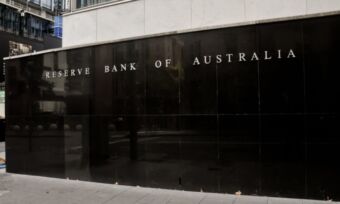
The RBA is Australia’s central bank. Its role is to maintain the strength of the nation’s financial system through monetary policy–the management of things like interest rates. According to its charter, the board of the RBA has three key duties:
- Contribute as best it can to the stability of the Australian currency (AUD),
- the maintenance of full employment in Australia,
- and the economic prosperity and welfare of Australians.
One of the board’s key roles is to set the official cash rate. At its regular meetings, the board can do one of three things–lower the cash rate, to stimulate borrowing and spending in the economy, raise it to keep inflation–ergo, consumer prices–under control, or keep it at the same level.
Why does the RBA change the cash rate?
The RBA considers many things when deciding whether to change the cash rate:
Inflation
Inflation measures any increase in the price of goods and services from one point in time to another–typically over a quarter or a year. It’s a key indicator of economic performance.
The RBA generally places the most weight on the Australian Bureau of Statistics’ (ABS) Consumer Price Index (CPI), specifically the ‘trimmed mean’ inflation figure. This arguably provides the clearest picture of inflation in Australia.
The RBA aims to keep inflation between 2% and 3% on an annual basis. If inflation gets too high–or is expected to get too high–it might raise the cash rate to help Australians maintain their purchasing power. If inflation gets too low, the RBA may cut the cash rate to stimulate spending in the economy.
Employment
Unemployment is a major gauge of how an economy is performing. If the unemployment rate gets too high, the RBA may lower the cash rate to encourage investment and spending in the economy, which might create new jobs.
Economic growth
Economic growth in Australia is typically measured by gross domestic product (GDP)–the value of all goods and services produced here each year. If economic growth slows, the RBA might lower the cash rate to stimulate the economy. This happened in 2020, when the board set the rate at a record low (0.10%) to mitigate the economic impact of the COVID-19 pandemic. In theory, this encourages consumers and businesses to spend and borrow money, which can reinvigorate the economy.
How often does the RBA change the cash rate?
The Monetary Policy Board has the ability to change the cash rate every time it meets. However, the rate tends to hold steady for months at a time.
The board cut the rate to a record low of 0.10% at the end of 2020 and held it there for 15 months. It then kicked off a series of hikes in mid 2022, handing down hikes almost monthly.
The cash rate hit 4.35% in November 2023 and stayed there for another 15 months, before the board made three cuts in 2025. After holding the cash rate at 3.60% for three meetings, it was once again lifted to 4.10% in back-to-back meetings in early 2026. After two recent rate rises, further cuts look unlikely in the near future.
What’s the RBA cash rate history?
Up until 2022’s increases, the RBA cash rate had been in decline for more than a decade, dropping from 4.75% to 0.10%. That’s a far cry from some of the peaks the cash rate previously achieved, having been higher than 17% in early 1990.

This article was reviewed by our Finance Editor Brooke Cooper before it was updated, as part of our fact-checking process.

- What is the RBA cash rate?
- Why is the RBA cash rate so important?
- How the RBA cash rate affects home loans
- How the RBA cash rate affects deposits
- How does the RBA cash rate affect the Australian dollar?
- What else affects banks’ interest rates?
- What is the RBA and what does it do?
- Why does the RBA change the cash rate?
- How often does the RBA change the cash rate?
- What’s the RBA cash rate history?


 Owner occupied
20% min deposit
Redraw facility
Owner occupied
20% min deposit
Redraw facility
Try our Home Loans comparison tool to instantly compare Canstar expert rated options.