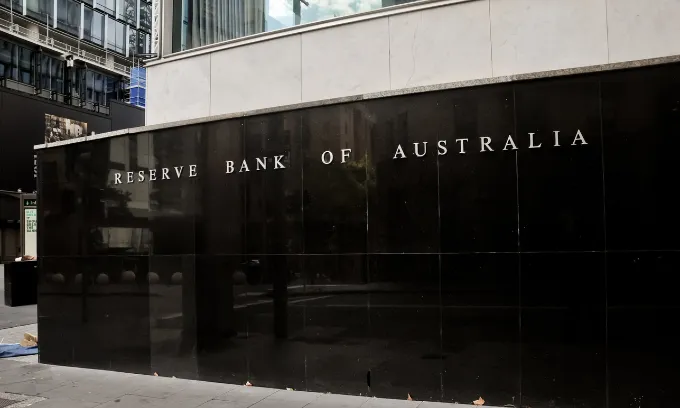


The Board of the Reserve Bank of Australia (RBA) cut the cash rate three times last year, offering a measure of relief to variable rate home loan borrowers, but with five rate rises this year, borrowers are well and truly feeling the squeeze.
At its most recent meeting on November 3, the Board hiked the cash rate to 4.85%, its highest level since late 2008. Now, all eyes will be on the RBA to see if it sees fit to raise rates again on Tuesday December 8.
What do the major banks say about future cash rate hikes?
Economists from all of the big four banks (Commbank, Westpac, NAB, and ANZ) currently predict that we've seen the end of the current cycle of cash rate rises. However, their current forecasts predict that we will not see any rate cuts until August of 2027 at the soonest, with ANZ anticipating that we may not see cuts until November.
Will rates rise in 2026 or 2027?
In the latest Monetary Policy Decision statement released by the RBA after its November 3 meeting, home loan borrowers were offered a glimmer of hope that we may see cuts next year.
"The economy is slowing," the Board said in its statement, noting that housing prices have fallen significantly and the unemployment rate has risen. "The forecasts see growth in output slowing further over the coming year, which is expected to reduce capacity pressures and help return inflation to target."
That being said, the Board noted that it does not expect inflation to return to the 2-3% target range until late in 2027, so we may not see easing until later in the year.
How to ease the pain on your mortgage
There are ways you may be able to pay off your home loan quicker than planned. For example, paying more than the minimum required, or switching from calendar monthly to fortnightly payments can help you reduce the outstanding amount on your loan faster.
If you’re worried about the impact of any rate rise on your home loan repayments, you might want to consider reviewing your loan. A good place to start is by researching what other rates and loans are on the market, via a comparison website such as Canstar.
Armed with this information, you may choose to discuss with your lender what options may be available, such as fixing all or part of your loan. If you’re in a position to do so, you could also consider asking them for a lower rate, citing examples of other rates on offer.
You may also want to consider switching lenders to take advantage of a more competitive deal, including any refinance offers. But refinancing could involve the payment of fees, so it’s a good idea to read all important documentation, such as the Target Market Determination (TMD) and Key Facts Sheet, before making a decision.
Of course, any rate rise, while bad news for mortgage and other loan customers, would be good news for savers.
Anyone with savings in an interest-bearing account will likely be looking for greater return on their money but borrowers will be keen to keep their repayments low, and that’s the challenge the RBA faces every time it meets to consider changing the cash rate.