






























































What is a three-year fixed rate home loan?
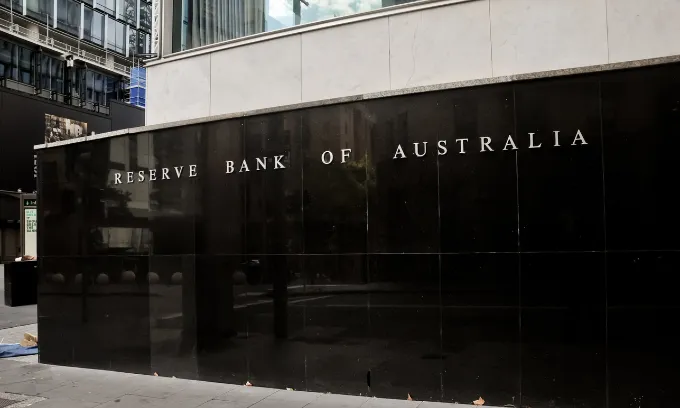
A three-year fixed rate home loan locks in the interest rate for three years, regardless of changes to the Reserve Bank of Australia’s (RBA) cash rate or your lender’s variable rates.
Borrowers with a fixed rate mortgage can expect fixed weekly, fortnightly, or monthly repayments for the first three years, only shifting to allow for longer and shorter months.
Should I fix my home loan for three years?
A fixed rate home loan could be an enticing option for borrowers with a lower risk appetite, given they can offer:
- Three years of certainty: For some home loan holders, fixed repayments can provide certainty and stability. This could be valuable for first home buyers as they acclimate to their new mortgage or investors looking for consistency. Fixing your rate, and therefore making your repayments predictable for three years, can make it easier to plan the rest of your household budget.
- Protection from rate rises: Three years of fixed rates could also shield you from sudden cash rate rises, providing peace of mind. On the other hand, lenders may at times charge a premium on fixed rate terms, perhaps accounting for market uncertainty and potential future rate hikes.
Are there any drawbacks to fixing your rate for three years?
Choosing to fix your home loan for three years comes with its fair share of tradeoffs, not limited to:
- You won’t benefit from rate cuts: If the RBA decides to cut the cash rate, your lender will most likely follow suit on its variable home loan rates. But, if you fix for three years, you won’t benefit from any interest rate cuts in that time, which could leave you paying more than the market average. While it’s possible to break your loan before your fixed period ends, you may incur a hefty break cost for doing so, which could exceed any potential savings.
- Break fees: As mentioned above, you’ll be penalised with a break fee for exiting your fixed-term early if you want to refinance, sell your property, or discharge your loan (pay it off). The longer you have remaining on your fixed term, the higher your break fee could be.
- Lack of flexibility and features: Fixed rate loans typically restrict how much you can make in extra repayments during the fixed rate period. Likewise, fixed rate loans don’t generally offer features like offset accounts and redraw facilities, which can help you save on interest and pay off your principal quicker.
- The fixed rate cliff (also known as a mortgage cliff): When a fixed rate loan expires, it typically reverts to your lender’s standard variable rate. If interest rates have risen sharply during that fixed term, you might face a sudden surge in monthly payments, which could cause mortgage stress.
How do you find the best three-year fixed rate home loan?
There isn't one ‘best’ three-year fixed home loan in Australia. The best product for your situation will depend on:
- Your risk appetite: If you have a low risk appetite and crave certainty in your repayments, a longer fixed term could give you that security.
- Interest rate: Even a small difference in interest rates could leave you paying more out of your pocket over the three-year fixed term.
- Your preferred features: If you want to make additional repayments to knock the balance over faster, it could be worthwhile finding a lender that allows for unlimited extra repayments during a fixed term, or one that imposes a higher cap on additional payments.
Canstar’s 2026 Home Loan Awards highlight some of the highest-value fixed rates for owner-occupiers and investors alike.
Canstar’s 2026 Home Loan Awards: Winners of our Outstanding Value Awards for Fixed Home Lender: Australian Mutual Bank, BankVic, Greater Bank, Horizon Bank, Hume Bank, Pacific Mortgage Group, Unity Bank.
Canstar’s 2026 Home Loan Awards: Winners of our Outstanding Value Awards for Investment Fixed Home Lender: Australian Mutual Bank, BankVic, Greater Bank, Horizon Bank, Hume Bank, Newcastle Permanent, Pacific Mortgage Group, Summerland Bank.
To see our full list of winners for categories such as variable, fixed, and investment loans, visit Canstar’s 2026 Home Loan Awards page.
How do I compare three-year fixed rate home loans?
To compare three-year fixed rate home loans, simply select your loan purpose at the top of the page and follow the instructions to see a curated list of mortgage products that might suit you, based on the information you’ve entered. Otherwise, you can browse the home loans with three-year fixed rates in the table.
Keep in mind that, while a competitive interest rate may look attractive at first glance, the comparison rate is a more accurate measure of a loan’s underlying cost.
This rate factors in most standard upfront and ongoing fees, on top of a lender’s advertised interest rate. For fixed-rate home loans, it also considers the ‘revert rate ’–the rate that a mortgage could roll onto after the fixed period expires.
Can you switch to a three-year fixed rate without refinancing?
Yes, most lenders in Australia will let you switch from a variable rate to a fixed rate without having to refinance — this is generally called a rate or product switch.
If you’d want to fix your rate for three years, the switch could be as easy as logging into your lender’s app or online portal, or giving their mortgage team a call. However, there is no guarantee that a product switch is free; you may incur a charge for fixing your rate.
Before switching loan products internally, it can be worthwhile to compare three-year fixed rates to better understand what other lenders are offering. You may find they’re offering more competitive options than your current lender.
If that’s the case refinancing could be an attractive proposition. If there are more competitive rates on the market than those offered by your lender, a quick phone call to ask if it will lower your rate (and a threat to refinance) is often all it takes to secure a better deal.
What do you do when your three-year fixed rate ends?
Three years can go by faster than you might think. If your fixed rate period is coming to an end, you’ll generally have three options at your disposal:
Fix your rate again
If you prefer predictable repayments, you can lock in a new fixed term with your current lender. Most offer fixed rate periods ranging from one to five years.
Let your rate roll over
Once your fixed rate period reaches its end, your home loan will typically transfer to your lender’s standard variable rate (often called the revert rate). While this requires zero effort, standard variable rates are normally higher than competitive market rates.
If your revert rate is tracking to be much higher than you’d like, you can reach out to your lender to negotiate a different variable rate or consider refinancing.
Refinance to another lender
If your current lender’s rates aren’t looking crash hot, or the rate you’re on is no longer competitive, you might consider refinancing to another home loan with a different lender offering more appealing rates or features.
Some lenders even offer cashback to lure potential refinancers, but it’s best to verify if it's actually a good deal by checking its rates and features before making a decision.