


Energy price spike: More than 1 in 6 households struggling with higher bills

 26 Feb 2026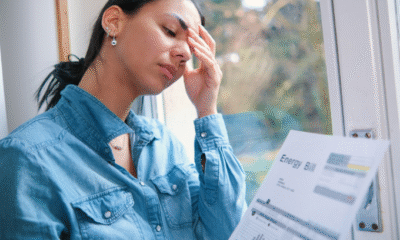
The end of the electricity rebate is already causing hip-pocket havoc across the country, with 1 in 6 households saying the resulting price hike has left them struggling to pay their latest bill.
A new Canstar survey of more than 3,000 respondents shows 72% of households have already seen an increase in their bills following the end of the rebate, and of those:
- 18% are now struggling to pay their energy bill;
- 12% have made other financial sacrifices to manage their bill;
- 46% are paying the higher amount, but are concerned about future payments.
Headline inflation reveals impact of rebate roll-off
ABS inflation data out yesterday for the month of January showed a sharp spike in electricity prices, as households start to receive the first quarterly electricity bill that hasn’t included a discount from the federal government in the last year and a half.
This is in addition to the underlying price increase in household electricity bills over the last 12 months, which ABS data shows has been approximately 4.5%.
The rebate provided a total of $450 in energy bill relief, applied primarily in $75 quarterly instalments directly into electricity accounts, beginning in July 2024, with the final instalment paid in the last quarter of 2025.
Switching providers could build a buffer back into the budget
While the federal rebates are over, households could find bill relief by switching to a lower-cost electricity plan.
Our research shows that a typical household moving from the average-priced plan to the lowest-cost plan could save up to $382 in Canberra in the first year.
This saving is equivalent to more than five rebate instalments and could provide a buffer to prevent customers from hardship.
This is based on the cost of a flat rate plan over the next year for an average household.
← Mobile/tablet users, scroll sideways to view full table →
| Potential savings switching from average to lowest cost electricity plan over the next 12 months | |||
|---|---|---|---|
| Average | Lowest | Savings | |
| Sydney | $1,759 | $1,463 | +$296 |
| Melbourne | $1,445 | $1,199 | +$246 |
| Brisbane | $1,981 | $1,681 | +$300 |
| Adelaide | $2,156 | $1, 845 | +$311 |
| Canberra | $2,414 | $2,032 | +$382 |
| Hobart | $1,338 | $1,229 | +$109 |
Source: Canstar.com.au – 25/02/2026. Based on single rate electricity plans on Canstar’s database; excluding solar-only plans. One product shown per distribution network. Annual costs calculated based on the estimated lowest possible price a representative customer would be charged in a year, assuming all conditions of discount offered (if any) have been met. Representative customer based on the reference usage for NSW, VIC, QLD, ACT, and SA (per Victorian default offer for VIC, ICRC for ACT, and AER for others) or the median usage in the Office of the Tasmania Regulator’s report, Typical Electricity Customers in Tasmania 2025 for TAS.
Reality is starting to set in for millions of households
Canstar’s data insights director, Sally Tindall, says, “The federal energy rebate has been a vital shock absorber for the last eighteen months for households struggling to keep up with rising electricity prices.”
“Now it’s gone, reality is starting to set in for millions of households across the country who have to face paying the full bill, all by themselves, with thousands already struggling to pay it.
“Most households can still manufacture their own rebate by switching providers. Canstar data shows moving from an average plan to the market leader can save you up to $382 a year in places like Canberra. That’s equivalent to more than five $75 government instalments over the course of the next 12 months.
“For some, switching could be the difference between falling into financial hardship and keeping their head above water.”
“If you’re already staring down the barrel of a bill you can’t pay, don’t hide it at the bottom of the to-do pile. Pick up the phone to your provider and talk through your options.
“The very first step should be to move on to their lowest priced plan, but then, canvas potential payment options for the bill you already owe.”
Steps to take if you can’t pay your electricity bill
- Reach out to your provider: Energy retailers are obliged to provide support and financial assistance, with options such as bill extensions, payment plans, or hardship support.
- Call the National Debt Helpline: 1800 007 007. They can help you prioritise your bills. They can also help you negotiate with any providers you owe money to.
- Check if you are eligible for other rebates or savings in your state through savings/rebate finders: NSW, VIC, QLD, SA, WA, ACT, NT.
- Check if eligible and apply for payment assistance through state programs such as the NSW Energy Accounts Payments Assistance, VIC Energy Assistance Program, QLD Home Energy Emergency Assistance Scheme.

This article was reviewed by our Consumer Editor Meagan Lawrence before it was updated, as part of our fact-checking process.