






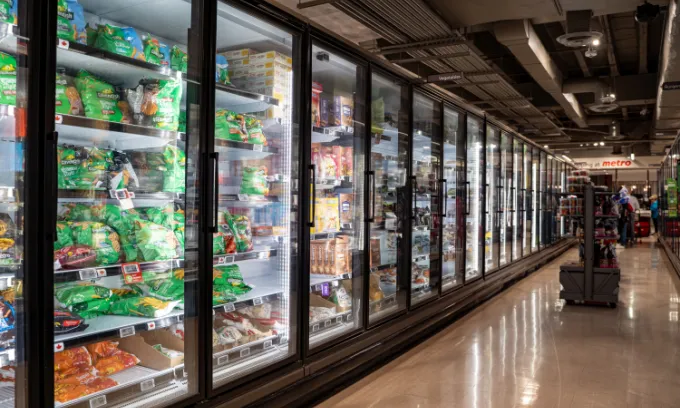
Households feeling the pinch of rising supermarket prices may find relief in the frozen food aisle, with new Canstar research revealing shoppers could cut costs by more than 50% by choosing frozen over fresh.
Alongside the findings, Canstar has announced the winners of the 2026 Most Satisfied Customers Awards for frozen meals, party foods, fruits, vegetables and desserts–based on the opinions of more than 2,300 Australian shoppers.
Frozen fruit and vegetables savings stack up
Canstar’s analysis of prices for staple fruit and vegetable items such as broccoli, spinach and strawberries at major supermarkets found frozen options were, on average, 53% cheaper than their fresh counterparts. Some items delivered even bigger savings, with frozen blueberries coming in more than 70% cheaper.
While some items will be more practical to buy fresh, swapping just half of a typical weekly fruit and vegetable shop–which Canstar research shows costs $49 per week–the average household could save $13 weekly. Over a year, that adds up to just over $675.
Convenience without the compromise
While convenience is the biggest driver for the majority of shoppers (75%), they also value frozen fruit and veg options for their:
- Year-round availability: 52% choose frozen because it’s always in stock, regardless of season.
- Cost-effectiveness: 43% say frozen offers better value.
- Reduced waste: 36% prefer frozen because fresh produce spoils too quickly.
Because the produce is flash-frozen shortly after harvest, nutrients are locked in, avoiding spoiling that can occur during long transport times and days spent on display. Many frozen products also come pre-washed, peeled and chopped, helping reduce both prep time and food waste.
Frozen foods continue to grow in popularity, with 66% of shoppers surveyed by Canstar saying they eat at least one frozen meal a week, up from 60% last year.
Top-rated picks for frozen meals, fruits, vegetables and desserts revealed
For those looking to restock the freezer, knowing which brands are top-rated – as determined by the opinions of thousands of Aussie shoppers–can be helpful.
The results of Canstar’s 2026 Most Satisfied Customer Awards for frozen food are as follows:
2026 Canstar Customer Satisfaction Award Winners | |
|---|---|
Category | Winner |
ALDI Orchard & Vine | |
Bells Farm | |
McCain | |
ALDI | |
Coles | |
Patties | |
ALDI International Cuisine | |
Peters | |
Sara Lee | |
ALDI Monarc | |
Further ways to save at the supermarket
While Canstar research shows 80% of shoppers are already adjusting their shopping habits to combat rising grocery costs, there are still plenty of tactics to try, including:
- Choosing home brand: Switching half the basket to home-brand products could save a family of four more than $2,400 a year.
- Thinking beyond the big supermarkets: Buying in bulk at Costco or other discount stores can deliver significant savings on pantry staples.
- Shopping at the right time: Knowing when stores mark down items can help shoppers snag the best deals. Canstar research shows 35% of shoppers buy products close to expiry to save money.
- Using catalogues and apps: Staying across weekly specials or using price-tracking apps like Half Price helps shoppers plan ahead and avoid overspending.
Canstar spokesperson, Eden Radford, says, “Switching just half the regular fruit and vegetable shop could deliver significant savings for households at a time when the cost of groceries is set to rise.
“Opting for frozen food can also help stabilise the budget, with seasonal volatility playing less of an impact on pricing, while the ease of convenience can save families precious time.
“Frozen isn’t the only switch that could help shoppers save, with the decision to go for home-brand products also a great way to help drop the cost of a shop.
“Whether buying frozen ingredients for a breakfast smoothie, or finding party snacks for a weekend get-together, Canstar’s 2026 Most Satisfied Customers Award winners are a good place to start.
“At a time when every dollar counts, the freezer aisle is proving to be a powerful ally for Australian households — and the savings really do add up.”