






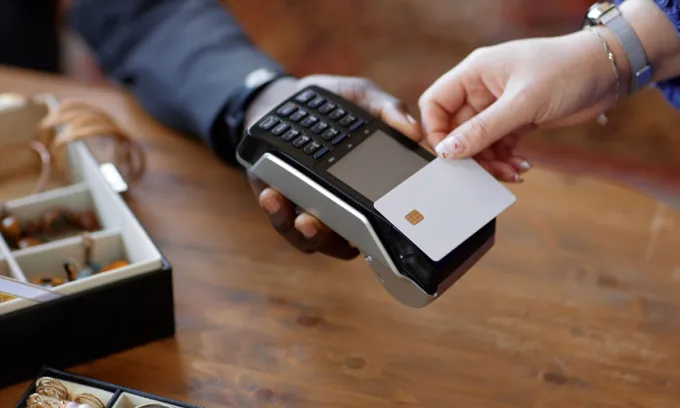
The RBA confirmed on Tuesday that it will move to scrap surcharges on both credit and debit cards across the Visa, Mastercard and eftpos network from 1 October.
The RBA says it will:
- Remove all card surcharges for consumers, whether paying by Visa, Mastercard or eftpos, including both debit, credit and pre-paid cards.
- Lower caps on interchange fees paid by businesses, reducing the cost of accepting card payments for retailers.
- Force card payment networks to publish the fees they charge, lifting the veil on a system that lacks transparency, making it easier for businesses to shop around.
- Consider regulating other retail payments including mobile wallets such as Apple Pay, Buy Now, Pay Later services and e-commerce platforms, which were not included in the original review.
Majority of Australians want surcharges banned
A 2025 Canstar survey of 3,001 Australians found 75% believe payment surcharges should be banned, similar results to the newly published RBA survey which found 76% of consumers want these fees abolished.
Canstar's research also found:
- 33% try to pay with cash when faced with a surcharge.
- 22% manually insert their card into the machine in store to avoid paying a surcharge.
- 11% avoid shops that charge a surcharge on card payments.
How much will the surcharge ban save consumers?
RBA estimates show Australians spend around $1.6 billion, or an estimated $80 per card-using adult, on surcharges annually.
However, the new ban on surcharges won’t result in a collective saving of $1.6 billion for households, as the 16% of shops that charge a surcharge, could pass some or all of these costs on by lifting their prices.
That said, the cost of taking these payments should be lower, with the reduced cap on interchange fees and the new rules to help businesses find more competitively-priced payment systems.
Does the RBA have the power to ban surcharges?
No. Essentially the RBA is lifting its ban on the ‘no-surcharge’ rules Visa, Mastercard and eftpos previously had applied to retailers.
This is better understood looking back at the history of surcharges in Australia.
Initially, Visa and Mastercard banned shops from applying a fee to recoup the cost of taking card payments. However, in 2003 the RBA banned this no-surcharge rule, to encourage customers to pay using a competitively-priced method, i.e. cash or debit.
However, the rule and its intention are now outdated, with many payment providers charging a flat fee regardless of whether customers pay with credit or debit. It has seen debit card customers pay unfairly high fees given their transactions are cheaper to process.
The RBA will now lift the ban on Visa, MasterCard and eftpos, and let the networks reestablish their no surcharge rules on retailers.
Will this be the final nail in the coffin for cash?
The removal of card surcharges will encourage more people to pay electronically. Canstar data shows 33% of Aussies try to pay with cash when a shop charges a surcharge.
However, this isn't the end of cash—yet. The RBA’s 2022 research shows 7% of Australians use cash to make the majority of their in‑person payments.
At the start of the year, in a move to support cash payments, the federal government made it mandatory for big retailers to accept cash for essential goods and services costing $500 or less between the hours of 7am and 9pm.
What impact will the overhaul have on rewards credit cards?
As part of the overhaul, the RBA will drop the maximum amount banks can charge payment providers for each transaction they help facilitate, to reduce the burden on small businesses.
The new cap on debit cards will drop by 20%, while the cap on credit card interchange fees will drop by 63%.
Drop in interchange fee cap on Australian cards from 1 October 2026 | |||
|---|---|---|---|
Current | New | Change | |
Credit | 0.8% | 0.3% | -63% |
Debit | 0.2% | 0.16% | -20% |
Source: RBA
The concern is, this money helps fund credit card rewards programs and, as a result, the credit card providers are likely to reduce the value of card perks or charge higher fees and rates.
This could push some customers into ditching their credit cards, however, it’s unlikely to spell the end of the 11.5 million credit card accounts currently in circulation, the majority (77%) of which don’t use a credit card to borrow money, according to a previous Canstar survey.
Credit cards are also big money makers for the providers. RBA domestic banking fee data shows credit cards are the biggest generator of bank fees from Australian households, collecting $1.6 billion in fees in FY24, up 51% from the 2021 financial year.
Banks are likely to change their offering to adjust to the new rules, rather than scrap rewards card offerings altogether.
Canstar data insights director, Sally Tindall, says, “Australians have had enough of getting lumbered with an extra hit at the till. It’s no surprise people want to see the back of these pesky fees once and for all”.
She added: “These changes will simplify the system, stop any price-gouging and help consumers compare apples with apples at the checkout.
“It’s a tiny fee in isolation, but plonked on top of the cost of a flat white every day, is enough to make people see red.
“Lowering the cap on interchange fees should bring down the cost of taking payments for small businesses, and that’s important. These businesses are the ones getting stung the most by opaque pricing. They know they’re getting ripped off, but calling that out has been difficult.
“While the cap will rattle the rewards landscape it will make this system fairer. For too long debit card customers have been helping subsidise credit card rewards programs. The move might push credit card fees and prices up even higher but at least debit card customers won’t be helping foot the bill.
“If you’ve got a credit card, keep an eye on your fees and interest rates, but also your rewards offering. If you get a notification that your perks are changing, do a stocktake to see if it’s worth cashing those points out.
“Additionally, do a health check on your credit card to make sure you’re getting bang for buck. If you’re not, it could be time to switch to a lower-cost card, or stop playing the rewards game altogether.
“While the ban doesn’t start until October, there are steps you can take in the meantime to duck surcharge fees. Carrying cash, paying online with platforms such as BPAY, and in some stores, inserting your card into the terminal can help reduce these irritating fees.”
Tips to avoid paying surcharges
- Carry cash: An unpopular one for many, but if you really want to avoid excessive surcharges, then cash could be the easiest option. That said, if you’re paying an ATM fee to withdraw the cash, or have a habit of misplacing it, then this could backfire in a blink of an eye.
- Use eftpos: If you have a debit card, and there’s the option to insert it and select 'savings', this can potentially see you duck the surcharge fee.
- Use payment platforms: Platforms such as BPAY can sometimes be a good way to avoid fees for online purchases, provided you use it through a transaction account rather than your credit card.
- Know your rights: Don’t fall victim to a card surcharge rort. If you suspect a business is adding cream on top of the card surcharge, let them know. You can also report it to the ACCC. While it has the power to issue infringement notices, it’s worth knowing it does not resolve individual disputes.