


















.webp?w=384)
What to look for when comparing kids phone plans
Whether it’s your child’s first phone plan or their usage needs have recently changed, there are a range of things to consider when choosing a phone plan for kids. Some providers offer features and plans specifically for kids, while others may simply offer good value-for-money plans.
You’ll also need to consider what type of phone user your child will be — for example, will they be a light or heavy data user? Their age might also determine the inclusions they need — younger kids might use less data, while teenagers are likely to use more.
Data
A phone plan with at least 5GB of data should be enough for light use of basics like Google Maps, web browsing and messaging apps. Heavier use, especially for older kids who can access social media apps with video such as TikTok, will use a lot more data. You might also want to consider plans with no excess data charges, otherwise, your child will need to be mindful of their data usage. Providers will typically send SMS alerts when 50%, 85%, and 100% of the monthly data allowance has been used, or you can monitor data in the provider’s app or through your account.
Cost
A plan’s cost is often tied to data inclusions and, in the case of prepaid plans, the plan’s expiry period. While you might look at cheap mobile plans, that plan may not suit your child’s data needs. Comparing plans based on cost in relation to data allowance might be a better way to find the right value-for-money plan for your kid.
Parental controls and other features
Some providers offer additional parental controls such as data monitoring, website and app blocking, and the ability to turn data off and on. You can also access parental control features through your child’s smartphone or other apps/services, although some of these features may cost extra.
Bundling and family plans
To make it easier to manage your kid’s plan and payments, some providers offer the option to bundle multiple services on the one account, or a family mobile plan. Not only is this convenient when it comes to plan payments, but some providers may offer discounts when you bundle multiple services on the one account.
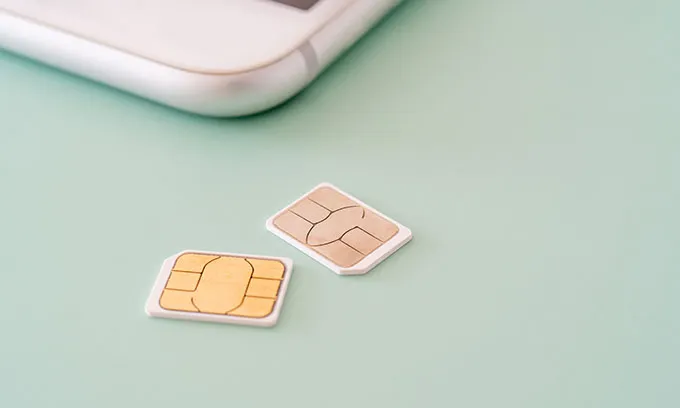
‘Family’ plans allow you to have multiple services on a single bill (and include multiple SIM cards). However, some family plans might include a pool of data to be shared across all the services, which could be a problem if your child chews through it all leaving nothing for you to use!
Prepaid expiry periods
Be wary of the expiry period of some cheap prepaid plans, as these are sometimes only seven to 10 days. Instead, look at prepaid plans with 28-30 day expiries, as this reduces the risk of your child having no credit to call or text you, while also taking away the hassle of recharging regularly. Those short-term plans might be cheap, but consider how many times you’ll need to recharge each month, which can really add up.
If you prefer the set-and-forget nature of a long-expiry prepaid plan (such as a 365-day plan), your kid will need to ration their data over the plan’s length. Otherwise it could be costly to recharge it every time they use up their data.
What are the best kids phone plans?
Choosing the best phone plan for kids will ultimately depend on what your child needs from their plan — and any budget you might have. Finding the right plan will then depend on which providers offer plans that best meet your requirements. However, a small number of providers offer phone plans for kids or additional features, such as family plans, which you may want to consider.
Spriggy Mobile
- Offered by Spriggy, the kid’s debit card and budgeting app provider, but you don’t need to be an existing Spriggy Pocket Money member.
- One single monthly prepaid plan to choose from — designed specifically for kids with unlimited standard national calls and SMS and up to 75GB data banking.
- Parental controls for managing and monitoring your child’s data usage, weekly safety reports and checking your child’s call history.
- Blocks gambling, adult and dating apps and websites, including adult content on YouTube and Google.
- Encrypted personal data protection.
Moose Mobile
- Offers a simple range of month-to-month SIM-only postpaid plans.
- Up to 200GB data banking included on all plans.
- Parental control via the Moose Mobile app allows parents to manage multiple services on one account and turn data off and on as needed.
Yomojo
- Selection of 30-day prepaid plans offering good value for money.
- Family bundling allows you to add up to six separate services on the one account, with discounts on your plan fees starting at 5% off for two services and going up to 15% off for six services.
ALDI Mobile
- Offers a range of 30-day prepaid 5G Family Plans.
- Choice between three plans with either up to two, up to four or up to six services included.
- Includes data to share across the services with data rollover.
Are cheap mobile phone plans the best option for kids?
It’s easy to assume that a cheap phone plan will be the best option for your child, but there are still some things to consider. Often the cheapest plans will have smaller data inclusions, which might not suit all kids. Cheap prepaid plans might also be on a short expiry period, which will be more expensive if you need to recharge it more often. Consider cheap mobile plans on a case-by-case basis and whether it will suit your child’s usage needs.
Are prepaid or postpaid plans the best mobile plans for kids?
In addition to a plan’s features, you’ll need to consider whether postpaid or prepaid suits your child’s needs better. Postpaid plans — which some providers might call SIM-only plans — see you pay your bill after the billing cycle is complete, while prepaid means you’ll pay in advance (and can typically only use the plan inclusions you’ve paid for upfront). Both plan types have their pros and cons and your decision can really depend on which option will suit your and your child’s needs best.
Prepaid pros and cons
Pros
- No bill shock: You can typically only use what your plan includes, which means no bill shock if you go over a data allowance. This can be a great way to help kids understand budgeting and responsibility for their own data usage.
- Range of recharge period options: Prepaid plans are available on a range of expiry periods. You can choose from a more regular monthly/28-day/30-day recharge or a long-term plan if you prefer to set and forget.
- Less strings attached: You can usually pick up a prepaid plan easily and without complications like credit checks — prepaid plans are also easier to cancel.
Cons
- Loss of service: Once you use up your plan inclusions — which is mostly data allowance as calls and SMS are typically unlimited — you’re without service unless you recharge your plan early or purchase an add-on, such as a data pack (if available).
- Shorter expiry periods: Some prepaid plans run on a 28-day expiry period, and while it’s close enough to be considered a monthly plan, you’ll still need to recharge 13 times per year, rather than 12.
- Less inclusions: Prepaid plans may have less perks such as international call inclusions, no excess data charges, affordable global roaming, etc. — it doesn’t mean these features aren’t available, you might just have less providers to choose from.
Postpaid pros and cons
Pros
- Pay for any extras later: Any extra inclusions like data add-ons, international calls, etc., will be billed after usage, so you’re not running the risk of being cut off from your service.
- More extras: Postpaid plans can often include extra features such as no excess data charges.
- Monthly billing: As you’re billed for a full month, you’ll only have 12 bills to pay per year and the plan’s price and inclusions stretch over more days compared to 28-day prepaid plans.
Cons
- Credit check: Some postpaid providers may require a credit check before sign up, especially if you’re getting a new phone bundled with your plan.
- Cancelling can be more complicated: Postpaid plans can require more effort to cancel and you might need to pay a final bill or early exit fee.
- Bill shock: If you exceed your plan’s inclusions like data, or use global roaming features, you may receive a bigger bill than you anticipated.
What is the best phone for kids?
Your child will, of course, need a new phone to pair with their phone plan. While they might pester you for the latest iPhone — and have all sorts of reasons and excuses as to why they need it — the good news is that you don’t need to fork out over $1,000 to buy your child a quality smartphone.
There are plenty of phones on the market for $500 or less from brands like Motorola, HMD, OPPO, Nothing and Samsung. The good news is that you don’t have to compromise on quality or features for phones at this price point. Phone technology has improved significantly over the last several years and features that were once considered premium — like 5G connectivity and multiple cameras — are now more standard inclusions in cheap phones.
Some phones might include special parental control features, while other phones, like ‘dumbphones’, might offer a better alternative if you want to limit your child’s phone usage to just calls and texts.
HMD Fuse
The HMD Fuse is a phone designed specifically for kids with child protection features built into the device — not just as software features. This ensures that security features aren’t able to be disabled or bypassed and they operate locally and offline. Here are some of the extra features included with the HMD Fuse:
- Prevents kids from seeing, saving or sending nude content, including through the phone’s camera, preventing kids from filming or taking photos of inappropriate content.
- Location tracking allows for parents and guardians to set geographical safe zones, which checks in 30-minute intervals to prevent battery drain on the Fuse and the parent or guardian’s device.
- Contact whitelist limits calls and texts to only the approved contacts.
- Self-repair available, with Gen2 repairability working on the display, back cover, battery and charging port, using iFixit self repair (repair kits will cost extra).
- Apps are opt-in only — rather than disabling apps and access to the app store on the phone, you have to choose to enable them.
Refurbished phones
Another way to save a bit of money on your kid’s mobile phone is to look into refurbished or second-hand phones. Refurbished phones have been previously owned and may be several years old, however they have typically been refitted and tested to ensure they’re in good working condition. These devices are then sold by retailers and telcos, such as Boost Mobile, and might come with a quality rating such as ‘good’ or ‘excellent’ condition. These phones may have some cosmetic issues such as scratches or scuff marks on the outside of the device — but they should operate smoothly.
Buying a second hand phone that isn’t refurbished can be complicated. If you’re buying online from places such as Facebook Marketplace, there is no guarantee that you’re getting a good quality device, so the phone may suffer from poor battery or performance.
However, if you happen to have old devices lying around, or you’ve been considering upgrading your current device, parents might wish to pass on their older phone. Just make sure you factory reset the phone before giving it to your child, to ensure your data is wiped from the device.
What about cheap iPhones?
Cheap phones are, for the most part, limited to Android devices. However, if you’re looking to pick up a cheap iPhone for your child, Apple has a more budget-friendly option — the iPhone 16e. It has more basic features when compared to other devices in the iPhone 16 lineup, and the newest iPhone 17 series. However it’s still close to $1,000 AUD and not exactly ‘cheap’.
Another option is to buy an older iPhone, which may be available at a cheaper price than at launch, and some stores may still have stock available. Refurbished older iPhones are another way to reduce the price further. But keep in mind that even older or refurbished iPhones can still be expensive.
What to look for in phones for kids
There are so many mobile phone brands around, with manufacturers releasing new phones each year, so there is definitely not a lack of choice. To make this easier on you, there are a few considerations to help you narrow down your options when finding the best phone for kids.
Price
Price is perhaps the most important criteria when choosing a phone for your child. Considering some smartphones can cost well over $1,000, you don’t want to be spending that much if your child is likely to lose or break their phone. There are plenty of cheap phones around that are much more affordable, and with great features included.
Features (including parental control, security and usage monitoring)
Features might also play a part in picking the right phone for your child. For example, if they’re really into making videos and photography, you might want to look at a phone that will nurture their hobby with decent cameras and camera features. You might also want to look at the sorts of security and usage monitoring features that are available, or if any parental control apps are included or compatible with the device.
Durability
Durability might be especially important if your child is quite active or accident-prone. While some drops will damage even the most durable of smartphones, some manufacturers or devices put more emphasis on durability and fixability, and you’ll also want to check for the splash and dust resistance ratings.
Battery
Battery life is also important, as you want to ensure the phone is going to last your kid during the day and into the night — especially if they have any out of school activities and you need to coordinate a pickup time.

.webp?w=640)
.webp?w=640)