
How much does termite treatment cost?
According to Hipages (an online marketplace connecting customers to tradies), termite treatment can cost anywhere between $300 and $3,500, with the ultimate cost depending on:
- The size of the home
- The extent of the termite infestation
- The type of termite treatment required
- The company you hire
Different termite treatments and their costs
- Treatments that involve spraying, dusting, or injecting foam directly to affected areas can cost between $300 and $1,000.
- A termite baiting system can cost between $2,500 and $3,500 and must be repeated, usually every month, which can add around $800 per visit to the expense.
- A termite barrier, which can come in the form of a trench treatment, chemical soil treatment, or physical blanket barrier around the home, could cost as much as $5,000.
Signs you may have termites
According to hipages, some common signs to look out for include:
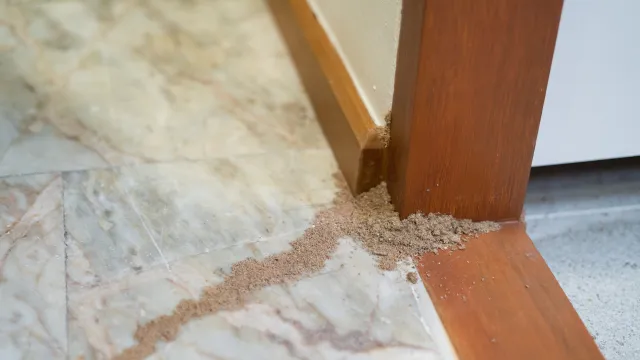
- Termite remains, such as droppings, wings or powdery residue around the house.
- Termite tunnels and mud tubes along walls
- Damage to walls including chipping, flaking, holes and dampness
- Timber doors and windows becoming hard to open
- A hollow sound when you tap interior timbers
- Clicking sounds coming from the walls or ceiling, which can be the sound of termites eating or soldier termites banging their heads against timber to warn the colony of danger
How much does termite inspection cost?
Hipages notes the cost of a termite inspection is usually around $250 to $600, depending on:
- The extent of inspection required
- The size of the home
Who can provide termite treatment?
There is a wide range of pest management specialists to select from, with the Australian Pest Control Association (APCA) recommending shopping around and comparing costs. You can also enquire about the range of treatment options different companies provide.
One place consumers can start their search is on the AEPMA site directory, where members need to be qualified and committed to follow industry codes of best practice in order to be listed.
Is termite treatment cost covered by home insurance?
Unfortunately, it’s unlikely that termite damage or any termite treatment cost will be covered by your home building insurance.
The majority of home insurance providers exclude loss or damage caused by insects, vermin and other household pests — including termites — from their home insurance policies. This is because watching out for pests like termites, as well as dealing with them, is regarded as a part of regular home maintenance.
What to do if you find termites on your property
According to the Australian Museum, there are more than 300 termite species in Australia, but only a few of the wood-damaging species are a concern to humans. If you find termites, it’s important to identify the type you’re dealing with, find any nest, and eradicate any infestation.
You may find products designed to kill termites in your local hardware store. However, it could be a good idea to consider seeking professional help. hipages warns that because termites live in large colonies, they can be hard to get rid of—especially those that live below the ground, which are known as subterranean termites.
A termite management specialist can recommend a treatment plan specifically for your needs. By calling in a specialist, you also minimise personal handling of what can be toxic pest elimination chemicals.
How to prevent a termite infestation
Like many household pests, when it comes to termites, prevention is typically the best way to avoid large treatment costs. There are plenty of simple and low-cost steps homeowners can take to avoid sharing their home with termites.
If you’re buying a home, it normally makes sense to organise a pre-purchase pest inspection before you commit to the transaction. Hipages notes this service can cost around $250. While it may be an additional expense for homebuyers, it can also be a big money saver if the inspection identifies a serious termite problem.
It’s also a good idea to have an annual pest inspection after you move in. Subterranean termites have the potential to chew through wall and roofing timbers within a matter of months.
Other basic preventative measures sourced from the Government of Western Australia that can safeguard your home from termites include:
- Using termite-resistant timbers below floor level or when renovating
- Ensuring that your home’s timber structures are not in contact with soil or the ground
- Avoiding storing timber directly on soil and around your home’s foundations
- Ensuring spaces under the floor are well ventilated and dry by keeping weep holes and other ventilation and drainage systems functional and free from debris
- Fixing any drainage problems, plumbing and roof leaks—termites love moisture and humidity
- Keeping vegetation away from your home’s foundations and outside walls
- Removing any dead trees and stumps as soon as possible.
Remember, if you see any signs that could indicate termites, it’s worth taking prompt action before the insects eat away at your home and potentially the savings in your bank account.