

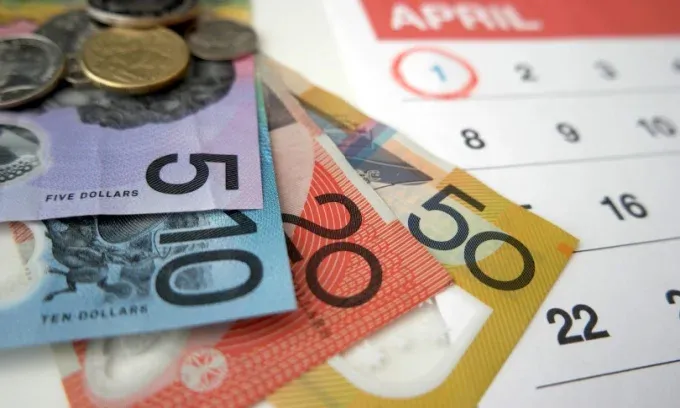
Why do private health insurance premiums increase on April 1st every year?
Australian private health insurers are legally only allowed to increase their premiums once per year, according to the Department of Health, Disability and Ageing. Each year, insurers must apply to the Federal Government for approval, usually by mid-November. If the increase is approved, it can take effect from 1 April the following year.
How are health insurance price increases decided?
Through this submission to the Federal Government, insurers must detail how much they want to increase their prices by, and their reasons for requesting the increase. According to the Commonwealth Ombudsman, the proposed increases are examined by the Department of Health and the Australian Prudential Regulation Authority (APRA). The government and APRA may work with insurers to review and adjust proposed increases, taking into account the cost of providing health services and the needs of Australians. According to the Health Minister; “Insurers must ensure their members are getting value for money and that premiums are contributing to system-wide improvements, like higher wages for nurses and other health workers and sustainable hospital services.”
How much is the health insurance premium increase?
Insurers may increase their premiums by different amounts each year. The Federal Government announced an average increase of 4.41% from 1 April 2026—the largest average increase in percentage terms since 2017. Individual insurers may increase their premiums by different amounts—some more than the average and some less. Also, keep in mind that insurers may not apply this increase evenly across every health insurance policy they offer. Some policy prices may be raised more than others.
For example, Canstar’s analysis of pre- and post-April 2025 prices revealed the average cost of a Gold-tier hospital policy for individuals, on average, jumped up by 13.8%—an increase of $442.
Change in average annual hospital insurance premiums – individuals
Hospital | Mar-25 | Jun-25 | Change |
|---|---|---|---|
Basic | $1,077 | $1,070 | -$7 |
Bronze | $1,316 | $1,336 | +$20 |
Silver | $1,755 | $1,838 | +$83 |
Gold | $3,211 | $3,653 | +$442 |
Source: www.canstar.com.au. Based on hospital insurance policies on Canstar’s database, excluding ‘plus’ tiers. Gov rebate of 16.405% in Mar-25 and 16.192% in Jun-25 applied. Averages based on state averages, weighted by % of hospital insured persons (APRA Mar 25).
Families with Gold-tier cover have faced average annual premium rises of 13.5%, or as much as $858.
Change in average annual hospital insurance premiums – family
Hospital | Mar-25 | Jun-25 | Change |
|---|---|---|---|
Basic | $2,146 | $2,129 | -$17 |
Bronze | $2,653 | $2,699 | +$46 |
Silver | $3,528 | $3,712 | +$184 |
Gold | $6,349 | $7,207 | +$858 |
Source: www.canstar.com.au. Based on hospital insurance policies on Canstar’s database, excluding ‘plus’ tiers. Gov rebate of 16.405% in Mar-25 and 16.192% in Jun-25 applied. Averages based on state averages, weighted by % of hospital insured persons (APRA Mar 25).
How to avoid the health Insurance premium increase
If your health insurance provider has raised its premiums, or will be doing so in the future, there are several options you could consider to help manage your household finances:
- Ask for a discount: Contact your current provider to find out if you can pay less for your health cover—some providers may be willing to compromise to keep your business.
- Review your cover: It may be possible to cut back on some of your health insurance cover to save some money while maintaining an acceptable amount of cover for the essentials.
- Cut the extras: If your policy includes optional extras that you don’t realistically expect you’ll use any time soon, you could consider cutting these to save some money.
- Adjust your hospital excess: Choosing to pay more out of your own pocket when making a claim for in-hospital services could allow you to pay less in health insurance premiums.
- Pay early: Pre-paying your health insurance up to 12 months in advance may allow you to delay the impact of any scheduled premium increases.
- Compare alternative options: Health insurance from another provider could potentially offer a similar level of cover at a lower price point, and may even come with discounts or other incentives for joining up.
Our research shows that switching from the average annual premium to a lower-cost provider could lead to significant savings for the exact same level of cover.
For example, if an individual with Gold tier hospital cover paying the average annual premium of $3,790 switched to one of the lowest priced policies at an average of $2,403, they could potentially save $1,387 in a year.
Potential savings from switching hospital cover – individuals
Hospital | Average | Average | Change |
|---|---|---|---|
Basic | $1,060 | $977 | -$83 |
Bronze | $1,346 | $1,189 | -$157 |
Silver | $1,854 | $1,612 | -$242 |
Gold | $3,790 | $2,403 | -$1,387 |
Source: www.canstar.com.au - 23/02/2026. Based on hospital insurance policies on Canstar’s database. OSHC, visitor and corporate policies are excluded. The Australian Government Private Health Insurance Rebate, Tier 1 for under 65s, of 16.192% in Jul-25 has been applied to premiums. National average based on state averages weighted by proportion of hospital insured persons per APRA Quarterly Private Health Insurance (September 2025).
Similarly, a family with Gold tier cover paying the average annual premium of $7,491 could switch to a lower-cost option at $4,807, potentially saving over $2,600.
Potential savings from switching hospital cover – family
Hospital | Average | Average | Change |
|---|---|---|---|
Basic | $2,119 | $1,954 | -$165 |
Bronze | $2,722 | $2,378 | -$344 |
Silver | $3,755 | $3,249 | -$506 |
Gold | $7,491 | $4,807 | -$2,684 |
Source: www.canstar.com.au - 23/02/2026. Based on hospital insurance policies on Canstar’s database. OSHC, visitor and corporate policies are excluded. The Australian Government Private Health Insurance Rebate, Tier 1 for under 65s, of 16.192% in Jul-25 has been applied to premiums. National average based on state averages weighted by proportion of hospital insured persons per APRA Quarterly Private Health Insurance (September 2025).
Before making any changes to your cover, it’s important to consider not only your personal finances, but your health and lifestyle. For example, a young single person will likely require different health insurance cover to a family or a pensioner on a fixed income. The best policy for you may not always be the cheapest, so it’s often worth getting quotes from a variety of different providers. You can get a personalised health insurance quote by clicking the ‘compare health insurance’ button. This could give you a better idea of what providers and policies may best suit your needs.