






What petrol should I use?
Standing at the pump wondering if you should pay extra for 95 or 98? For most drivers, the answer is no. Unless your car’s manufacturer specifically requires premium fuel, it’s probably a waste of money. Here’s how to check your car’s requirements and stop wasting money on ‘fancy’ fuel.
What types of unleaded fuel are available?
Regular Unleaded and Premium Unleaded
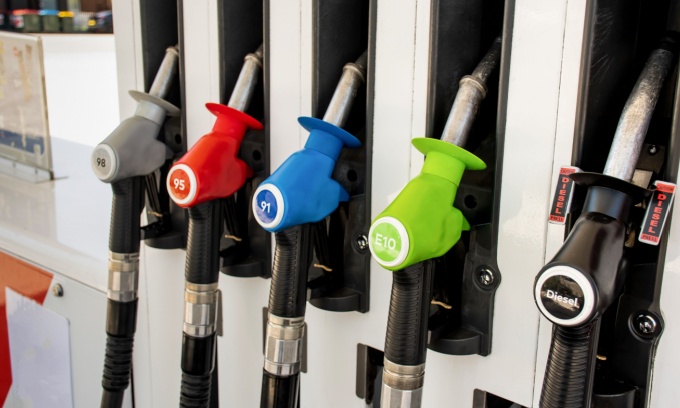
When it comes to petrol engines, there are several options available–including petrol labelled as 91 (known as regular unleaded petrol: RULP), and 95 and 98 (both known as premium unleaded petrol: PULP).
Ethanol
Ethanol is a renewable biofuel, typically made from plant products like grain or sugar cane. E10 fuel is a mixture of 90% unleaded petrol and 10% ethanol that can help reduce harmful exhaust emissions. The unleaded petrol component is normally regular (91), but may be premium (95 or 98) in some cases. There’s also E85, which is a blend of up to 85% ethanol reserved for specialised vehicles.
What’s the difference between 91, 95, and 98?
These numbers refer to the Research Octane Number (RON) rating of unleaded petrol. Professor Shawn Kook, an expert in car engines at the University of New South Wales (UNSW), says RON is a standard measure of how well a fuel performs in an engine.
“Research Octane Number represents a fuel’s ability to avoid engine-damaging, abnormal combustion,” Professor Kook states. This is called knocking–also known as pinging or pinking–which reflects the sound you may hear from your engine and could be a sign you’re not using the correct fuel for your car.
“Higher RON fuels are designed to reduce the knocking and so higher RON fuel can help achieve higher engine efficiency and lower fuel consumption,” said Professor Kook.
When it comes to choosing a brand (like Ampol, Caltex, BP and 7-Eleven), the Royal Automobile Club of Western Australia (RAC) says differences largely come down to marketing, rather than the quality of the fuel.
Australia’s national fuel standards ensure a basic level of fuel quality across all brands. Though, service stations can compete through fuel pricing, as well as discount and rewards programs.
Can you use E10 fuel in your car?
Whether your car can take E10 fuel will depend on its age, make, and model. Its fuel requirements will generally be outlined in its owner’s manual or on the car manufacturer’s website. You can also check through an online E10 compatibility tool.
Will E10 save you money?
E10 is generally cheaper than regular 91 petrol, but it does have a 3% lower energy content than 91 RON fuel. That means you may use slightly more E10 to travel the same distance, the Royal Automobile Club of Queensland (RACQ) says. To offset this increased consumption, make sure the E10 you buy is at least 3% cheaper than 91. For example, if 91 is 199.9 cents per litre, you’d need to pay less than 194.0 cents per litre for E10 to see real savings.
When should you use premium fuel in your car?
If your vehicle’s required fuel is 95 or higher, you’ll need to use more premium fuels to avoid engine knocking, reduced performance, and lower fuel economy. An increasing number of new cars now require 95 and some high-performance models require 98. Professor Kook says many high-end manufacturers design their cars to use only premium fuels. “This means if those engines run on lower RON fuels, they will struggle with knocking, leading to potential engine damage.”
Is premium petrol a waste of money?
For many drivers, yes. The likes of NRMA, RACQ, and RACV say using 95 or 98 in a car designed for 91 is unlikely to meaningfully improve its performance or fuel economy.
If you’re curious, you can test this yourself. Many cars track fuel use in litres per 100km (L/100km), letting you compare how your car performs on different fuels. But as results can vary depending on driving conditions, it might take several trips to see a clear pattern.
Some premium fuels do contain additional cleaning agents, which may help keep parts of the engine clean over time. However, for most everyday drivers, these benefits are typically minor.
What if you accidentally fill up with the wrong fuel?
If you’ve accidentally put diesel in the tank of a petrol engine, the car probably won’t even start. Still, be mindful not to try to start it. Doing so can circulate the diesel through the fuel system, potentially increasing repair costs. The tank will need draining and refilling with the correct fuel. If you’re a member of a motoring organisation or have a car insurance policy with roadside assistance you can call them for help or reach out to your local garage or servicing centre.
Using a higher RON-rated petrol than recommended isn’t normally a worry. But if you’ve accidentally used a lower rated petrol than your car is designed to run on, it may start ‘knocking’ or you could need to get the tank drained and refilled with the right fuel. Some vehicles specified for high-octane fuels may run fine on regular unleaded, albeit with reduced power and economy, while others risk extensive engine damage.
If the car is showing no signs of distress (no strange noises or performance issues), you can simply drive gently and frequently top up with the correct fuel to dilute the wrong fuel and bring your engine back to normal.