






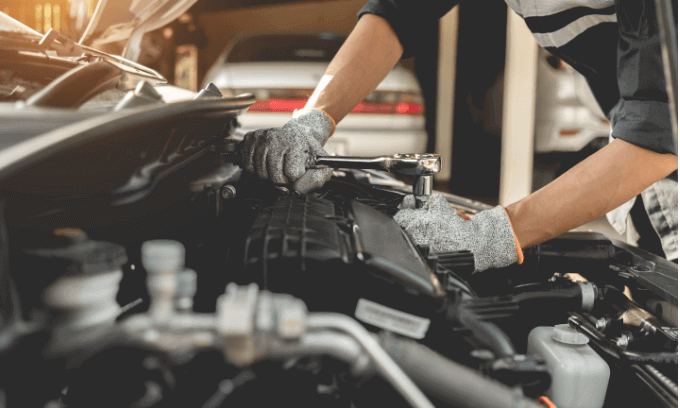
How much does an average car service cost?
Getting your car serviced will put you out a few hundred dollars, but not servicing a car regularly could lead to far more expensive repairs down the line.
According to online trades job marketplace oneflare by Airtasker, a minor car service costs around $220 to $245 and a typical logbook service around $370 to $385. But before you mentally lock those numbers in, remember: a car’s make and model, the mechanic you choose, and the type of service, can all influence the final cost.
Of course, these are just ballpark figures. In reality, it can be tricky to pin down an ‘average’ price—especially when it comes to a major service, where costs can vary more widely.
To take some of the guesswork out for new car owners, several car manufacturers have introduced capped price servicing. Under the scheme, the cost of standard servicing is capped at a set maximum for a certain period, provided you meet conditions like getting the car serviced by an approved mechanic. This can make budgeting a whole lot easier, and help avoid any nasty surprises when service time rolls around.
Average car service costs around Australia
Where you live can also impact the price you pay, with costs varying around the country. The table below shows a snapshot of the average car service cost by state and territory.
Keep in mind that these figures combine all service types (basic and logbook), all makes and models, and all regions within each state or territory.
← Mobile/tablet users, scroll sideways to view full table →
| State | Full car service average cost 2024 |
|---|---|
| ACT | $365 |
| New South Wales | $365 |
| Northern Territory | $430 |
| Queensland | $340 |
| South Australia | $310 |
| Tasmania | $275 |
| Victoria | $345 |
| Western Australia | $340 |
Source: oneflare, as of April 2026
What affects the cost of a car service?
There are several factors that influence the cost of a car service, so it’s a good idea to get a few quotes before booking any work. Typically, the car’s make and model, the mechanic you choose, and the type of service will usually have the greatest impact on your bill. Here’s why:
The car make and model
Every car is manufactured differently, with the age, quality, and accessibility of parts all playing a role in the cost of servicing. This is why car brands from Asia such as Toyota, Mazda, and Hyundai are generally cheaper to service in Australia than European or luxury brands like Mercedes and BMW—as parts for cars manufactured in Asia tend to be cheaper and more readily available.
Logbook service intervals vary by car and manufacturer. While some cars are only required to be serviced every 12 months, others are recommended every six-months.
If your car is covered by a capped price servicing scheme, you’ll know what your scheduled services will cost—making it easier to budget. If your car is older, or not part of a servicing scheme, it’s worth shopping around to compare quotes.
The type and timing of your service
The timing of your service depends on whether your car needs a major or minor service. As a rough guide, Motorama suggests booking in a minor service after every 10,000 km driven, and a major service every three years or 30,000 km driven.
The scheduling of major services is usually based on how many kilometres you’ve racked up and the car’s age. The older your car, the more expensive it can be to maintain, as it’s likely suffered more wear and tear and has a higher chance of replacement parts being required.
Major car services involve a full inspection and tune up of your vehicle.. They can typically include:
- Wheel alignment
- Spark plug replacement
- Wheel bearings
- Suspension check
- Brakes and brake fluid check
- Filter checks and replacements
- Engine and transmission oil testing and replacement
- Battery tests and other general checks
Minor car services are typically more of a surface inspection. They include engine oil and filter changes, fluid replacements, adjustment of tyre pressures, and other small repairs. They generally don’t cover replacement parts, use of special tools, or time-intensive repairs.
The mechanic you choose
What you pay will vary depending on the mechanic’s hourly rates and whether you go through an independent mechanic or car dealership.
Since the Motor Vehicle Information Scheme was introduced in 2022, independents have access to the same information as car manufacturers. This has helped level the playing field—giving you more choice and making it easier to shop around for a better price.
What’s included in a car service?
Your mechanic should be able to provide a rundown of what’s included in the cost of your car service, typically in the form of an itemised invoice. Some of the things that may happen during a minor car service include:
- Car tuning—which helps ensure it’s running correctly
- A visual inspection of the engine, as well as changing the engine oil and filter
- Checking and potentially refilling fluids like hydraulic and washer fluids, as well as coolant
- Checking the exhaust, breaks, tyres, steering, and lights
Some mechanics also offer a 30+ component safety check during a service to ensure everything is working correctly.
Is it better to go with a dealership or private mechanic?
Choosing whether to get your car serviced at the dealership or through a private mechanic will depend on your vehicle and your needs and circumstances. Some people may think the manufacturer’s warranty will be void if they get the car serviced at an independent garage, but that’s not the case.
The Australian Competition and Consumer Commission (ACCC) says consumers have a right to choose who carries out repairs and service on their vehicles under the manufacturer’s warranty—subject to the work being performed in accordance with the manufacturer’s standards. But if an issue is identified while your car is under warranty, the dealership will most likely manage the repairs.
It’s also not necessarily true that servicing with a dealership will cost you significantly more. As costs can vary based on many factors, it’s best to do your research and compare your options.
How can car owners keep service costs down?
One way to keep service costs in check is with regular professional servicing, as well as at home maintenance. This can help ensure your car is reliable and safe to drive, while helping prevent issues before they become an expensive problem. Some maintenance you can do at home includes:
- Regularly checking your car’s oil and water levels (particularly that of the radiator)
- Checking tyre pressure, condition, tread wear, and depth
- Checking all exterior lights are working and replacing any blown light globes
- Looking for oil or coolant leak spots underneath your car
- Checking windscreen wipers and washers are working correctly and refilling windscreen washer fluid
- Safely testing the handbrake to ensure it ‘holds’ the car correctly on steep hills
- Fitting a new air cleaner element (also known as an air filter) if one is required