

















What is a prepaid mobile plan?
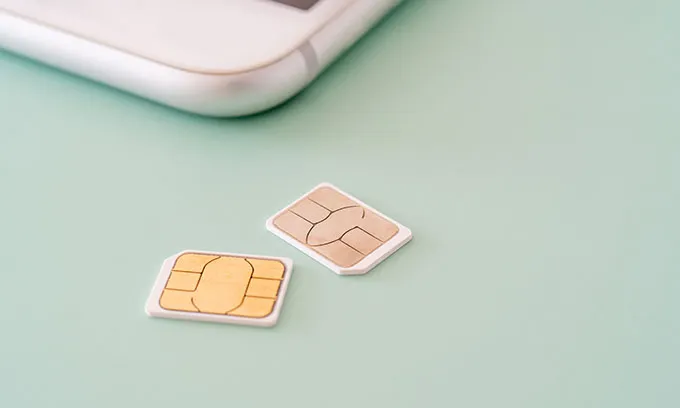
Prepaid is essentially a phone plan that you pay for in advance. These are typically available as SIM-only plans, where you will receive a SIM card only and phone number (but you can keep your current number if you prefer).
Most prepaid SIMs are pre-loaded with a certain amount of inclusions (calls, SMS and mobile data), so you just need to insert the card into your phone, activate and then you’re ready to start using your plan. You can also buy a prepaid SIM card on its own with no call, text or data inclusions, and then choose your preferred prepaid plan or recharge later when activating your SIM card.
Once you’ve set up your prepaid plan, you’ll have a set amount of calls, SMS and data included, which you can use over the course of your expiry period. An expiry period is how long you have to use your inclusions until you either recharge your plan or it automatically resets (if you have auto recharge set up). Providers typically offer prepaid plans over a range of expiry periods, including:
- Short term: Usually seven days, suitable as a temporary plan or for people visiting Australia.
- Monthly/28 or 30 days: Perhaps the most common and popular expiry period and suitable as a regular ongoing plan, however 28 and 30-day plans may need to be recharged 13 times per year (instead of 12).
- Long-expiry: Usually refers to plans longer than one month, which can include 90-day, 180-day/six-month and 365-day/12-month plans.
The amount of value on your plan will often determine what you pay for your plan. The cheapest prepaid mobile plans might be on a short-term expiry period, while the more expensive ones might be a 12-month/365-day plan. Most prepaid plans include unlimited standard national calls and SMS, while data inclusions can be as little as 5GB and as much as 100GB or more — and even unlimited data. Ultimately, whichever prepaid plan you sign up to will need to suit your needs and budget.
Pay-as-you-go (PAYG) phone plans
Pay-as-you-go (PAYG) plans, like prepaid plans, require you to pay for your plan upfront. However, PAYG is more like the traditional prepaid plan where your use is taken from your account balance and charged per minute, text or MB of data.
These plans aren’t as common as they once were and typically suit users with light usage needs — or just as a way to keep your phone number active — so you won’t have as many plans to choose from.
What are the best prepaid mobile plans?
Choosing the best prepaid mobile plan really depends on what you need from your plan, as well as your budget. While one person might prefer a set-and-forget long-expiry plan, someone else might want a monthly plan with a small data allowance.
There are many different telcos in Australia offering prepaid plans. The big three telcos — Telstra, Optus and Vodafone — all offer prepaid mobile plans in addition to a suite of other mobile phone plans, and also operate the three mobile networks across Australia.
Some smaller providers, known as Mobile Virtual Network Operators (MVNOs), typically focus on offering prepaid phone plans only, usually at more competitive prices. These smaller providers will deliver services using either the Telstra, Optus or Vodafone mobile network. Before you sign up to any provider, it’s a good idea to check mobile network maps to ensure you have coverage where you live and any places you frequently visit.
Smaller providers offering prepaid phone plans include:
- ALDI Mobile
- Amaysim
- Boost Mobile
- Everyday Mobile
- Felix
- Kogan Mobile
- OnePass Mobile
- TPG
Trying to find the best prepaid provider can be hard. If you’re curious about what other Aussies think of their prepaid provider and plan, Canstar surveys Australians with prepaid phone plans each year. We ask customers to rate their telco on criteria such as value for money, network coverage, customer service and ease of recharge and overall satisfaction, with the winning provider awarded the Most Satisfied Customers award for Prepaid Mobile SIM-Only.
What are the cheapest prepaid mobile plans?
Due to the nature of prepaid mobile plans, working out which plans are cheapest is a little complicated.
Typically the cheapest prepaid plans are the short term plans with a seven-day expiry. However, if you’re frequently recharging these plans over several months, the cost can be comparatively more expensive when compared to a monthly, 28-day or 30-day plan.
On the other end of the spectrum, long-term plans have a big upfront cost, but when you break down the monthly price, they may be comparatively cheaper each month.
Comparing plans with a monthly, 30 or 28 day expiry, here are some of the cheapest plans currently available on Canstar’s database:
- TeleChoice $17 - 28 Day plan: $17 per 28-day expiry with 6GB data
- Lebara Extra Small plan: $19.90 per 30-day expiry with 10GB data
- Lycamobile Unlimited 20 plan: $20 per 28-day expiry with 10GB data
- Kogan Mobile $20 Small plan: $20 per month expiry with 15GB data
- OnePass Mobile 15GB $20 plan: $20 per 28-day expiry with 15GB data
How to compare prepaid mobile plans
Comparing a range of plans and providers could help you find the best plan for your needs. However, you’ll need to consider a few things before signing up to a plan.
Plan length
Which plan expiry do you want? Do you prefer the ‘set and forget’ nature of a long-term plan or would you prefer to recharge each month or so? Consider what type of phone user you are and what’s going to suit you best.
Cost
How much your plan costs is likely to be one of the most important factors when choosing a prepaid plan, especially if you’re on a tighter budget. When you know what plan length suits you, you can then look at plan costs. Unfortunately picking a prepaid plan based on price alone isn’t that straightforward: the cheapest plans often have a short expiry. However, the most expensive plans can offer good value for money when breaking down the monthly cost — if you can afford the big upfront price.
Inclusions
When comparing plans, you’ll also want to look at what is included on the plan. Typically data will be the most important feature, however some plans might also include extras like data banking, 5G network coverage or even unlimited data. You might also want to keep an eye out for any special offers such as bonus data or discounts on plan fees, as some telcos run deals from time-to-time.
What special features and inclusions do prepaid mobile plans have?
Data rollover and data banking
Some providers will offer the option to roll over any unused data into the next expiry period — however this typically requires you to auto recharge or recharge your plan before expiry.
While some providers only let you roll over your unused data into the next recharge period, others will let you bank any unused data ongoing. This can either be an unlimited data bank or a capped amount, such as 200GB, 500GB or 1000GB. It’s worth noting that you won’t be able to tap into your data bank without using up your regular data allowance first for that recharge period.
Data banking can be useful if your data usage differs from month-to-month and you like having a bit of extra data up your sleeve.
Unlimited data or no excess data charges
Less common on prepaid plans compared to postpaid plans, some providers offer ‘unlimited’ data, often in the form of no excess data charges. This means that after you’ve used up your data allowance, you can keep using data but at a heavily capped speed.
Global roaming packs
Some prepaid providers allow you to add an international roaming pack to your plan. However these packs can be quite expensive over a long period and may be limited to certain locations.
Is a prepaid phone plan right for me?
Prepaid plans have their pros and cons. If you like to pre-pay for your plan and essentially ‘set and forget’, a prepaid plan might be right for you.
Lighter phone users, such as kids and seniors, might also find a prepaid plan suits their usage needs. For parents, a prepaid plan puts the responsibility on the child for managing data usage; otherwise, in most cases, they will be unable to use data until the plan is recharged or additional data is added on.
However, if you don’t want to be out of data if you happen to go over your allowance, you might prefer a postpaid plan for that security. Postpaid plans allow you to continue using data or other inclusions (depending on the plan) and pay the additional cost later.
While some prepaid phone plans may include extras like data banking, access to other features (such as good-value global roaming packs and uncapped 5G data speeds) may be limited to postpaid plans, which is especially the case for Telstra, Optus and Vodafone.
Ultimately you’ll need to consider whether a prepaid plan will work for you. These plans aren’t for everyone, but the good news is that cancelling a prepaid plan is usually quick, easy and without any exit fees, so you can always switch to another plan.

.webp?w=640)
.webp?w=640)