
How much does it cost to install Crimsafe?
The exact cost of installing Crimsafe products will vary depending on the provider you choose. As a guide, Crimsafe installation specialist Davcon Security Screens estimates that Crimsafe windows may set you back upwards of $550, Crimsafe doors may start from $1,600, and Crimsafe patio enclosures may come with a price tag upwards of $7,000 (depending on your patio’s size and shape). The price of installing Crimsafe may vary depending on:
- The dimensions of the door, window, or outside area
- Whether you need new door tracks
- Whether a new frame is needed for old or rotting doors or windows
- Whether scaffolding is needed to install high windows
Naturally, many of the same considerations would apply to the cost of security screens from another brand. Costs may also vary depending on the supplier and installer you choose. It’s a good idea to get a couple of quotes from different providers before committing.
General installation costs for security screens more broadly, according to trade services platform hipages, can set you back:
- $300 (plus GST) for a security window
- $445 for a barrier door
- $495 for a security door
- $795 for a stainless steel security door
- $1,095 for a cast panel security door
These prices usually include the cost of installation as well.
What is Crimsafe?
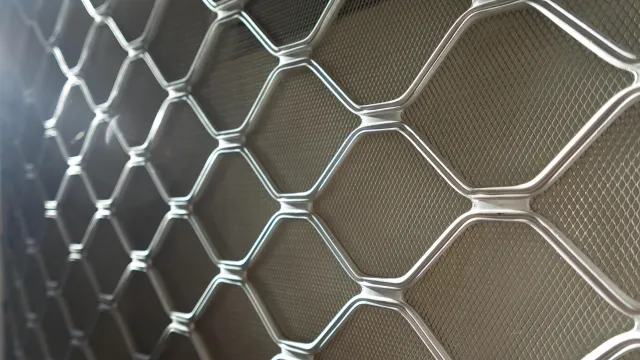
Crimsafe is an Australian company that produces security screens made from woven stainless steel mesh. This mesh is screwed into the frame and clamped down with a unique ScrewClamp system. Crimsafe states this helps make its screens durable and strong.
All Crimsafe products are custom-built, and there are several different businesses that can supply and install them across Australia.
What are the benefits of security screens?
The main purpose of security screens is typically to help keep intruders from entering your home. But security screens can have other possible benefits too. For example:
- They can act as a barrier against insects while allowing for ventilation and airflow throughout your home, like regular flyscreens do. This could potentially help you cut down on air conditioning costs. Some brands, including Crimsafe, claim their security screens also provide additional benefits, such as heat, UV, and cyclone protection.
- If you live in a bushfire-prone area, security screens may also offer some protection. For example, Crimsafe says its screens could possibly help prevent the spread of embers, as well as reducing the radiant heat of a fire.
Some insurers may also reduce the cost of your home and contents insurance premiums if you have certain safety and security measures in place. These can include security screens, alarms, extra locks, and lockable bolts on windows.
How to check if a security screen meets Australian standards
Security screens can be a big investment. So, when choosing one, it’s important to check that it passes relevant Australian Standards relating to its manufacture, installation, and performance.
The National Security Screen Association (NSSA) says security screens and grilles have to pass six key tests:
- The knife shear test, which simulates a knife attack on your security screen.
- The Impact Test, designed to simulate an intruder trying to kick their way through a security door or window.
- The jemmy test, which simulates an intruder using a lever to get past the security door or window.
- The pull test, which simulates an intruder trying to pull out a security screen.
- The probe test, which simulates an intruder, having created a gap, trying to get their hand inside to unlock a door or a window.
- The shear test, which simulates a cutting plier attack on a security screen.
Products can’t be sold as security screens in Australia unless they meet all six of these tests, according to the NSSA. This means all security screens sold by Crimsafe or any of its competitors should meet all of them.
What Crimsafe products are available?
Crimsafe screens are custom-built and can be made to fit doors, windows, or outdoor areas such as patio enclosures and pool fencing. Crimsafe states that its security screen doors can be built for:
- Hinged doors
- Sliding doors
- French doors
- Bi-fold doors
- Stacking doors
For windows, Crimsafe’s security screens can be made for:
- Fixed windows
- Hinged windows
- Sliding windows
- Safe-S-Cape (keyless window exits)
What are some other security screen options?
Crimsafe is just one of the many security screen producers in Australia you may consider. Some alternatives could work out cheaper, but keep in mind these other brands may not necessarily have the same features as Crimsafe. For example, they may be made using different grades of stainless steel mesh or be able to withstand different amounts of force.
Some other security screen manufacturers in Australia include:
- Amplimesh
- ClearShield
- ForceField
- Invisi-Gard
- Protec
- Prowler Proof
- ScreenGuard
- SecureView
- Starline Security
Before committing to a particular security screen company, it could be worth weighing up your options based on how its products compare in terms of protection, as well as cost. Additionally, make sure its products comply with the Australian Standards relating to security screens.
How can you pay for Crimsafe security screens?
How you choose to pay for the installation of security screens will depend on several factors, like how many doors or windows you’re having them installed on, the total cost of the work, when you need to pay for it, your personal circumstances, and what finance options you’re willing to consider.
Some options you may consider are:
- Using your savings: Paying for the installation out of your savings means you don’t have to take on debt and helps avoid paying interest or fees on that debt. If you can afford to do so, paying for the job out of your savings will generally save you money in the long run.
- Accessing money in your redraw facility or offset account: If you have these features as part of your home loan, you may consider redrawing additional payments you’ve made towards your loan or using the funds saved in your offset account. Consider the long-term impact this could have on your mortgage though, as paying for a job this way may increase the total amount you have to repay over time when interest is factored in.
- Take out a personal loan: Depending on your personal circumstances and the cost of the job, you may consider using a personal loan to fund the work. This could be a secured or unsecured loan, depending on the circumstances. It’s worth keeping in mind though, that interest rates are generally higher for personal loans than for home loans, and it’s a good idea to read the lender’s terms and conditions first.
- Paying with your credit card: It may also be possible, depending on the cost and your ability to repay the debt quickly, to pay for the job on a credit card. There could be some fringe benefits for doing so, such as extra insurance cover or purchase protection in some cases. Keep in mind that credit card interest rates are typically much higher than home or personal loans and interest can quickly accumulate on large balances. It’s a good idea to weigh up your options and consider them carefully. If you don’t think you’ll be able to pay off the card’s balance in full each month, it may be worth reconsidering whether a credit card is the right option.