



































.webp?w=384)






What is a green personal loan?
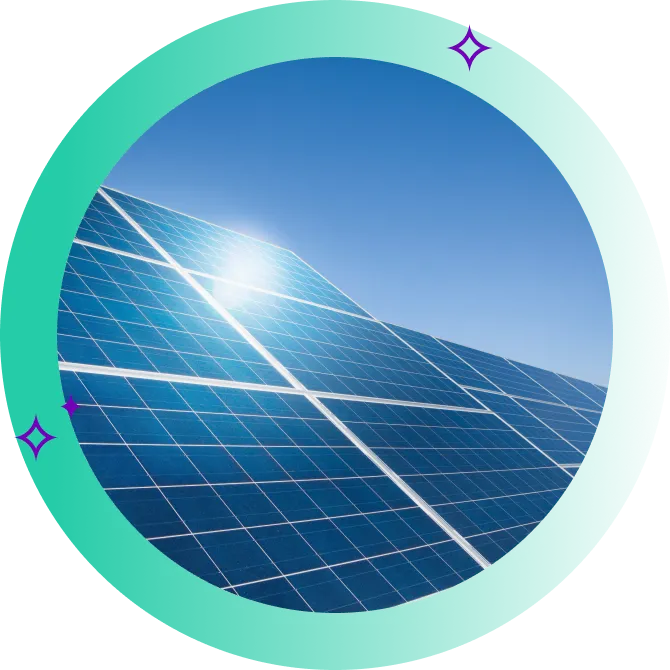
A green loan lets you borrow money to pay for environmentally friendly products or upgrades. Many lenders offer personal loans to purchase green products for your home, such as:
- Solar panels
- Batteries
- Electric vehicle (EV) charging stations
- Solar hot water pumps
- Heat pump hot water systems
These loans may be secured on unsecured. All green loans shown on the table above are unsecured. Unsecured loans don’t require an asset to be used as ‘security’, meaning the lender can’t repossess an asset if a borrower were to default on their loan.
You may also be able to get a green car loan to purchase a more environmentally friendly vehicle, such as an electric or hybrid car, or a green home loan for an eco-friendly home. These loans are generally secured using the vehicle being purchased.
How does a green personal loan work?
A green personal loan works similarly to other personal loans, the main difference being what the loan can be used to buy. Green loans also typically have more favourable interest rates and fewer fees than normal personal loans.
If your green loan application is successful, your lender will loan you an amount of money that you’ll repay over a set period of time (the ‘loan term’), plus interest charged at a fixed or variable rate.
Some green loans let you make extra repayments and pay off the debt earlier than the specified loan term. Paying your loan off sooner can help you save on interest, though some lenders charge fees for making extra payments or exiting a loan early.
Keep in mind that some lenders may want evidence–like a supplier quote or invoice–that the loaned funds will pay for a green product or service.
What can a green personal loan be used for?
You can use most green loans to purchase products that use less energy or water, shrink your reliance on the energy grid, or reduce pollution.
Some products that you may be able to purchase using a green loan include:
- Solar panels or battery systems
- Energy-efficient hot water systems
- ‘Green’ or eco-friendly vehicles
- Double glazing for windows or external awnings
- Water tanks
- Insulation
- Grey water treatment systems
- Energy-efficient appliances and white goods
- Energy-efficient electric heaters or air conditioners
Different lenders may have different ‘green’ standards. For example, the product may need to meet a particular energy efficiency rating. You may want to ask your preferred lender if the purchase you have in mind qualifies you for a green loan.
What are the pros and cons of using a green personal loan?
Like all financial products, green personal loans have their advantages and their drawbacks. Depending on your financial situation and personal goals, there may be other finance options that better suit your needs.
What are the pros of green personal loans?
- Can fund a positive change for the environment: A green loan could help you buy water tanks, solar panels, or home batteries to help support the environment, perhaps sooner than if you were to save and pay cash.
- Long term savings on bills: A green loan could help cover the cost of installing solar panels and batteries in your home, and these could see you saving on power bills, potentially helping to offset the loan’s costs.
- Lower interest rates: Many lenders offer discounted interest rates on green loans compared to standard personal loans, which can mean lower repayments.
Cons of green personal loans?
- Strict eligibility criteria: To qualify for a green loan, the item you plan to purchase must meet your lender’s specifications for energy output or efficiency.
- Affects your debt to income ratio: While it may not be an issue for all borrowers, if you’re considering applying for a home loan soon, lenders will consider your existing debts when calculating how much they’re willing to lend you.
- Borrowing can be more expensive in the long run: Paying off a loan, plus interest, over a term of several years could cost you much more than if you’d initially paid cash.
How do I compare green personal loans?
When comparing green loans, it’s important to know that they’re suitable for your project and match your unique financial needs. You may want to think about:
- What are the loan’s requirements? Your green purchase might need to meet the lender’s criteria.
- Is the interest rate fixed or variable? A fixed interest rate will remain the same for simpler budgeting, while a variable one can rise or fall, but could let you enjoy extra flexibility.
- Is the loan secured or unsecured? A secured loan is guaranteed by the value of an asset (such as a hybrid or EV you buy with a secured green car loan), which the lender could repossess if you don’t make your repayments. An unsecured loan does not require an asset as collateral, though a lender can still take you to court if you default.
- What is the interest rate? Interest rates can vary and depend on a wide range of factors, including your credit score, what you’re using the loan for, how much you’re borrowing, and more.
- What are the fees and charges? Like other loans, green personal loans can come with a variety of fees and charges, such as application fees, monthly or annual fees, missed payment fees, and early payment fees.
- What’s the comparison rate? A loan’s comparison rate gives you an idea of its total cost per year, combining both its interest rate and standard fees and charges.
- How long is the loan term? The term is the time you have to pay off a loan. A longer loan term can mean lower monthly repayments but more interest in total, while a shorter term costs more month-to-month but you pay less interest overall.
- Is there flexibility around additional repayments? Paying above and beyond what is owed each month and making lump sum payments can help you save on interest, though some lenders may charge additional fees for this feature.
How to apply for a green personal loan
When you apply for any personal loan, the lender will consider a range of factors relating to your financial position, including your credit score, to make sure you can afford the repayments, as part of its responsible lending obligations.
You will generally need to provide:
- ID documents such as a driver’s licence or passport to prove that you are aged over 18 and an Australian resident.
- Proof of income, typically payslips or tax returns.
- Your employment details for the past three years.
- Proof of savings, such as bank statements, to demonstrate how you manage your finances.
- Details of any assets you own, such as cars and property.
- Details of any debts you may have, like other personal loans or home loans, credit card debts, and credit limits, even outstanding buy now pay later (BNPL) balances.
- Details of your general living expenses, including groceries, utilities, streaming services, rent, medical and transport costs, and school fees.
For green loans specifically, your lender will want to confirm that the item or project you’re paying for meets the loan’s green eligibility criteria. This can be as simple as telling your lender about your planned purchase or handing over a quote for any green home improvements. Some lenders may require green products or services to come from an approved seller or installer in order to meet the loan’s eligibility criteria.


%20(2).webp?w=640)
%20(1).webp?w=640)
.webp?w=640)